
In a world of constant content, Zendaya chose a different path. We're breaking down her masterclass in career curation, proving that quality over quantity is the ultimate power move.
In an age where fame often demands a constant, 24/7 firehose of content, Zendaya is playing a different game entirely. While the algorithm begs for more, she delivers less—and makes it count more. It’s a quiet rebellion against the attention economy, a masterclass in making scarcity the ultimate status symbol. Instead of flooding the zone, she cultivates it, proving that the most powerful move is knowing when to stay silent.
This isn’t the old Hollywood playbook, and it’s certainly not the one written for Disney kids. But then again, Zendaya has been rewriting the rules for a while. From her start on the Disney Channel to her Emmy-winning, culture-defining turn in Euphoria, she’s meticulously navigated a path from teen star to one of the most respected actors of her generation. Now, in what we can call her post-Euphoria era, she’s consolidating that power, not by being everywhere, but by being exactly where it matters.
The Art of the Curated 'No'
Let’s be real: for a star of her magnitude, the offers must be endless. Franchise bait, rom-com leads, TV shows promising colossal paychecks. The traditional route for a young A-lister is to say "yes" as much as possible, to saturate the market and ensure they're never forgotten. It’s a strategy built on fear—the fear of becoming irrelevant.
Zendaya seems to operate from a place of confidence, not fear. Her filmography reads less like a busy schedule and more like a carefully curated gallery exhibition. Each role is chosen with purpose, a deliberate piece added to a larger artistic statement. There are no throwaway projects, no quick cash-ins. This "quality over quantity" approach creates a palpable sense of anticipation for her every move.
For a generation that has grown up curating their own digital lives—from the perfect photo dump to the niche playlist—her strategy makes perfect sense. It reflects a modern understanding of brand and identity. In a world of endless noise, a clear, well-defined signal is what cuts through. Zendaya isn't just an actress; she's the ultimate curator of her own career, and we're all paying attention because it's just that good.
An Auteur's Best Friend
Look at the names: Sam Levinson. Denis Villeneuve. Luca Guadagnino. This isn't just a list of recent collaborators; it’s a who's who of modern auteurs, filmmakers known for their distinct vision and challenging material. Aligning herself with them isn't an accident; it’s a clear statement of intent. She’s not looking for a role; she’s looking for a vision she can help bring to life.
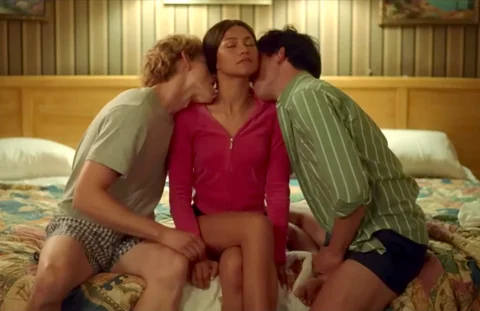
With Villeneuve, she stepped into the epic, sand-swept world of Dune, holding her own in a sprawling sci-fi masterpiece. With Guadagnino in Challengers, she dove into a complex, messy, and thrillingly adult story about ambition and desire. These aren’t simple, straightforward parts. They require grit, nuance, and a willingness to be pushed. She’s actively seeking out the directors who will demand the most from her, and the results speak for themselves.
This strategy ensures her filmography will stand the test of time. While other careers are built on fleeting trends, hers is being built on a foundation of cinematic credibility. She’s playing the long game, building a legacy one visionary director at a time. It’s a move that prioritizes art over commerce, even while she manages to achieve incredible commercial success.
The Executive Producer of an Image
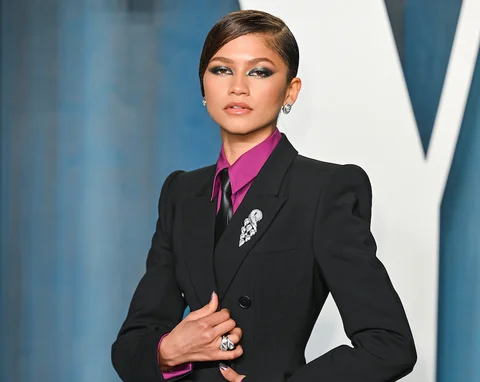
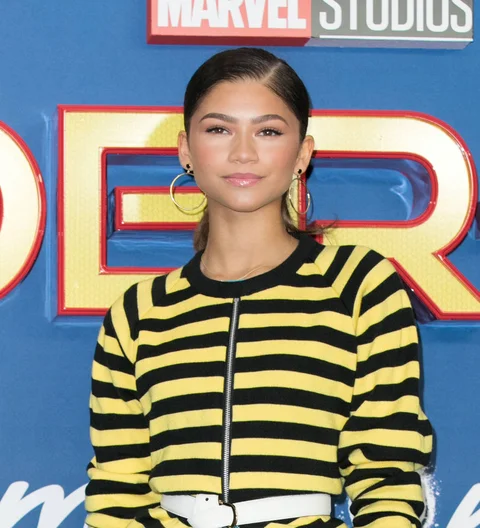
Zendaya’s masterful career control extends far beyond the film set. Every public appearance is an extension of the work, a piece of performance art in itself. The red carpet isn’t just a gauntlet of photographers; it’s a canvas. Her fashion choices, often in collaboration with stylist Law Roach, are never random. They are studied, thematic, and tell a story that amplifies whatever project she’s promoting.
Think of the arachnid-inspired gowns for Spider-Man, the otherworldly armor for Dune, or the sharp, athletic tennis-core aesthetics for Challengers. It’s a level of narrative integration that turns a press tour into a cultural event. She doesn't just show up; she makes an entrance that generates its own headlines, dominating the conversation on her own terms. It’s brilliant, it’s effective, and it’s completely under her control.
That control extends to her social media, where she has millions of followers but posts with the scarcity of a prestige indie film release. She shares what is necessary, celebrates her work, and then retreats, maintaining an aura of mystique that is almost impossible to achieve today. She’s the CEO, creative director, and star of Zendaya Inc., and business is booming because the brand is impeccable.
In the end, the Zendaya playbook might be the most influential thing she produces. She's showing a new generation of talent that you don't have to follow the old map to get to the top. You can say no. You can be selective. You can build a career with the precision of an architect and the soul of an artist. It’s not just about becoming a superstar; it’s about redefining what a superstar can be.
On This Topic