
We are conditioned early on to believe that being rejected means we aren’t good or deserving enough. So, naturally, we avoid it at all costs. This makes us hesitate pursuing our dreams. We end up shrinking our requests, softening our ambitions, and sheltering ourselves from the discomfort of hearing "no", whether subconsciously or not.
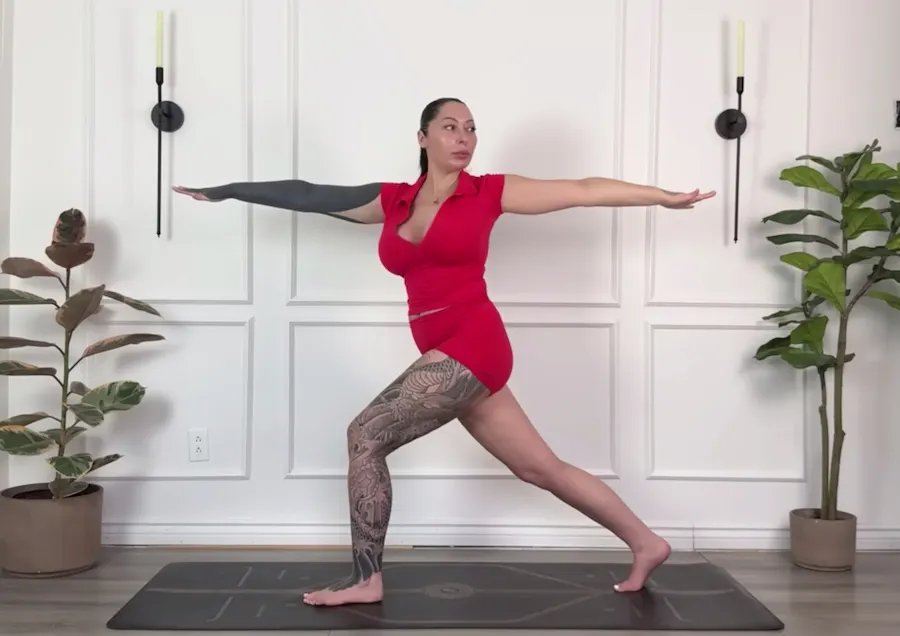
Gabriella Carr recently went viral on TikTok after sharing some results from her goal of collecting 1,000 rejections in 2025. Rather than only applying for opportunities she felt confident about, Carr intentionally put herself in situations where rejection was likely. She auditioned for roles she never thought she’d land, applied for things she assumed were out of reach (including a Dutch passport!), and asked questions she expected would be met with a no. Throughout the year, she found that seeking rejection led her to accomplish things she never thought she would achieve, including a pageant title and brand partnerships.
@gracefullygabbie 70/1000 nos? you should joined me in 2026:) • #rejectiontherapy#chasingdreams#1000nos#rejectionisredirection#actingjourney♬original sound - Gabriella Carr
Carr is not the only content creator advocating for seeking rejection. If you search it on YouTube, TikTok, or Instagram, you will come across hundreds of creators who pursue the same mission. Some may focus on connecting with strangers and others on professional achievements, but both have the same objective: to overcome their fear of rejection.
This idea is often referred to as "rejection therapy", a type of exposure therapy that specifically encourages people to intentionally place themselves in situations where rejection is possible to desensitize themselves to it. It’s not about humiliation or self-punishment; it’s about building resilience. By repeatedly experiencing rejection in low-stakes and intentional ways, people begin to separate their sense of self-worth from external validation, in turn making it less emotionally painful to process meaningful rejection (such as job loss or getting broken up with). Rejection therapy helps people work on how much they believe in themselves.
In a digital culture where success often seems effortless, rejection therapy is more relevant than ever. Social media rarely shows the hundreds of unanswered cold emails behind a single yes, or the dozens of auditions that never led to a callback before a breakthrough. We often compare our daily struggles to other people’s highlight reels. Deliberately seeking rejection flips that narrative by reminding us that being turned down is both normal and, most importantly, necessary for improvement. It’s an act of active participation in your own growth.
Rejection therapy is also helpful to clarify your life goals and ambitions. When you put yourself out there, you learn what excites and what scares you, and what you deem matters enough to risk embarrassment for. Over time, rejection loses its emotional sting. Of course, seeking rejection doesn’t mean ignoring rest or pushing yourself to the point of exhaustion, nor is it about hustling harder or proving your worth through suffering. It’s about expanding what feels possible. It’s realizing that you can survive a "no" and it would not define you.
Carr’s story shows us that, sometimes, the most meaningful changes come from asking for the thing you’re almost certain you won’t get. In a culture that teaches us to fear rejection, choosing it can be life-changing. Sometimes the biggest win isn’t being accepted, it's knowing that rejection won’t stop you from showing up again. Try getting rejected today -- who know, you might become a Dutch citizen!
On This Topic