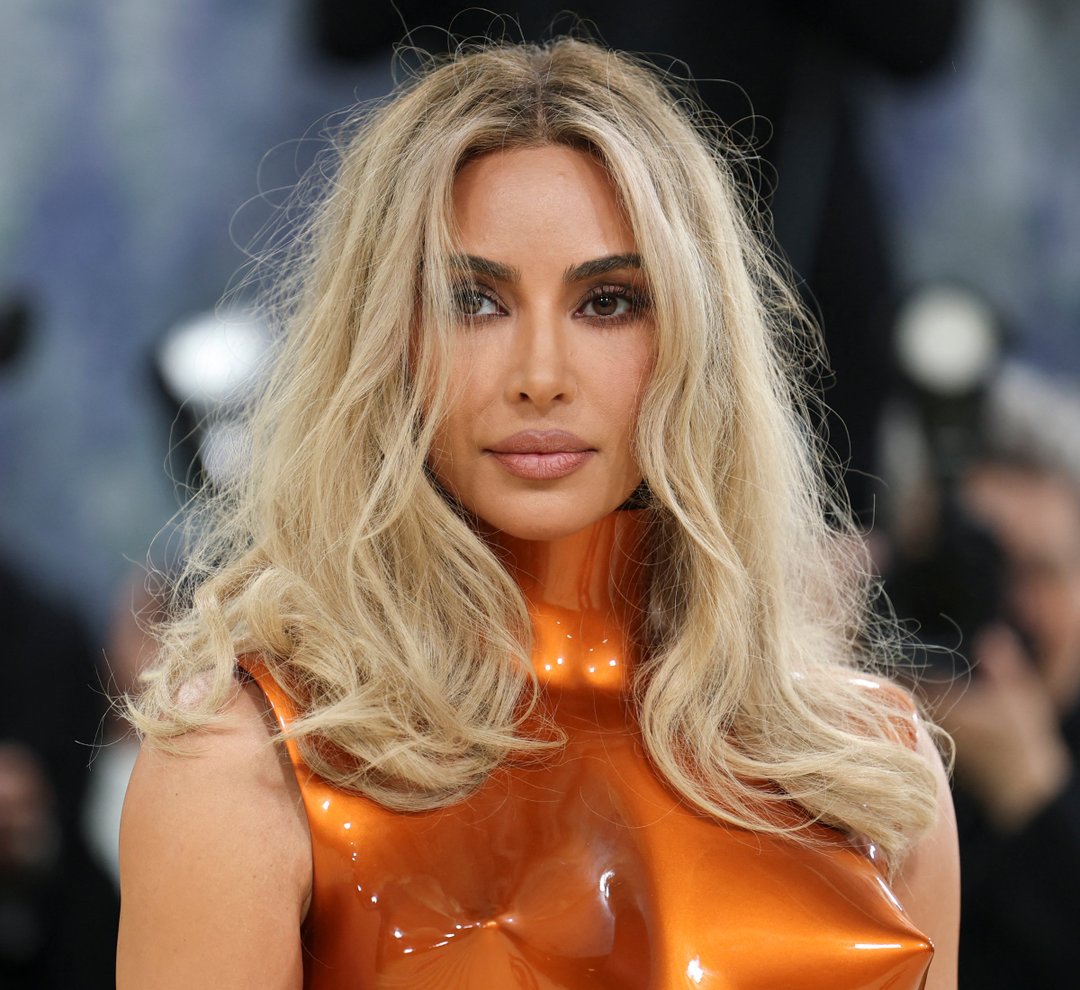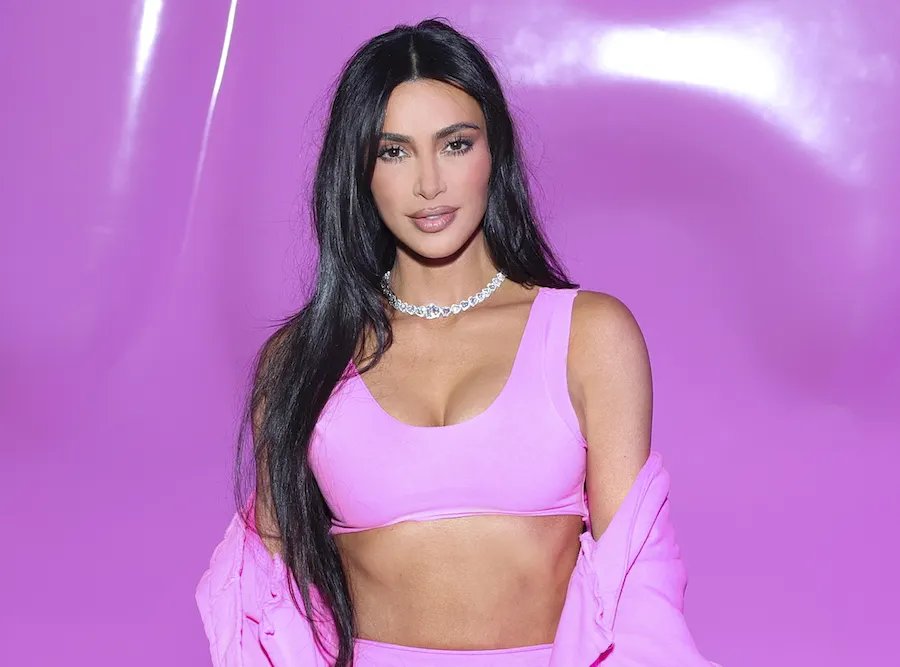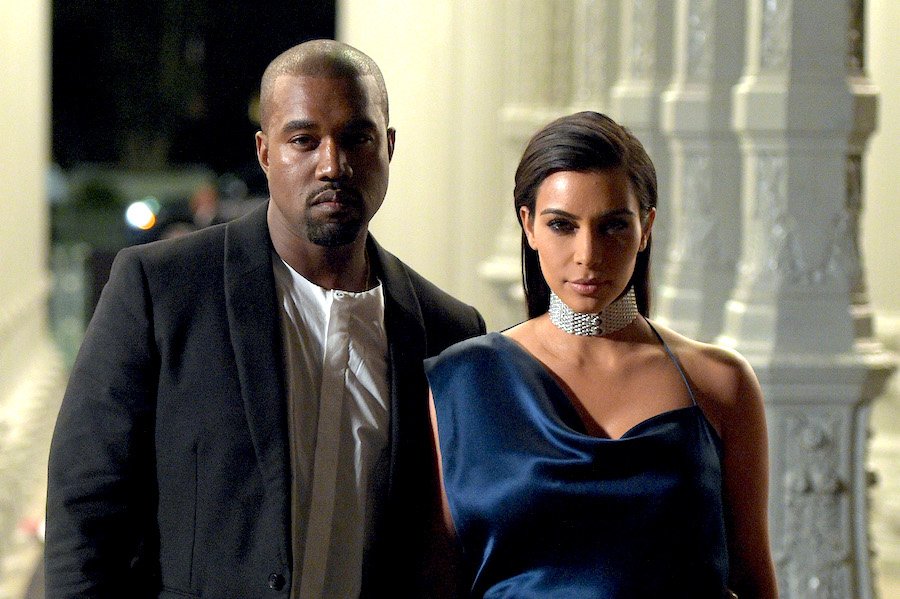

She turned reality TV and social media into a self-sustaining empire. We break down the architectural genius of Kim Kardashian's personal brand and why it's still the blueprint.
Long before ‘influencer’ was a career path you could explain to your parents, there was Kim Kardashian.
It’s easy to take her omnipresence for granted, but to do so is to miss the point entirely. Her fame wasn’t a lucky accident; it was an act of architectural genius. Over the last two decades, she has constructed one of the most durable and intricate personal brands in modern history, creating a self-sustaining ecosystem where every single component—television, social media, fashion, and business—feeds directly back into the whole. It’s a blueprint the rest of the creator economy is still trying to perfect.
The Content-to-Commerce Pipeline
The foundation, of course, was television. But to call Keeping Up With the Kardashians just a reality show is a massive understatement. It was a long-form advertisement for a lifestyle, a perpetual content engine, and a weekly character study that built a powerful parasocial bond with millions. The show established the family's core brand identity: aspirational yet accessible, dramatic yet devoted. It created the narrative.
While the show provided the story, social media gave her direct control over it. As platforms like Twitter and Instagram emerged, Kim became a master of the medium. She didn’t need to wait for a magazine cover to debut a new look or a press tour to talk about her life. She could speak directly to her audience, sharing curated glimpses that felt both polished and personal. This direct line wasn't just for sharing selfies; it was for market research, community building, and, most importantly, closing the loop between a follower’s interest and a potential sale.
Building Verticals on a Personal Brand
With the narrative machinery in place, the next step was monetization, and this is where the architectural brilliance truly shines. Her business ventures have never been random celebrity endorsements. Instead, each launch has been a logical, strategic extension of the very brand she meticulously crafted. Her public image has always been tied to a specific look, from her makeup to her fashion choices. So, launching a beauty and fragrance line was a no-brainer. She wasn't just selling a product; she was selling a piece of her identity.
This pattern is undeniable. Her influence on body image and silhouette directly paved the way for a shapewear and loungewear company that felt more like a cultural statement than just another apparel brand. Each venture solves a problem that her own brand narrative created. The TV show and social media create the desire for the “Kim K look,” and her businesses provide the official tools to achieve it. It's a flawless, closed-loop system where she controls the supply and the demand.
This vertical integration is key. She isn't just putting her name on a product. She is the muse, the model, the marketer, and the mogul. Every Instagram post showcasing a product isn't an ad in the traditional sense; it's a seamless continuation of the personal story her audience has been following for years.
The Blueprint for a Generation
Look around at the current influencer landscape and you'll see the Kardashian model everywhere. The most successful creators today are not just content specialists; they are multi-hyphenate brand architects. A TikTok star doesn’t just make 60-second videos; they host a podcast, launch a merchandise line, and collaborate with major brands in a way that feels native to their personal story.
The expectation now is that if you build a large enough audience, you must convert that attention into an enterprise. From YouTubers launching coffee brands to gamers creating their own talent agencies, the playbook is clear: establish a strong personal narrative, build a direct line to your community via social platforms, and then launch businesses that are authentic extensions of your core identity.
They are all, in their own way, building their own mini-Kardashian ecosystems. The scale might be different, but the strategy is identical. Kim Kardashian professionalized being yourself, turning personal identity into a scalable, vertically integrated business model.
Whether you're a devoted fan or a casual observer, the legacy is undeniable. She didn't just find fame; she engineered a new version of it, one where the person is the brand, the brand is the business, and the audience is the most valuable asset. The influencer economy wasn't just born on the internet; it was designed in Calabasas.
On This Topic