


Gen Z grew up with infinite content at their fingertips, so why are they seeking out relics of the past? We explore the comeback of physical media and the joy of ownership.
In a world where every song, movie, and TV show is supposedly a click away, a strange and wonderful thing is happening. The generation that grew up with the promise of a limitless digital library is looking at its streaming queues and asking: is this all there is?
The answer, it seems, is found not in better Wi-Fi, but in basements, thrift stores, and on Depop. We’re in the middle of a full-blown physical media revival, and Gen Z is leading the charge. Forget the pristine convenience of the cloud; the cool kids are logging off and plugging in. They’re buying Blu-rays, digging out their parents’ CD players, and hunting down vintage iPods and MiniDV camcorders like they’re buried treasure. This isn’t just nostalgia for a time they barely remember; it’s a conscious movement towards ownership, texture, and a more intentional relationship with the art they love.
The Joy of a Trophy Shelf
Let’s be real: your Netflix watchlist isn’t a personality. A Spotify playlist, while great, can feel impersonal, often shaped by algorithms designed to predict your taste rather than reflect it. A physical collection, on the other hand, is a statement. It’s a curated gallery of you. Having the A24 collector’s edition Blu-ray of Everything Everywhere All At Once on your shelf says more than just having seen the movie; it says you get it. It’s a piece of art you choose to live with.
This movement is a direct reaction to the flimsy nature of streaming. We’ve all felt the sting of a favorite movie or show disappearing from a service overnight with no warning. Physical media offers a powerful antidote: permanence. That DVD isn't going anywhere unless you lend it to a friend (a vintage ritual in itself). It can't be edited, censored, or removed by a corporate decision. In an uncertain digital landscape, owning a hard copy is an act of defiance. It’s a way of saying, “This matters to me, and no algorithm can take it away.”
Seeking a High-Texture Vibe
Beyond ownership, this trend is about feeling. It’s about engaging more than just your eyes and ears. Think about the ritual of putting on a CD: un-sheathing the disc, snapping it into the player, and flipping through the liner notes—a lost art form filled with lyrics, photos, and thank-yous. It’s a multi-sensory experience that a simple tap on a screen can’t replicate. It forces you to be present and to appreciate the album as a complete work.
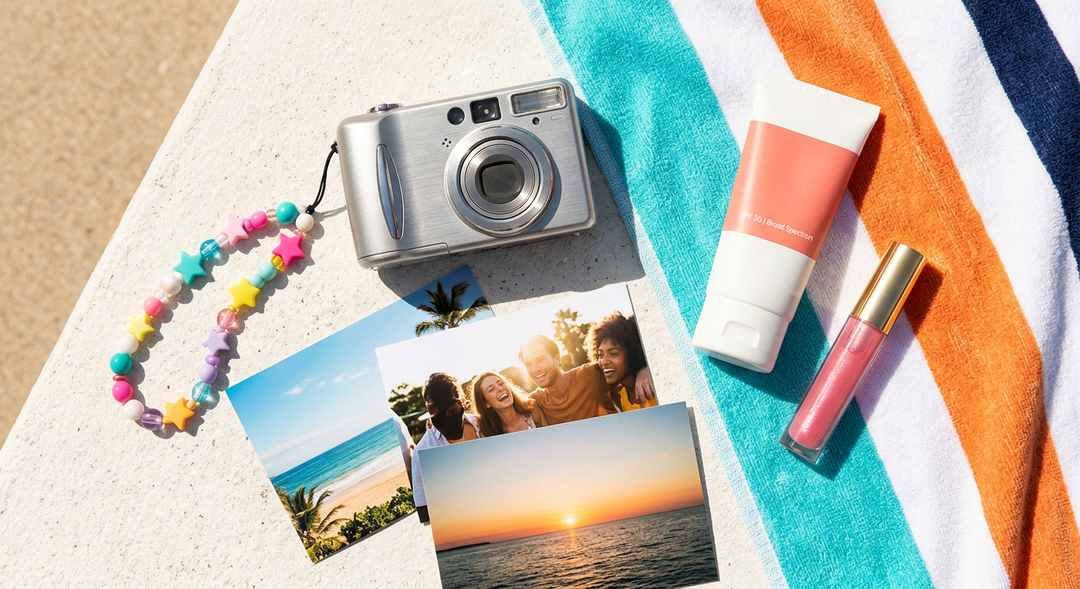
This desire for texture extends to visual media, too. The viral popularity of MiniDV camcorders from the early 2000s isn't about capturing the highest-resolution image. It’s about capturing a mood. The slightly grainy, imperfect footage has a warmth and authenticity that a sterile 4K smartphone video often lacks. It feels personal, immediate, and real. It’s the visual equivalent of a vinyl record’s crackle—a charming imperfection that reminds you a human hand was involved.
This aesthetic choice is about rejecting the flawless, glossy perfection of modern tech for something with more soul. It’s a vibe—one that feels more like a memory and less like a data file.
The Art of the Analog Curato
The hunt is part of the fun. Scouring eBay or Depop for a classic iPod isn’t just about acquiring a retro music player; it’s about the thrill of discovery and the process of building something uniquely yours. Loading up an iPod Nano with carefully chosen mp3s is an act of curation that feels far more significant than just “liking” a thousand songs on a streaming platform. You have limited space, so every track counts. Your collection becomes a time capsule of your taste, not a sprawling, unmanageable database.
This deliberate curation is popping up everywhere. DVD and Blu-ray collections are being shown off on TikTok as badges of honor, proof of a person’s deep-cut cinematic knowledge. A well-organized CD tower is no longer a relic; it’s an installation piece. It fosters conversation and connection in a way a shared link just can’t.
It proves that in a world of endless choice, what we truly crave is the ability to make meaningful choices. By limiting options to what you can hold in your hand, you actually expand the value of each individual item.
So, the next time you see someone popping a disc into a player or scrolling through a click-wheel iPod, don’t dismiss it as a quirky throwback. It’s the forefront of a new-old movement—a generation choosing to build their own tangible, permanent, and endlessly cool cultural worlds, one disc at a time.
On This Topic
UP NEXT TO READ


SHOP THE STORY