


In a world of digital noise, the biggest flex is silence. We're exploring how the 'soft launch' went from a dating term to a full-blown economic strategy.
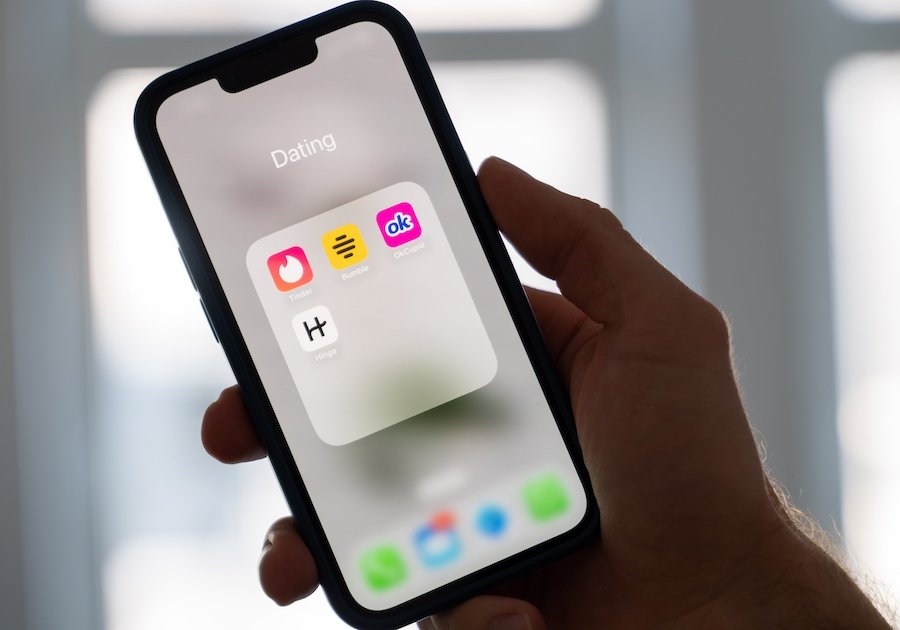
The picture is always a little blurry, isn’t it? The corner of a dinner table set for two, a man’s arm with a distinctive watch, a new logo peeking out from behind a plant. This isn’t just about teasing a new relationship anymore. This is the soft-launch economy, and it has officially become the dominant playbook for anyone with something to announce.
What started as a sly way to hint at a new partner on your private Instagram has scaled up into a full-blown marketing philosophy. From musicians to entrepreneurs, the cool kids have collectively decided that the best way to get attention is to pretend you don’t want it. In the age of oversharing, mystery has become the ultimate currency.
The Quiet Revolt Against Hype
Let’s be real: we all got tired of being yelled at. The 2010s were defined by a culture of digital screaming—all-caps announcements, countdown clocks for minor events, and influencers begging you to ‘smash that like button.’ It was effective for a while, but it was also exhausting. The soft launch is the pendulum swinging back in the other direction. It is a quiet, confident, and frankly, more sophisticated strategy.
Instead of shouting from the rooftops, the soft launch whispers in your ear. It makes the audience feel like they’re an insider, a detective who has cleverly pieced together the clues. It replaces the desperate plea for attention with an alluring invitation to pay attention. This isn’t a lack of a marketing plan; this is the marketing plan. By creating a vacuum of information, it lets the audience’s curiosity rush in to fill the void, generating organic buzz that a million-dollar ad campaign could only dream of.
From Relationship Status to Revenue Stream
The brilliant scalability of the soft launch is what makes it so powerful. The same technique used to float the idea of a new romance is now being used by major artists to signal a new album era. Think of a pop star who suddenly clears their Instagram feed and posts a single, cryptic image. Before they’ve even said a word, the fandom is mobilized, decoding the symbol and building hype on the artist’s behalf.
The same goes for business. A creator known for beauty tutorials might start featuring un-labeled products in their videos, letting speculation mount for weeks. By the time they announce their own cosmetics line, the demand is already white-hot. They haven’t spent a dime on traditional advertising, but they have successfully made their audience feel like co-conspirators in the launch. It’s a masterclass in building a community that feels personally invested in your success.
The Interactive Power of the Easter Egg
The soft launch gamifies the announcement. It’s not a passive experience; it’s an interactive scavenger hunt. Every post is a potential clue. A specific color palette that appears repeatedly, a recurring emoji, a geotag for a recording studio—these breadcrumbs turn followers into active participants. The comment sections and fan forums light up with theories, building a narrative that is far stickier than a simple press release.
This strategy understands a fundamental truth about Gen Z: they don’t want to be sold to, but they love to solve a puzzle. When the final reveal happens, it’s not a surprise but a confirmation. It’s the satisfying click of the last puzzle piece falling into place. That sense of collective discovery creates a much stronger emotional bond between the creator and the audience than a top-down announcement ever could.
The payoff is a sense of earned knowledge, which fosters a deeper loyalty. Fans who feel they 'figured it out' are more likely to champion the project when it finally drops. They were part of the journey, not just spectators at the finish line.
Scarcity: The New Digital Flex
In a digital world where every thought, meal, and moment is documented, the most valuable commodity is what you choose to hold back. Withholding information is a power move. A soft launch signals that the product, the project, or the news is so inherently good that it doesn't need to scream for validation. Its value is self-evident, and it will attract the right people in due time.
This is the essence of making scarcity a status symbol. It’s the digital equivalent of a speakeasy with an unmarked door—the allure is in its exclusivity and the implied quality within. It communicates confidence. Loud, desperate marketing can often read as a sign of insecurity, a fear that without the noise, no one will care. The soft launch projects the opposite: an effortless cool that is magnetic.
This isn't just a trend; it's a savvy adaptation to a world drowning in content. The soft launch proves that in 2024 and beyond, the most powerful way to command a room is to be the quietest person in it. Get ready to lean in, because the biggest announcements are now the ones you have to listen closely for.
On This Topic
UP NEXT TO READ


SHOP THE STORY