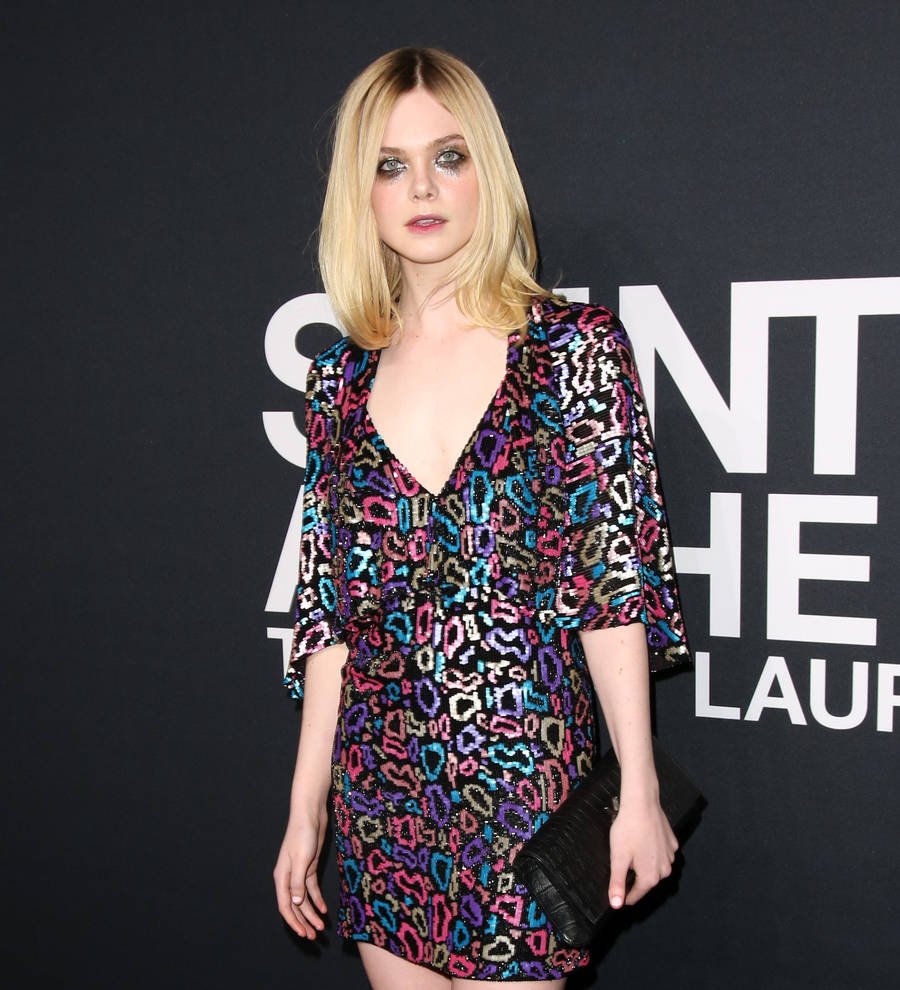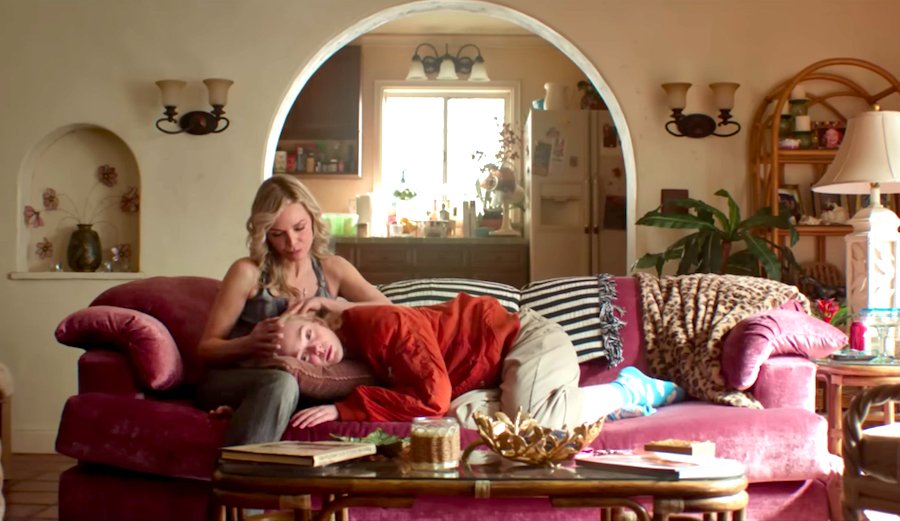

Elle Fanning basically grew up on our screens, but she flipped the script, trading a conventional path for a career built on texture, risk, and glorious artistic weirdness.
Let’s be real: the path for a child actor is notoriously treacherous. It’s a landscape littered with stories of burnout, typecasting, and fading relevance. And then there is Elle Fanning, an actress who has been in the public eye since she was a toddler, yet has somehow emerged not just unscathed, but as one of the most interesting, artistically nimble performers of her generation. She didn’t have a dramatic, loud rebellion; instead, she quietly curated a career that is a masterclass in playing the long game.
Instead of chasing blockbuster franchises or social media dominance, Fanning has consistently prioritized a different kind of currency: texture. Her filmography reads like an art history syllabus of modern auteur cinema, a collection of choices that value a director's distinct vision and a role's complexity over its potential box office. It's a career built on substance, not sizzle, and it has allowed her to evolve from a luminous screen presence into a genuine creative force.
From Ethereal to Electric
For years, Elle Fanning’s on-screen signature was an almost otherworldly glow. In her early work with visionary directors, she perfected the art of the ethereal ingenue. She could convey volumes with a wistful glance, her performances often feeling less like acting and more like capturing a fleeting dream. She wasn't just playing a character; she was embodying a mood—innocence, curiosity, a certain kind of Californian melancholia. It was a powerful niche that established her as a serious talent, someone who could anchor a film with a quiet, magnetic pull.
This phase was crucial. It proved she had dramatic chops and a unique screen presence that set her apart. But for an actress with her ambition and range, being the queen of dream-pop cinema was never going to be the final destination. The real magic happened when she started to systematically dismantle that very image, choosing roles that were spiky, uncomfortable, and unapologetically strange. She began to trade the soft glow for a neon flicker.
A Royal Ascension
And then came the huzzah heard ‘round the world. Her role as Catherine the Great in the genre-bending series The Great was not just a great performance; it was a declaration. Any lingering notions of Fanning as a delicate, passive porcelain doll were immediately and hilariously shattered. As Catherine, she is a tornado of ambition, wit, and sublime comedic timing. She is lustful, calculating, naive, and brilliant, often all within the same scene. The role requires her to swing from slapstick comedy to heartbreaking gravitas, and she navigates it all with breathtaking confidence.
The Great showcased a side of Fanning that had been bubbling under the surface: she is deeply, profoundly funny. It’s not just about delivering a punchline; it’s a full-body commitment to the absurdity of her character and the world she inhabits. It also marked her arrival as a leading lady in the truest sense, carrying a massive, elaborate production on her shoulders. Her work on the show is a testament to her intelligence as a performer, finding the humanity and humor in a historical figure often portrayed as a stuffy icon.
The Architect Behind the Art
Perhaps the most telling evolution in Elle Fanning’s career is her move behind the camera as an executive producer on projects like The Great. This isn't just about a vanity credit. It signals a deeper investment in the stories she tells and a desire to be part of the creative process from its inception. It's a power move that speaks to her understanding of the industry and her own place within it.
By taking on a producer role, she is no longer just a piece in a director’s puzzle; she is one of the architects. This level of involvement is a through-line in her work. She has spoken about the collaborative nature of her favorite sets, emphasizing her love for working with directors who have a singular, uncompromising vision. She's not looking for an easy job; she's looking for a challenge, an education, and a partner in crime. It’s a philosophy that has yielded a body of work that is eclectic, daring, and entirely her own.
Elle Fanning managed to do what so few can: she grew up. Not just on screen, but as an artist. Her career is a blueprint for how to build something lasting in a culture obsessed with the new and the noisy. She chose the quiet path of artistic integrity, and the result is anything but.
On This Topic