
From pitch-side streetwear to pristine Savile Row tailoring, David Beckham set the standard for modern sports fashion across three decades.
David Beckham stepped into the global spotlight as a teenage midfield phenom for Manchester United in the early 1990s, but his impact stretched far beyond the pitch the moment he rejected the conventional athlete uniform. Long before tunnel fashion became mandatory viewing across major sports leagues, Beckham treated departures, award shows, and training arrivals as deliberate opportunities to experiment with menswear.
His willingness to embrace bold shapes, unexpected fabrics, and headline-making grooming choices changed how modern athletes present themselves to the public. Young Hollywood has documented that progression across more than 300 stories published since 2009, charting his path from pitch general to international menswear authority. Watch our full sit-down with David Beckham below.
Manchester Roots and Daring Streetwear Foundations
During his formative years in England, Beckham broke away from the standard tracksuit mold by embracing the high-energy fashion movements of late-1990s London. He became an early adopter of directional streetwear, stepping out in oversized leather outerwear, heavy combat trousers, and drop-shoulder knits that ran completely counter to conservative sporting traditions.
His grooming choices from this period were just as impactful as his clothes. Every haircut he debuted—from the bleached buzzcut and the sharp mohawk to the alice band headband—instantly dominated barbershop requests across the globe. By treating his personal image as an evolving canvas rather than a fixed commercial identity, he normalized radical visual experimentation for male sports figures.
The public often scrutinized these choices in real time, yet Beckham never pulled back. He paired sharp leather jackets with distressed Japanese denim and workwear boots, establishing a rugged, tactile aesthetic that felt personal, unforced, and entirely separate from the corporate branding of European club football.
The Los Angeles Move and Polished California Casual
Signing with the LA Galaxy in 2007 signaled a noticeable shift toward streamlined, sun-drenched minimalism. Living in Southern California pushed his wardrobe toward understated luxury, trading heavy British outerwear for fitted tees, unbuttoned chambray shirts, and slim raw denim paired with hand-finished suede Chelsea boots.
He mastered the art of high-low dressing during this chapter, frequently pairing vintage motorcycle jackets and flat caps with pristine cashmere cardigans. His off-duty appearances around Los Angeles made utility-focused menswear look effortless, proving that clean lines and precise tailoring could elevate simple everyday basics into standout looks.
This phase also marked a turn toward classic heritage brands and refined leather goods. Beckham embraced fitted Harrington jackets, structured trench coats, and rugged biker outerwear, creating a recognizable personal uniform that balanced European sophistication with relaxed West Coast functionality.
Executive Tailoring and Pitch-Side Precision in Miami
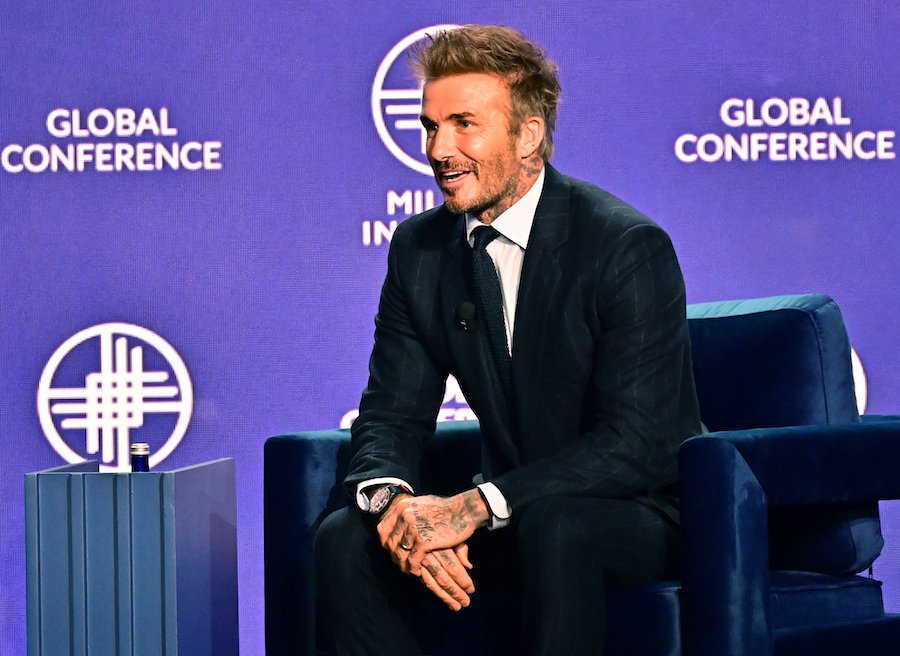
Stepping into his role as co-owner of Inter Miami CF brought about his most tailored wardrobe phase yet. Sideline appearances and stadium suites now showcase Beckham in bespoke double-breasted suits, cut close to the body with generous peak lapels, high-rise trousers, and meticulously tied knit neckwear.
Rather than sticking to standard black or charcoal options, he favors rich earth tones, navy hopsack wool, soft sage, and textured linens suited for the Florida humidity. These choices reflect a seasoned approach to formalwear that values texture and proportion over flashy branding, setting a sharp standard for executive style in modern sports.
Even on casual matchdays, his approach remains deliberate. Crisp polo shirts, pleated chinos, and custom loafers replace tracksuits, underscoring how his style maturity aligns with his transition from elite athlete to global club owner.
Through three decades of constant visibility, David Beckham turned personal style into an enduring calling card. By consistently taking wardrobe risks and refining his tastes over time, he built a visual legacy that continues to influence how players and fans approach modern menswear today.
On This Topic