How Ariana Grande Mastered the Art of Spectacle
From Broadway to pop domination and back again, she keeps turning elite technical skill into pure entertainment.

Ariana Grande has always been more than a pop star. We're breaking down how her theatrical roots and powerhouse vocals created the ultimate blueprint for modern superstardom.
Let’s get one thing straight: Ariana Grande was never just going to be another pop star. From the moment she stepped onto the scene, there was a different kind of electricity in the air, a sense of formal training and raw talent that felt less manufactured and more meticulously crafted. In an industry that often prioritizes vibe over vocals, she arrived as a stunning, four-octave counterpoint, proving that technical mastery and mainstream appeal weren’t mutually exclusive. They could, in fact, be the very foundation of a new type of icon.
Her current era feels like the ultimate fulfillment of that promise, a seamless fusion of her pop persona, theatrical discipline, and on-screen charisma. It’s a compelling reminder that before she was filling stadiums, she was treading the boards on Broadway. Now, she’s bringing that stagecraft to a global audience, reminding everyone that at the heart of every great spectacle is an artist who has truly done the work.
The Theater Kid Foundation
Long before the high ponytail became a cultural landmark, a teenage Ariana Grande was belting her heart out in the Broadway musical 13. This wasn’t just a quirky line on her resume; it was the crucible where her performance instincts were forged. Broadway demands a level of discipline that is unforgiving. You perform eight shows a week, hitting the same notes and emotional beats with precision, regardless of how you feel. There are no retakes, no autotune safety nets, just you, the stage, and a live audience.
That experience instilled a work ethic and vocal stamina that would become her secret weapon in the pop world. While other artists were relying on elaborate tracks, Grande was delivering live vocals that sounded impossibly close to her studio recordings. Her breath control, her intricate runs, and her iconic whistle register weren't just studio magic; they were the tools of a seasoned stage performer who understood her instrument inside and out. It’s the kind of training that separates the singers from the true vocalists.
Building a Pop Universe
When Grande transitioned to pop, she didn’t abandon her theatrical roots; she adapted them. Her albums became more than just collections of songs—they became distinct eras, each with its own aesthetic, narrative, and emotional arc. Think of the confident rebirth of Sweetener or the raw, reactive brilliance of thank u, next. These weren’t just LPs; they were full-fledged productions. The music videos became short films, the styling told a story, and the live performances were cohesive, theatrical experiences.
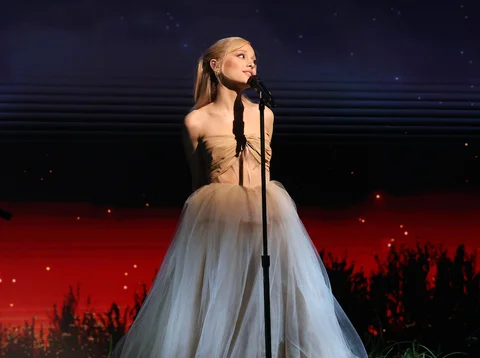
She brought a level of world-building to her pop career that felt fresh and ambitious. This is where her stage training became so crucial. An actor knows how to step into a character, and Grande approached each era as a new role to embody. She used her platform not just to sing songs, but to create immersive worlds for her fans to step into. This ability to blend personal narrative with high-concept art is what elevated her from a pop singer to a genuine cultural force, capable of shaping conversations with a single release.
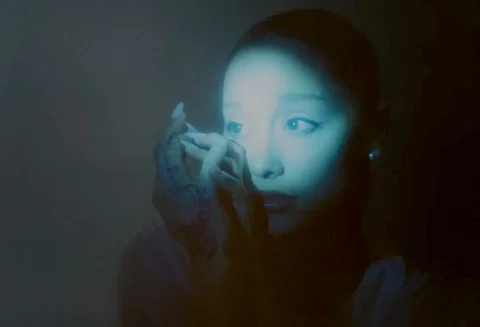
The conceptual depth of her recent work, particularly on eternal sunshine, showcases this skill at its most refined. The album and its accompanying visuals function as a singular, poignant narrative, playing with memory and perspective in a way that feels incredibly cinematic. It’s a pop album that operates with the structure of a stage play, complete with character arcs and thematic resonance.
The Full-Circle Spectacle
Now, everything is coming together in the most spectacular way possible with her role as Glinda in the highly anticipated film adaptation of Wicked. This isn’t stunt casting; it’s a destiny fulfilled. It represents the perfect collision of her worlds: the Broadway beginnings, the global pop superstardom, and her undeniable screen presence. Taking on a role as iconic as Glinda the Good requires more than just a famous name; it demands a specific, highly technical vocal style. It requires an understanding of character, and the ability to convey a complex emotional journey through song.
In other words, it requires an Ariana Grande. Her ability to deliver powerful, nuanced vocal performances while embodying a character is precisely what the role demands. It feels like the culmination of her entire career, a project that honors her past while defining her future. It's the ultimate showcase for an artist who has spent years proving that spectacle and substance can, and should, go hand in hand.
As she steps into this new, glitter-dusted chapter, it’s clear that Grande isn’t just playing a part; she’s demonstrating the power of a performer who has mastered multiple disciplines. She’s turned her career into a masterclass on how to build an empire on the unshakable foundation of pure, unadulterated talent.
On This Topic