
In an era of endless franchises, Timothée Chalamet is making a radical choice: betting on directors. His work with visionaries like Denis Villeneuve, Wes Anderson, and James Mangold is building a different kind of stardom.
It’s not exactly a secret that Timothée Chalamet is the generational talent of the moment. But his omnipresence isn't just about sharp cheekbones and a legion of devoted fans; it's about a series of calculated choices that feel almost revolutionary in today’s Hollywood. While many of his peers are signing multi-picture deals for capes and spandex, Chalamet is building a résumé that feels curated, intentional, and director-obsessed. As Young Hollywood has watched his star ascend, it’s become clear his strategy isn't about being the biggest star right now, but about being a permanent one.
The modern blueprint for a young leading man is fairly simple: land a franchise, become a household name, and then maybe, if you’re lucky, get to make a smaller, more interesting film on the side. Chalamet has inverted the formula. He leads with taste, banking on the idea that good directors make good movies, and good movies create a legacy that outlasts any single opening weekend.
The Auteur's Muse
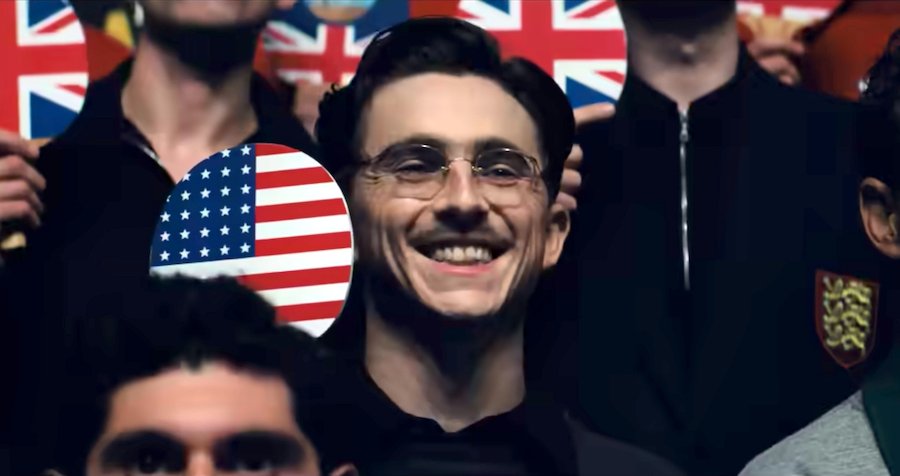
Look no further than his work with some of the most distinctive filmmakers working today. His collaboration with the master of meticulous whimsy, Wes Anderson, placed him squarely within a cinematic universe known for its pastel color palettes, deadpan delivery, and casts packed with cinematic legends. Being invited into that exclusive club isn't just another role; it's an endorsement. It’s a sign that you have the unique frequency required to exist in a world built by one of cinema’s most idiosyncratic architects.
For an actor of his generation, this choice signifies a respect for the craft of filmmaking itself. It broadcasts an interest not just in his own performance, but in being a component of a larger, singular vision. It’s an act of professional humility that ironically makes his star burn even brighter. You aren't just watching a Timothée Chalamet performance; you're watching him seamlessly integrate into an Andersonian tableau, a feat that requires a specific kind of intelligence and adaptability.
From Indie Darling to Epic Storyteller
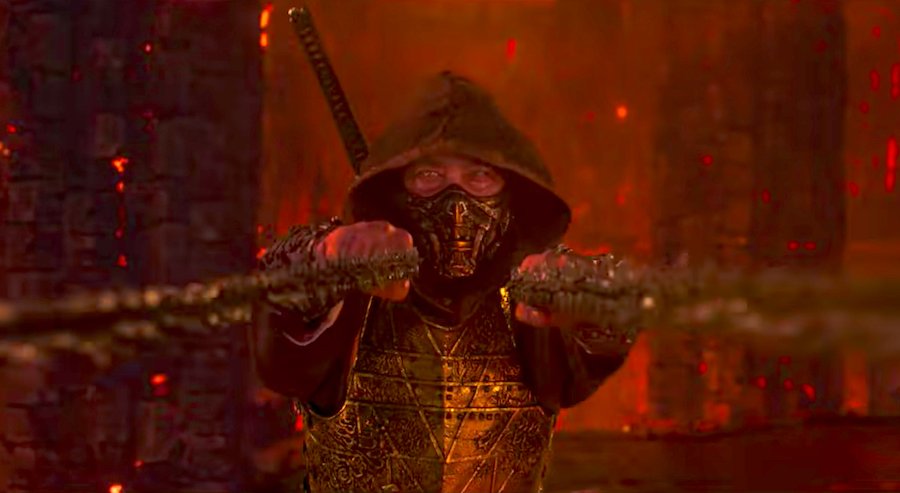
If Anderson represents precision and quirk, Chalamet’s work with Denis Villeneuve represents scale and gravitas. Villeneuve doesn't just make movies; he builds worlds. His films are massive, cerebral, and emotionally resonant epics that demand a performer who can anchor cosmic drama with human vulnerability. For Chalamet to be at the center of that universe is a massive flex. It proves he can hold the screen not just in an intimate drama, but on the biggest canvas imaginable.
This partnership is perhaps the most critical piece of the puzzle. It gave Chalamet the blockbuster credentials every movie star needs, but on his own terms. Instead of a generic action flick, he got to lead a thoughtful, visually spectacular work of art that dominated the box office and the awards circuit. It’s the ultimate have-your-cake-and-eat-it-too scenario, proving that commercial success and artistic ambition don't have to be mutually exclusive.
An Old Soul in a Modern Game
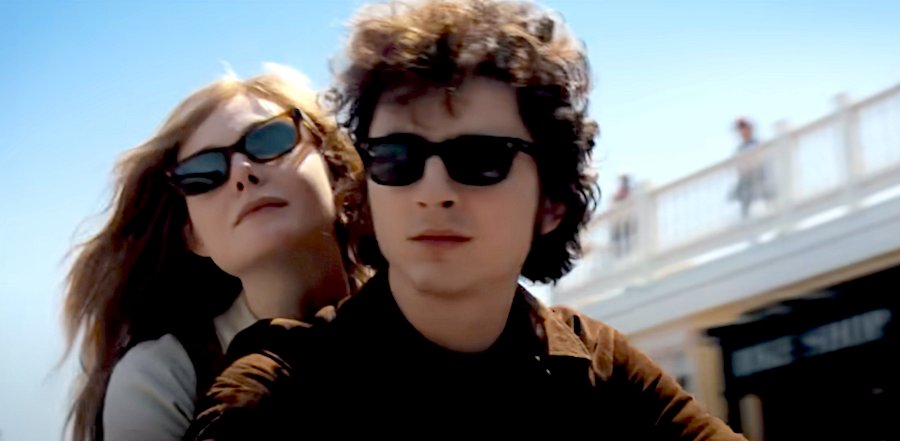
Next up is a move that feels both classic and incredibly savvy: a project with James Mangold. Mangold is a director’s director, a master of character-driven stories who can move between genres with ease, from Westerns to gripping biopics. For Chalamet to link up with him feels like a nod to the golden age of Hollywood, where actors proved their mettle by transforming into real-life icons under the guidance of a steady directorial hand.
It’s a project that demands a full-body commitment—vocal work, physicality, and the daunting task of embodying a figure beloved by millions. Choosing to do this with a filmmaker like Mangold shows Chalamet isn't just interested in the iconography; he's interested in the psychology. He's chasing the challenging role, the one that requires deep immersion, trusting a proven storyteller to guide him there. It’s the kind of decision a young Pacino or De Niro would have made.
The Chalamet Effect
So why does this all matter? Because Timothée Chalamet is providing a desperately needed counter-narrative to what a young male movie star can be in the 21st century. He’s making the director, not the IP, the main event. His career is becoming a film school syllabus in real time, influencing a new generation of fans to not just follow actors, but to follow filmmakers.
He's making 'taste' a marketable commodity. His choices elevate his own brand while also shining a light on visionary directors, reinforcing the value of original, ambitious filmmaking in an industry increasingly reliant on sequels and reboots. In a way, he’s not just an actor; he’s a curator.
The path he's carving is one defined by longevity over flash-in-the-pan heat. By aligning himself with masters of the craft, he's ensuring that his filmography will be studied and admired long after the hype of the present moment fades. He’s not just playing a character; he’s playing the long game. And he's winning.
On This Topic