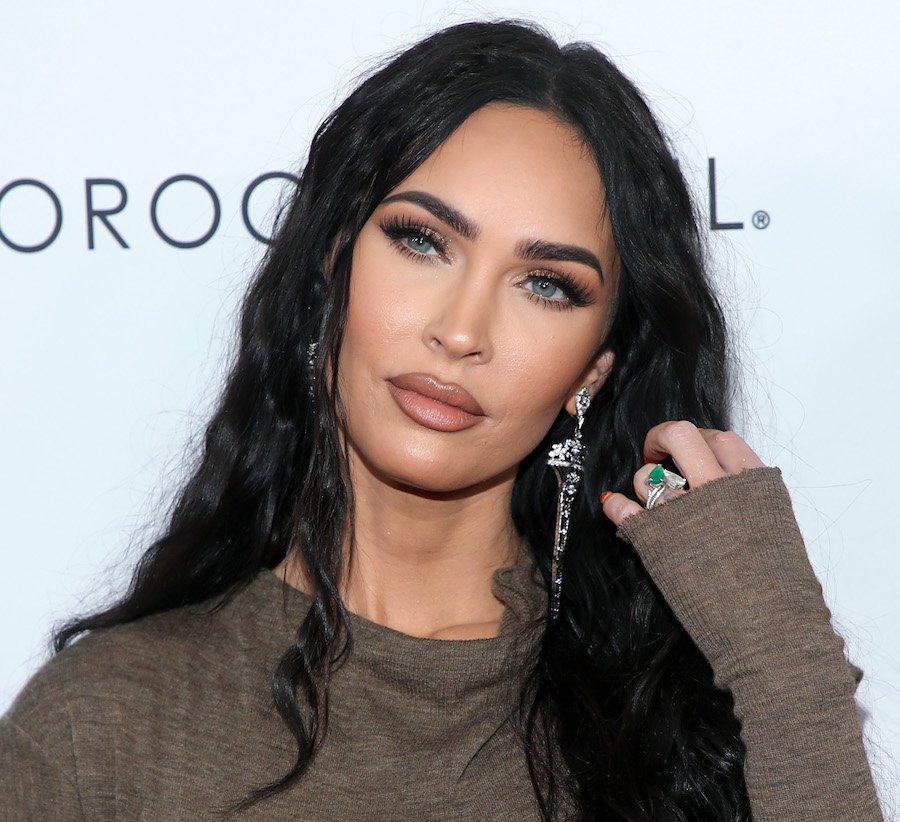



Forget the countdown clocks and flashy press releases. The savviest new launches—from brands to albums—start with a whisper. We're breaking down the soft-launch economy.
It starts with a blur. A disembodied hand on a dinner table, a corner of a new painting, an instrumental-only snippet of a song posted without comment. If you know, you know. And if you don’t? You’re immediately intrigued. This is the art of the soft launch, a tactic once reserved for teasing a new relationship that has now blossomed into a full-blown economic strategy. The era of the blockbuster, everything-at-once reveal is fading. In its place, mystery has become the new marketing.
The soft-launch economy is built on a simple premise: scarcity is more valuable than saturation. For a generation that grew up with relentless advertising, pop-up ads, and sponsored content, the hard sell feels, well, old. The new cool is discovered, not declared. It’s about creating a breadcrumb trail that invites your audience to become digital detectives, piecing together clues and feeling a sense of ownership over the reveal. This isn’t just for a new boo; it’s for a new brand, a new album, a new career chapter, a new anything. It’s the dominant release strategy for those who get it.
From Relationships to Revenue Streams
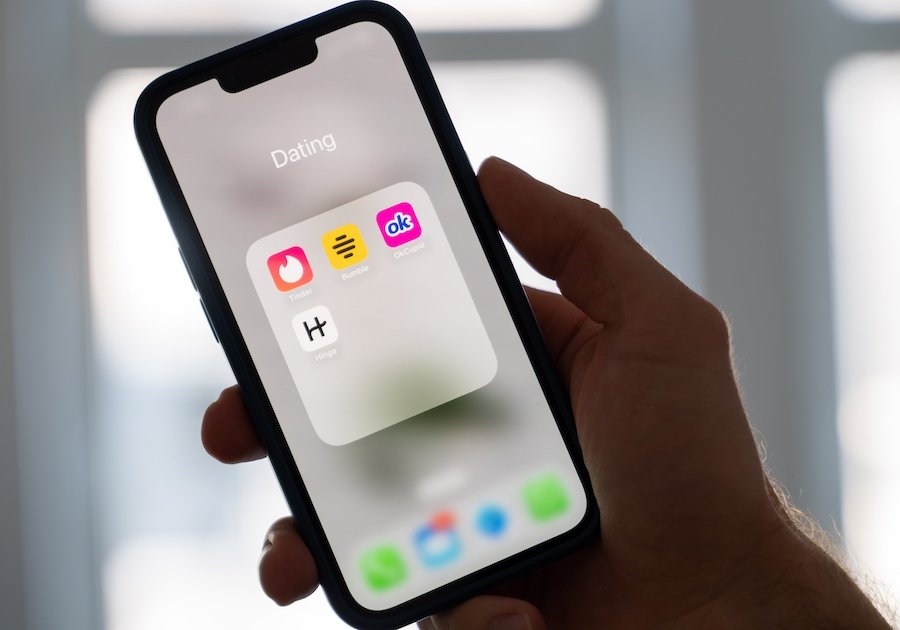
Let’s be real, the DNA of this trend lies in social media romance. The carefully cropped photo, the two-coffee-cups-one-table shot—these were the original soft-launch posts designed to hint at a new partner without giving it all away. It was subtle, low-risk, and created instant buzz among followers. So why wouldn’t the same principle apply to business? Creators and brands quickly realized that the psychology behind it was powerful. A direct announcement can feel like a sales pitch, but a hint feels like a secret you’re being let in on.
We’re now seeing this play out on a massive scale. An actor might start posting cryptic images related to a historical period before being announced in a new period drama. A musician like Troye Sivan might tease the aesthetic and sound of a new era with mood boards and vibey clips long before a single like Rush is even named. It’s a way to build a world around a product before the product even exists. This builds a narrative, allowing the audience to invest in the story long before they’re asked to buy something. When the official launch finally happens, it’s not an introduction; it’s a confirmation of something the community already feels a part of.
The Art of the Breadcrumb Trail
A successful soft launch isn’t just one vague post. It’s a curated campaign of clues—a breadcrumb trail for an engaged audience. It might start with an artist wiping their Instagram grid clean, a universal signal that something new is on the horizon. Then come the subtle shifts: profile pictures change to a single, symbolic color; a new, mysterious link appears in a bio; Stories feature behind-the-scenes glimpses of a project with the key details artfully obscured.
Each of these moves is a puzzle piece. For the dedicated follower, connecting the dots becomes a game. They screenshot, zoom in, and flock to comment sections to share theories. This turns passive consumers into active participants. The hype isn’t being manufactured by a marketing team with a huge budget; it’s being generated organically by the community itself. This 'If You Know, You Know' (IYKYK) approach cultivates a sense of an inner circle, making those who followed the trail from the beginning feel like true insiders. That feeling is something money can't buy.
Why Scarcity Replaced The Spectacle
The old playbook was all about spectacle. Think huge billboards, a press release blasted to every outlet, and a primetime TV debut. The goal was to be loud, unmissable, and everywhere at once. But in a crowded digital landscape, shouting often just becomes more noise. Gen Z, hyper-aware of authenticity, can smell a forced marketing campaign from a mile away. The big-budget rollout risks coming across as desperate or, even worse, creating expectations that are impossible to meet. Over-promising and under-delivering is the cardinal sin of modern hype.
The soft launch is the antidote. It manages expectations brilliantly by building intrigue slowly and letting the quality of the eventual product speak for itself. The scarcity isn’t just about limited-edition drops; it’s about a scarcity of information. Each new detail is a currency, making the final reveal more impactful. It says, 'This is so good, we don’t need to scream about it. You’ll find it.' For an audience that values discovery, this is the ultimate flex.
It’s a fundamental shift from a push to a pull strategy. Instead of pushing a message onto people, you’re creating an aura of mystery that pulls them in. They lean forward, they ask questions, they investigate. The engagement is deeper, the investment is more personal, and the resulting loyalty is stronger. When the product, song, or project finally drops, the audience is already primed and waiting, not because they were told to be, but because they chose to be.
So next time you see that cryptic post or that artfully obscured detail, don’t just scroll by. You’re likely witnessing the first step in a masterful new playbook. The soft-launch economy isn't a fleeting trend; it’s a new language of anticipation, proving that in a world of endless noise, a well-timed whisper is the most powerful sound of all.
On This Topic
UP NEXT TO READ



SHOP THE STORY