


Tired of atomized, online-only life, a new generation is rebuilding 'third places' — from listening bars to run clubs — prioritizing IRL community over digital content.
There's a quiet revolution happening, and it doesn't involve a single algorithm. After years of life mediated through screens, a powerful counter-current is pulling us back to the real world. For a generation that came of age in an era of lockdowns and digital-first friendships, the novelty of the online world has worn thin. The new frontier isn't a metaverse; it's the coffee shop on the corner, the running path in the park, the dimly lit bar where the music is more important than the Wi-Fi password.
Call it the great reconnection. It’s a conscious movement away from performative online existence and toward something quieter, more tangible, and infinitely more restorative: community. Gen Z is leading the charge in rediscovering and rebuilding the “third place,” and in doing so, they’re choosing connection over content.
Home, Work, and… Where?
The concept of a “third place” isn’t new, but its modern revival feels revolutionary. Sociologists have long identified our first place as home and our second as work or school. The third place is that crucial, informal anchor of community life—the spot where you go to simply be, to unwind and connect with others outside the obligations of home and work. It's the neutral ground where friendships are formed, ideas are exchanged, and a sense of belonging is nurtured.
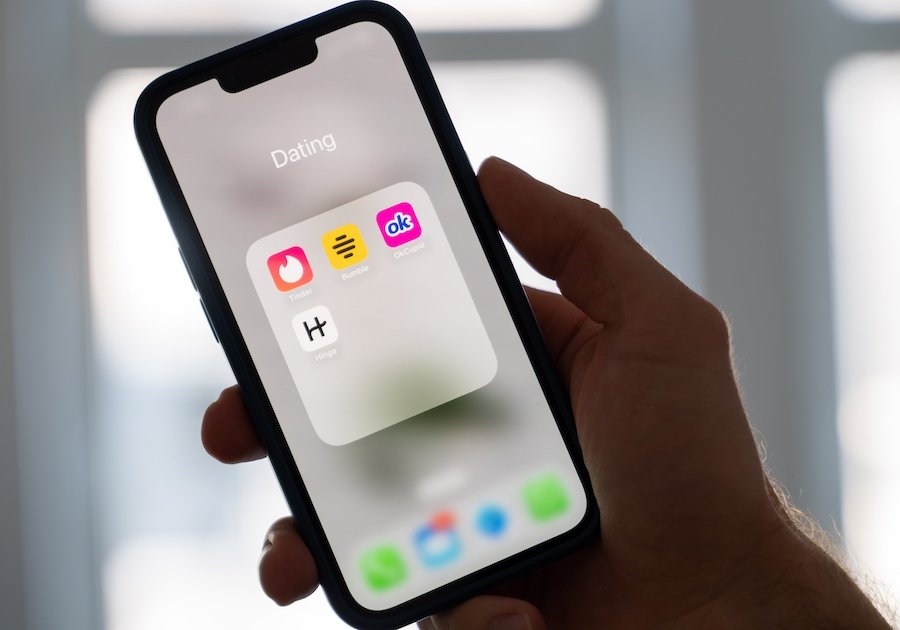
For years, that space was increasingly occupied by the internet. Group chats, Discord servers, and sprawling social media platforms became default third places, offering a semblance of connection without the need to leave the house. But the pandemic-era acceleration of this trend revealed its limitations. Digital connection, while valuable, often lacks the spontaneity and depth of in-person interaction. What we’re seeing now is a direct response to that atomization—a generation rebuilding these essential spaces from the ground up.
The New Community Hubs
So what do these new third places look like? They are diverse, intentional, and often center around a shared, low-stakes activity. Take the rise of the listening bar. These aren't loud clubs for mingling; they are spaces dedicated to the communal, high-fidelity experience of appreciating an album from start to finish. The focus is on the shared sound, creating a collective vibe that's meditative and social all at once. It’s about being together in an experience, not just in a room.
Similarly, run clubs have exploded in popularity, transforming a solitary form of exercise into a major social event. They offer structure and accountability, but more importantly, they provide a built-in community. The conversation on a five-mile loop or the shared cheers at the finish line forge bonds that a text thread never could. The same philosophy applies to the revival of neighborhood saunas, where wellness becomes a shared ritual, and “slow coffee” shops that encourage patrons to linger and talk, rather than grab-and-go. The product isn’t just the coffee or the run; it's the connection.
A Post-Pandemic Pivot
This isn’t just a random trend; it’s a direct and thoughtful reaction to a unique set of circumstances. Gen Z navigated their most formative social years through a period of profound isolation. High school graduations, college orientations, and first jobs were often remote, fractured experiences. The social muscles that typically develop through casual, unplanned interactions didn't get their usual workout.
The third place revival is a deliberate course correction. It reflects a deep-seated craving for uncurated, un-filtered, and authentic human contact. It's about finding people who share an interest and showing up, week after week. This isn't about networking for a career or finding a partner; it's about the simple, powerful act of being part of a group. It’s a rebellion against the pressure to constantly curate a personal brand online and a return to the freedom of just being a person, in a place, with other people.
Trading Clicks for Camaraderie
Perhaps the most significant aspect of this movement is the philosophical shift it represents. The digital age taught us to view every experience as potential content. A hike wasn't just a hike; it was an Instagram Story. A beautifully plated meal was a grid post waiting to happen. The third place ethos pushes back against this impulse.
The point of the run club isn't to post a sweaty selfie; it's to feel the endorphins and chat with the person running next to you. The point of the listening bar is to close your eyes and get lost in the music, not to geotag your cool location. It’s a move from a consumer mindset—passively scrolling through content—to a participant mindset, actively co-creating a community experience.
This is a generation reclaiming its time and attention from the algorithms that have so expertly captured them. It’s a declaration that the most valuable interactions are the ones that can’t be measured in likes or follows.
The future, it turns out, might not be fully remote or lived through a VR headset. It might just look a lot like a group of friends, old and new, sharing a real space, enjoying a simple moment, together. And frankly, that feels more futuristic than anything else.
On This Topic
UP NEXT TO READ

SHOP THE STORY