
For years, the platform has been at the center of influencer culture, gaming trends, internet humor, and online communities to the point where it feels almost inseparable from modern internet culture itself. For generations that grew up online, YouTube has a certain nostalgia attached to it; almost everyone has had at least one favorite YouTuber at some point, and it remains the platform many people turn back to when TikTok’s endless scrolling starts to feel repetitive.
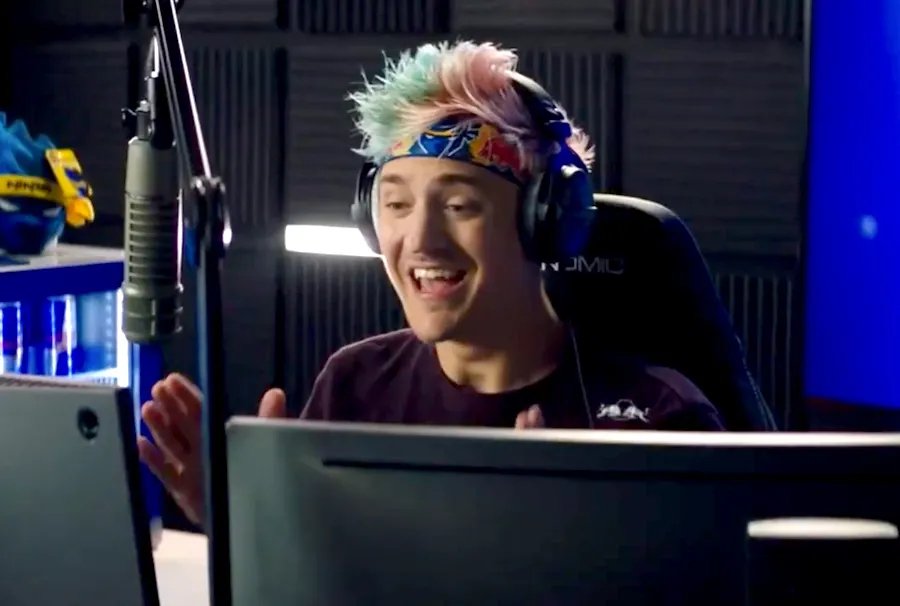
Over the past few years, however, there has been a noticeable shift in online entertainment, particularly within gaming and vlog-style content. Enter Twitch, the live-streaming platform that has rapidly taken over huge areas of internet culture. While platforms like YouTube, TikTok, and Instagram all offer live-streaming features, Twitch feels fundamentally different because the entire experience is built around interaction. Unlike the more voyeuristic nature of TikTok or Instagram, where creators can largely ignore comments and continue with their content, Twitch streams rely heavily on constant communication between creator and audience. Viewers are not just watching content; they are actively shaping it in real time through suggestions, reactions, and ongoing conversations with the streamer.
As a result, phrases like "chat, am I cooked?", or simply referring to online audiences as "chat" have become part of internet culture itself. With Twitch’s explosive growth, many YouTubers have also begun transitioning towards streaming in order to build stronger fan engagement and grow their audiences faster.
But where does this leave YouTube? And what does this shift towards increasingly live, interactive entertainment mean for the future of online content?
There is a growing sense that live-streaming has begun to humanize internet celebrities, taking creators off the unreachable pedestal of traditional influencer culture and making them feel more like active members of an online community. Twitch especially creates the illusion of closeness and spontaneity; viewers are not simply watching polished content but interacting with creators in real time, influencing conversations, jokes, gameplay decisions, and even the direction of entire streams through chats, donations, memes, and suggestions.
In more practical terms, Twitch also allows for smoother collaborations between creators, easier audience crossover, and far more fluid content than the heavily edited weekly upload model associated with YouTube. Audiences seem to be gravitating towards entertainment that feels immediate, interactive, and unpredictable -- content where genuinely anything could happen at any moment. This shift has become so influential that streaming itself is now being treated almost like a career path to train for. Initiatives such as Streamer University, launched by Kai Cenat, reflect how live-streaming culture has evolved into its own industry, complete with networking, collaboration, and guidance for aspiring creators hoping to break into the streaming world themselves.
There are two sides to every coin, however, as we have also seen some noticeable downsides to fans having such immediate and constant access to creators. Because Twitch is built around direct interaction, some viewers begin to mistake that accessibility for genuine friendship, blurring the line between audience member and personal relationship. Jokes and teasing that may begin as part of a streamer’s "bit" can quickly become excessive, with viewers feeling entitled to make increasingly invasive, rude, or outright bullying comments under the assumption that it is simply part of the community dynamic.
This parasocial element has always existed online, but Twitch arguably intensifies it because of how personal and responsive live-streaming feels compared to traditional YouTube videos. Some creators have started addressing this behavior directly, while many smaller streamers avoid confronting it entirely out of fear of losing subscribers, donations, or engagement. As a result, the boundary between creators’ public personas and private lives has become increasingly blurred, often at the expense of the streamers themselves.
With Twitch proving itself to be one of the most effective ways for creators to build loyal and highly engaged audiences, there has been a huge amount of crossover between the two platforms over the past few years. Established YouTubers are increasingly dipping their toes into live-streaming, while many Twitch streamers now upload edited clips or full VODs (Video On Demand recordings of streams) directly onto YouTube afterwards. In many cases, the livestream itself becomes the main content, with YouTube acting more like an archive or highlight reel where audiences can catch up on moments they missed.
At the same time, YouTube still offers something Twitch cannot fully replace: permanence. YouTube videos are easier to revisit, share, edit, and discover long after they are uploaded, whereas Twitch streams are often temporary and dependent on being present in the moment. Rather than one platform fully replacing the other, it seems more likely that creators are beginning to treat Twitch as the space for live audience engagement and YouTube as the polished extension of that content.
Still, the growing dependence on live-streaming does raise an interesting question: Are audiences beginning to value authenticity and constant interaction over production quality itself? And if so, could livestream culture eventually become the dominant form of online entertainment altogether?