
Taylor Swift: The Eras Tour was particularly lucrative, grossing over $260 million in theaters worldwide and quickly becoming the genre’s highest grossing film. Since then, we’ve seen several other similar releases, from modern artists such as Billie Eilish to legacy groups like Talking Heads. Why the sudden interest in this type of content, and what does it mean for the future?
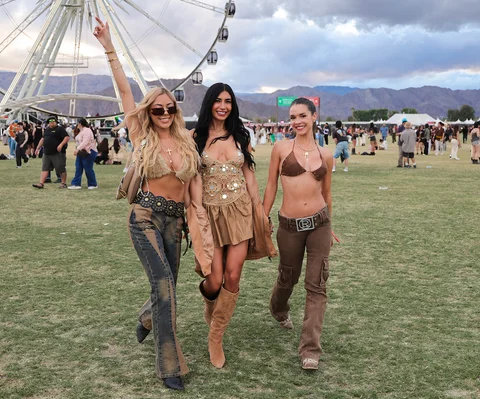
In order to understand the rising popularity of the concert film, it’s important to consider the genre within the broader context of transmedia storytelling, or the adaptation of a single IP across several different platforms. This technique is used to expand fan bases, such as when Marvel Comics began making movies and television shows. Transmedia storytelling is especially popular in today’s digital age, when fans are much less willing to be passive consumers and want to actively engage with material in a diverse assortment of ways. In the music industry, this type of content is already the norm in genres such as K-Pop, where behind-the-scenes documentaries, livestreams, and fan events are core parts of the touring system rather than solely bonus content. One of the reasons why these immersive experiences are so popular is because they solve a major accessibility issue for fans. To attend The Eras Tour in person, fans had to spend upwards of $1,000. By contrast, a ticket to the concert film only cost $19.89 for adults and $13.13 for children and seniors in the U.S. Those who saw the concert in theaters weren’t missing out on the social experience either, as fans were encouraged by Taylor Swift herself to sing along and dance as though they were at the actual concert. This allowed children, the elderly, and those limited by geographic location to be a part of the experience of being a fan, benefiting everyone involved.
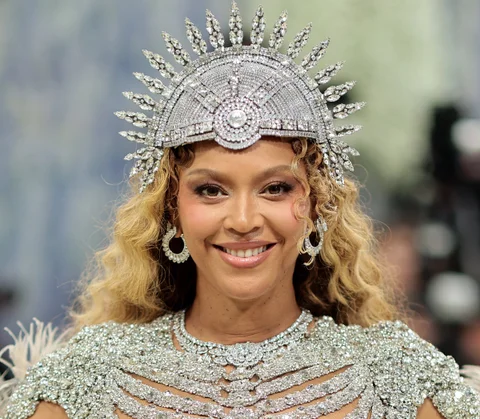
One of the key players benefitting the most is the artist, or whoever holds the rights to the music. After the deal that Taylor Swift cut with AMC Theaters, artists stand much more to gain from the production of these films than ever. Instead of working with a Hollywood studio, Swift partnered directly with AMC to distribute her film. By cutting the studio from the split, Swift ended up receiving 50% of ticket sales. For context, top-billing actors don’t usually earn more than 10% of the box office gross. Later that same year, Beyoncé cut the same deal with AMC for her film, Renaissance: A Film by Beyoncé. As recorded music revenues grow increasingly more fragmented by streaming inequities, concert films take the most economically beneficial part of the music business – touring – and monetize it a second time.
These films pose a unique solution to the various problems plaguing the film industry as well. It’s no secret that the movie business has been struggling to climb back up to its pre-Pandemic high. A total of 602 movies were released theatrically in 2025, compared to over 900 in 2019. Following the 2023 writers’ and actors’ strikes, studios slashed development slates and radically reduced the number of projects given the green-light. Additionally, increased streaming options have led to less and less people willing to go to the movie theater. Concert films, however, are significantly less risky than traditional narrative films. They don’t rely on writers or actors and there’s already an established fanbase that are pretty much guaranteed to be in the theater. This makes these projects much easier to produce without the added anxiety of whether or not a profit is going to be made.
Concert films are just one part of a growing effort to diversify the types of content offered in theaters and create more immersive worlds for fans to engage with. With the recent releases of Oasis's Don't Look Back in Anger and Billie Eilish’s 3D concert film directed by James Cameron, it’s clear that the genre isn’t going anywhere soon. There are always new ways to experiment and evolve, and we’re certainly excited to see where things go next.