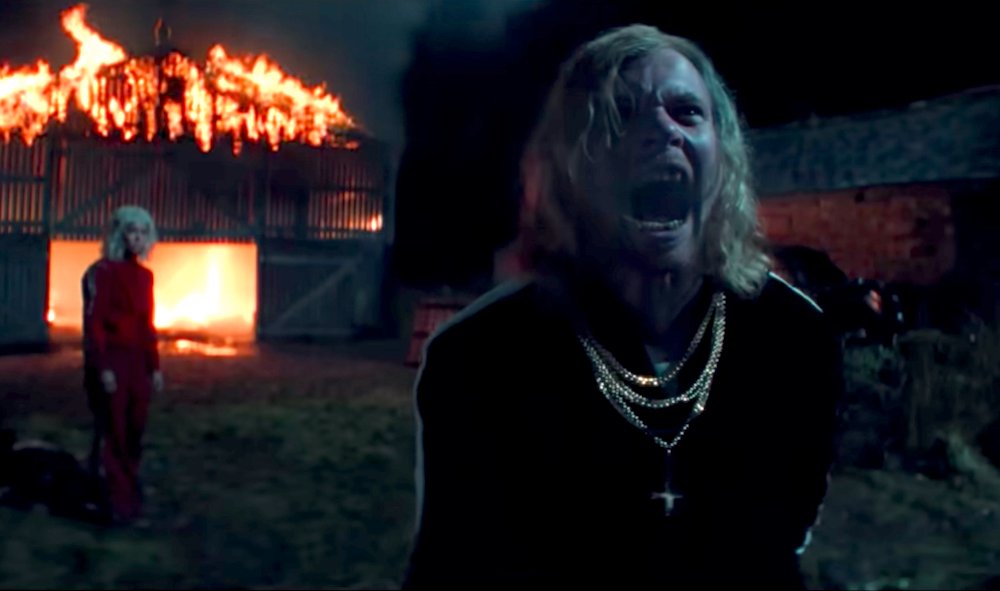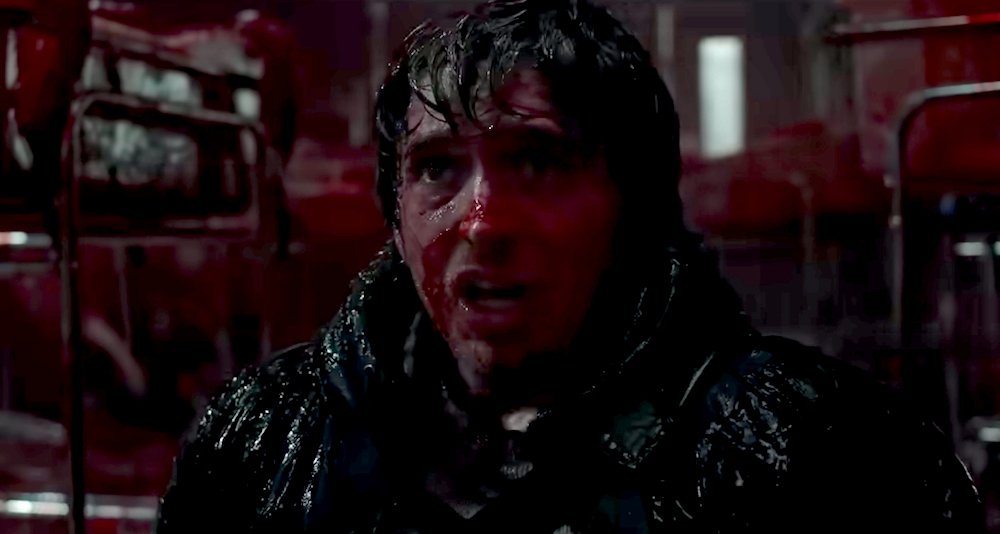
And yet, somehow, Korean film & television has managed to make zombies feel exciting again.
From the heart-pounding train chases of Train to Busan to the high-school horror of "All of Us Are Dead", K-dramas and films have taken everything audiences thought they knew about zombies and completely reinvented it. Whether it's faster infected, surprisingly deep social commentary, or wildly creative twists on the genre itself, Korean creators seem determined to keep viewers on the edge of their seats. So what is it that makes K-zombies so much better at getting our hearts racing?
Warning: This article discusses key plot points from several K-zombie films and dramas. Some embedded clips may also contain graphic scenes and horror violence.
Speed
The scariest thing about K-drama zombies has to be their speed. Unlike Western zombie shows such as "The Walking Dead", where the undead often shuffle around aimlessly and can usually be outrun, K-zombies are absolutely relentless. The moment they transform, they become terrifyingly fast, aggressive, and almost impossible to escape. Whilst they may lose certain human abilities, such as opening doors or thinking strategically, they more than make up for it with sheer athleticism.
Perhaps the best example of this is the iconic zombie thriller Train to Busan (2016). Set largely aboard a moving train, the film traps survivors in narrow carriages while the number of infected grows by the minute. Every attempt to move through the train becomes a heart-pounding chase sequence, with zombies sprinting after their victims at full speed. And when the passengers finally leave the train, the danger only escalates. There is very little time to catch your breath, which is exactly what makes K-zombie stories so effective. They replace the slow, creeping dread often found in Western zombie media with pure adrenaline, creating some of the most intense survival horror ever put on screen.
Mutant Zombies
One of the reasons "All of Us Are Dead" (2022) became such a massive hit for Netflix is that it managed to bring something genuinely fresh to a genre that often feels oversaturated. While the idea of zombie-human hybrids is nothing new, the series gave the concept a fascinating twist through its "hambies" -- individuals who are infected but retain their intelligence, memories, and sense of self.
What makes the show so compelling is that it refuses to treat all mutant zombies as the same. Characters such as Choi Nam-ra become a constant battleground between human emotion and zombie instinct, forcing them to fight their urges in order to protect the people they care about. On the other hand, characters like Yoon Gwi-nam embrace their transformation entirely, using their enhanced abilities to become even more dangerous than the zombies themselves. By showing two completely different responses to the same infection, the series turns the zombie virus into something more than just a threat -- it becomes a reflection of the person infected. The result is a zombie story that feels just as interested in human nature as it is in survival horror.
Origins of the Disease
Many of the best zombie stories use the apocalypse as a mirror for human behavior, exploring themes such as greed, inequality, fear, and survival. While different franchises have offered everything from laboratory accidents to mysterious infections as explanations for their outbreaks, "Kingdom" (2019) arguably presents one of the most thought-provoking origins in the entire genre. Set during Korea's Joseon era, long before modern science could offer explanations for a disease outbreak, the series roots its zombie virus in folklore and desperation rather than technology. The first infected is the King himself, resurrected using a mysterious plant known as the "resurrection flower". Yet the truly fascinating part of the story is not how the virus begins but how it spreads. Faced with extreme famine and starvation, villagers unknowingly consume meat from an infected corpse, causing the infection to spread throughout the population.
The dark irony at the heart of "Kingdom" is impossible to ignore. A virus centered around cannibalistic urges is unleashed through an act of cannibalism born out of desperation. Even more striking is the fact that the people driven to such extremes are victims of the very social and political systems meant to protect them. In this way, the zombies themselves are not the true horror of the series. Instead, "Kingdom" suggests that inequality, corruption, and neglect create the conditions for catastrophe long before any monster appears.
Urban Horror
Switching to a much more modern setting, some of the most effective K-zombie stories are the ones that place the apocalypse in environments that feel uncomfortably familiar. While many Western zombie series, such as "The Walking Dead", are largely set in suburban neighborhoods, small towns, or rural landscapes, films like #Alive (2020) bring the horror much closer to home for a global audience.
Set almost entirely within a high-rise apartment complex, #Alive taps into a very specific kind of claustrophobia. The protagonist is trapped inside his apartment while zombies swarm the building below, cutting him off from the outside world. Every window becomes a reminder of the danger lurking just meters away, and even the simple act of moving between apartments becomes life-threatening. The film cleverly transforms an ordinary living space into a prison, creating tension from a setting that millions of viewers recognize from their own daily lives. The idea of being trapped in your own home, unable to escape while watching chaos unfold from your balcony, feels frighteningly plausible.
Zom-Com
Perhaps the most impressive thing about Korean zombie media is its willingness to completely subvert the genre. While many zombie stories focus on the undead as unstoppable killing machines, some Korean films ask a very different question: What if zombies were not the greatest threat at all? The Odd Family: Zombie on Sale (2019) takes this idea to hilarious extremes. Rather than immediately fearing the zombie they accidentally capture, one family realizes that its bite has a surprising side effect — it rejuvenates people instead of killing them. Suddenly, the elderly regain their strength, aches and illnesses disappear, and the family sees an opportunity to make a fortune. What follows is a wonderfully chaotic satire about greed, opportunism, and human nature. Of course, things do not go quite according to plan, and the family's attempt to monetize their miraculous discovery quickly spirals out of control.