
During Mexico’s World Cup run, green and red jerseys flourished through New York City streets in profusion. As the team chipped its way to the top 16, people from countries not represented in the World Cup, or from teams that had already been eliminated, found a home in supporting Mexico. With matches taking place in Mexico City itself, Mexico’s national soccer team had home-court advantage as thousands and thousands of fans gathered to support their country at El Estadio Azteca, which seats over 85,000 people and is located 2,241 meters above sea level. Until the Round of 16, no team had managed to score even one goal against them.
For the first time in 40 years, Mexico made it past their 5th game and won their first "knockout" game since 1986 in the Round of 32 against Ecuador. This was a notorious soccer curse referred to as "EL Quinto Partido", where, despite how strong Mexico’s team was any given year, they were unable to make it past the 5th game time and time again. Right at the beginning of the World Cup, and especially after a strong showing in the first two games, the phrase "¿Y si sí?" started to catch on as a motto for believing that we can do it, translating to “What if we do? What if we can?” -- win, that is. In classic Mexican fashion, rather than harping on the "curse" or what could go wrong, the entire nation decided to stand up and support their national team, knowing wholeheartedly that we weren’t going down without a fight or without having a good time.
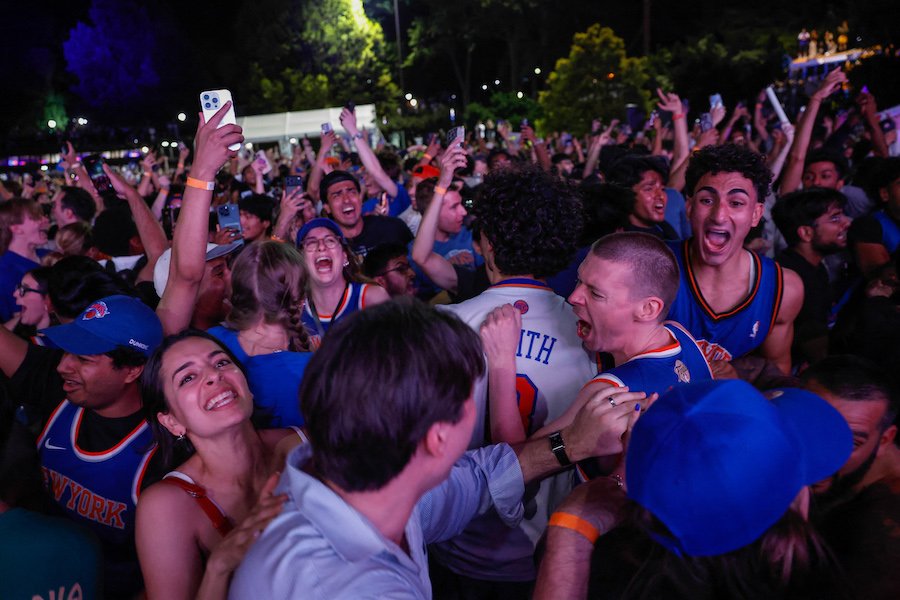
The support behind la selección Mexicana had never been stronger going into the Round of 16 against England. On social media and on the streets along my daily commute, people from different backgrounds proudly wore Mexico jerseys and voiced their support for a team that would probably be one of the biggest underdogs if they hadn’t been playing at home. Mexican culture is rowdy, resilient, and passionate, which in itself drew in support from fans around the globe, some of whom were from countries where their team wasn’t selected to compete, and others who just applauded the team’s culture, game, and the parties that rallied in support behind it. On game days, lines formed outside bars and watch parties, creating a sea of green and red... and the occasional yellow jersey repping Brazil.
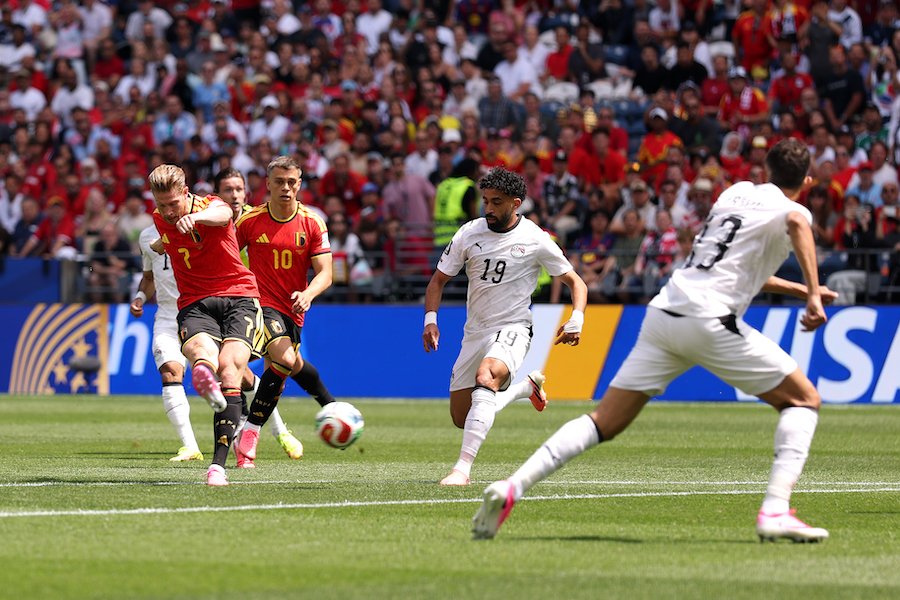
After a tough fight, England upset Mexico 3-2 in one of the most dynamic and entertaining games I’ve ever seen. The second we knew it was over, "Cielito Lindo", a Mexican folk anthem, started playing as watery eyes stared at the blow-up screen. The moment Mexico was eliminated from the Cup by the English team, the lyrics "Canta y no llores" -- or "sing and don’t cry" -- soundtracked the teary faces of pride and disbelief. However, in less than 10 minutes, the dreary room returned to one filled with cheering, dancing, and singing for a team that made their country and fans proud until the last whistle blew.
Playing in Mexico, with an outstanding roster with players as young as 17 in the field, Mexico had a great run in the 2026 World Cup. The team broke the so-called "curse", filling the country with immense joy and hope that this could be the year we won it all. In downtown Mexico City, crowds of up to 400,000 gathered to celebrate, surrounded by music and fireworks at "El Ángel" after their first victory and growing exponentially as games went on. It’s hard to imagine how massive the celebrations would have been if the team had advanced even further. Unfortunately, they lost in the round of 16 and were eliminated for good. Contrary to popular belief from other countries, there was no violence or hard feelings against the opposing team and their fans. In fact, many tourists report Mexico being one of the friendliest and most welcoming countries, especially with sportsmanship. Mexico is built on hard work, unity, and love. The truth is, both teams played a hell of a game, and that earned England the pride and respect of fans in El Estadio Azteca. Even after losing, Mexico fans felt fulfilled by watching the national team hustle until the very end and giving it their all. We cried but were never disappointed. So we still danced and drank and partied, for we made it this far and will do so again, because what if we still can? ¿O Y Si Sí Aún?