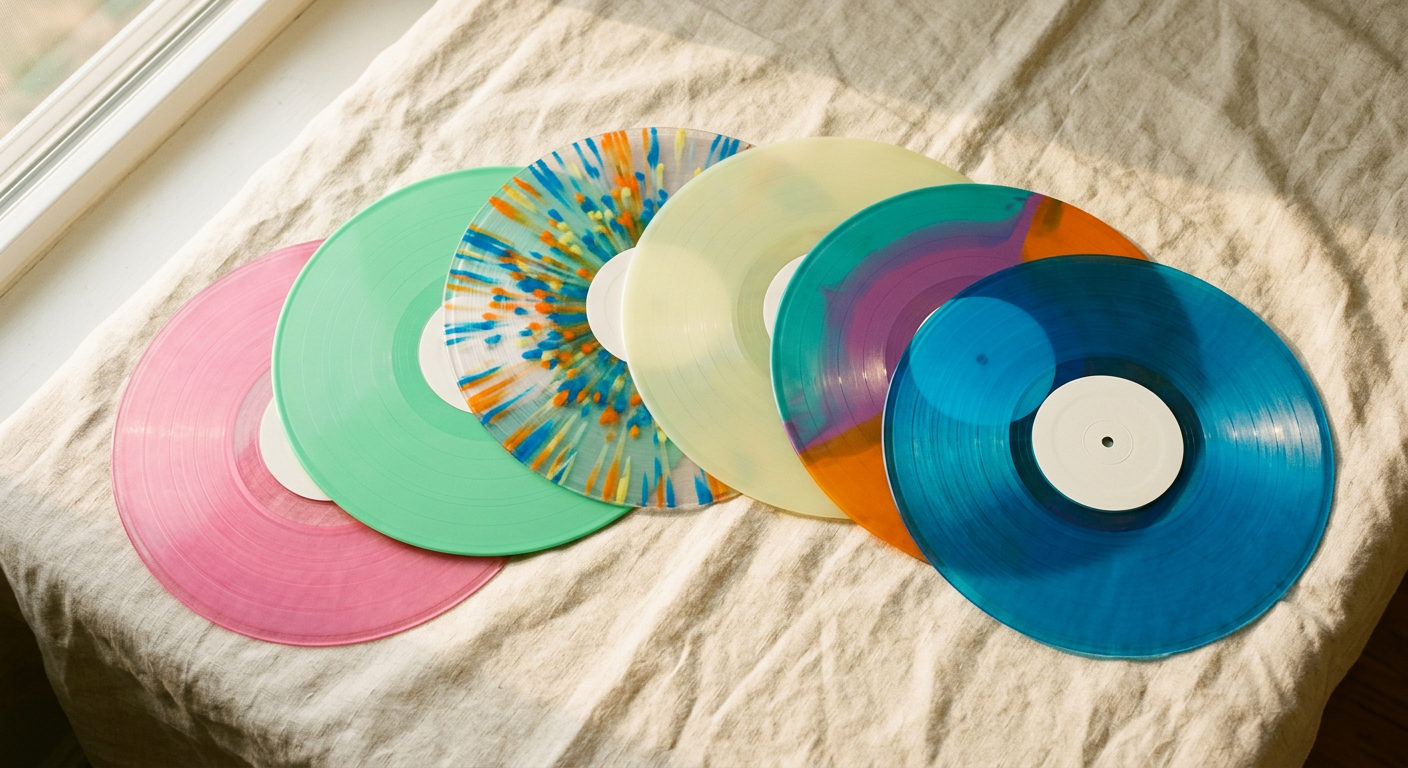


The vinyl record resurgence isn't about audiophiles. It's being driven by Gen Z, who treat limited-edition LPs as the ultimate piece of merch to prove their fandom in a digital world.
Here at the Young Hollywood studio, we've noticed a fascinating shift in how artists and fans connect. The conversation is no longer just about streaming numbers or viral moments. There’s a new, or rather old, status symbol making a comeback, but not for the reasons you think. We’re talking about vinyl records, and for Gen Z, it has almost nothing to do with sound.
Forget what your parents told you about analog warmth and audiophile purity. The vinyl boom of the 2020s isn't a retro throwback; it's a forward-thinking redefinition of fan-to-artist support. It’s the new merch. In an age of infinite, intangible digital files, Gen Z craved something real. They found it in a 12-inch plastic disc.
The Album as Artifact
For a generation that grew up with music as a utility—an endless playlist streaming from a cloud—the concept of 'owning' music became abstract. You can't hold a Spotify playlist. You can’t get a.MP3 file signed. The record, however, is an object. It's a physical token of allegiance to an artist, a tangible piece of their creative output that you can display on a shelf or frame on your wall.
This is a fundamental pivot. The record is no longer just a medium for audio playback; it's a piece of art in its own right. The jacket, the liner notes, the color of the vinyl itself—it all combines to create a multi-sensory experience that a streaming link simply cannot replicate. It’s about having a piece of the artist’s world in your own.
This is why you see so many young people buying records without even owning a turntable. The purchase isn’t about the utility of playing the music. The purchase is the statement. It says, 'I support this artist enough to buy their physical art.' It’s a badge of honor.
Scarcity in a World of Plenty
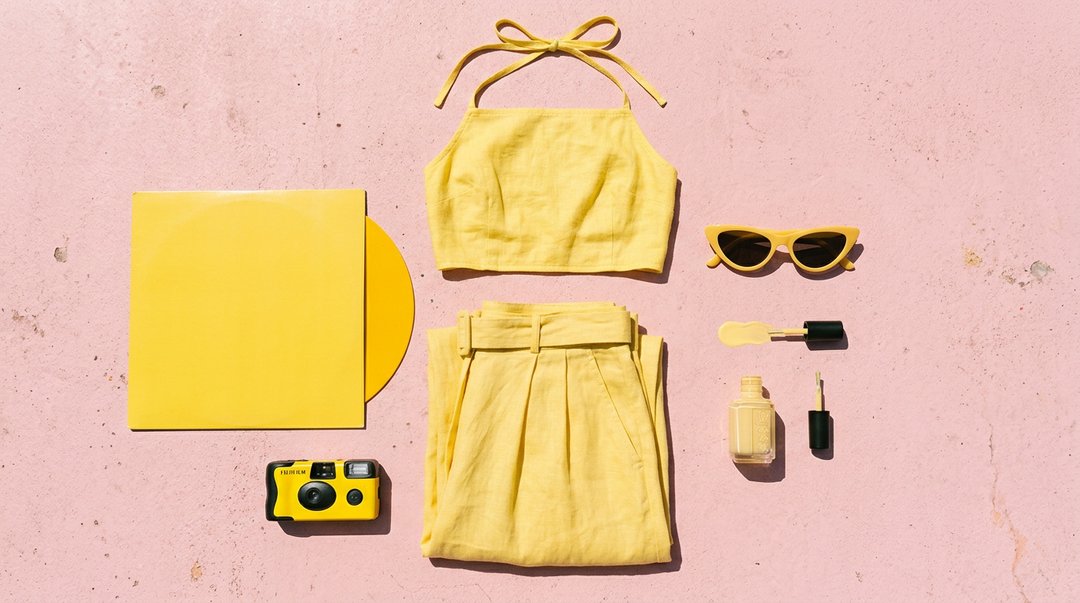
Artists and labels have caught on, and they’re leaning in hard. The real driver of the vinyl-as-merch economy is scarcity. In the same way sneakerheads line up for a limited-edition drop, music fans now scramble for exclusive vinyl variants. The 'Coke bottle clear' pressing, the 'galaxy swirl' edition, the version that’s only sold on a specific leg of a tour—these are the new collectibles.
This strategy transforms a simple album purchase into an event. It creates a treasure hunt. Being able to post a picture of a rare, tour-exclusive signed jacket isn't just about the music; it's about proving you were there. It’s social currency. It’s the 21st-century equivalent of holding up a lighter at a concert, a visible signal to a community that you are a part of it.
The record becomes a story. It’s not just an album; it’s the album you bought at the merch stand in Chicago, the one with the special sticker, the one that only 500 other people in the world have. That narrative is far more valuable than the convenience of a one-click stream.
Rebuilding the Music Economy
Perhaps the most powerful aspect of this trend is how it empowers both fans and artists. Gen Z is acutely aware that streaming pays artists fractions of a penny. They see their favorite indie artists struggling to make ends meet in a system that devalues their work. The vinyl record has become a direct and meaningful way to fight back.
Buying a $40 LP is a conscious act of financial support. It’s a fan telling an artist, 'Your work is worth more than $9.99 a month.' It puts real money directly into the pockets of creators, funding their next project, their next tour, and their ability to keep making the art that fans love. In this sense, Gen Z isn't just buying merch; they are becoming patrons, actively investing in the culture they care about.
This movement has rebuilt a segment of the music economy on the foundation of physical objects and direct support. It proves that even in the most digital of worlds, there is an enduring, and growing, desire for something real to hold onto. It’s a quiet rebellion against the ephemeral nature of the internet, fought one colorful record at a time.
So the next time you see a wall of vinyl records in a teenager’s room, don't assume it’s about nostalgia. It's about the future. It’s a gallery of fandom, a collection of commitments, and a testament to a generation that decided to make its digital love tangible.
On This Topic
UP NEXT TO READ

MUSIC SHOP