

In a direct response to post-pandemic atomization, Gen Z is rejecting endless scrolling in favor of intentional, in-person connection by revitalizing the concept of the 'third place.'
For a generation that came of age with a phone in their hand, the next big thing is surprisingly analog. Here at Young Hollywood, we're tracking a seismic shift in how Gen Z is choosing to spend its time, moving away from the endless scroll and toward something much more tangible: each other. It’s a full-blown revival of the “third place,” and it’s radically reshaping the social landscape for everyone under 35.
So, what exactly is a “third place”? The term refers to the environments outside of our two primary ones: home (the first place) and work (the second). It’s the neighborhood cafe, the local park, the barbershop—spaces where community is built, conversations flow freely, and you can simply exist among others. For years, these places were in decline, replaced by digital forums and curated social feeds. But after a global pandemic forced us into our first places almost exclusively, a deep hunger for genuine, unstructured human connection has emerged.
Gen Z is answering that call not by waiting for old-school diners to make a comeback, but by creating and championing new hubs for their specific interests.
Community Over Content
This isn’t just about being bored of Netflix. It's a conscious choice, a deliberate pivot from a life lived through screens. The defining characteristic of this trend is the prioritization of community over content. For years, social capital was built on follower counts, viral videos, and crafting the perfect online persona. The new status symbol isn’t how many people watch you, but how many people you can share a real-world experience with.
The feeling of atomization—of being a solitary individual floating through a digital ether—is the core problem this trend is solving. The curated perfection of an Instagram grid feels increasingly hollow compared to the messy, spontaneous, and authentic energy of a group activity. This generation is realizing that a DM slide doesn't hit the same as an inside joke shared over a coffee table. They’re trading the performance of being online for the presence of being in a room.
The New Neighborhood Spots
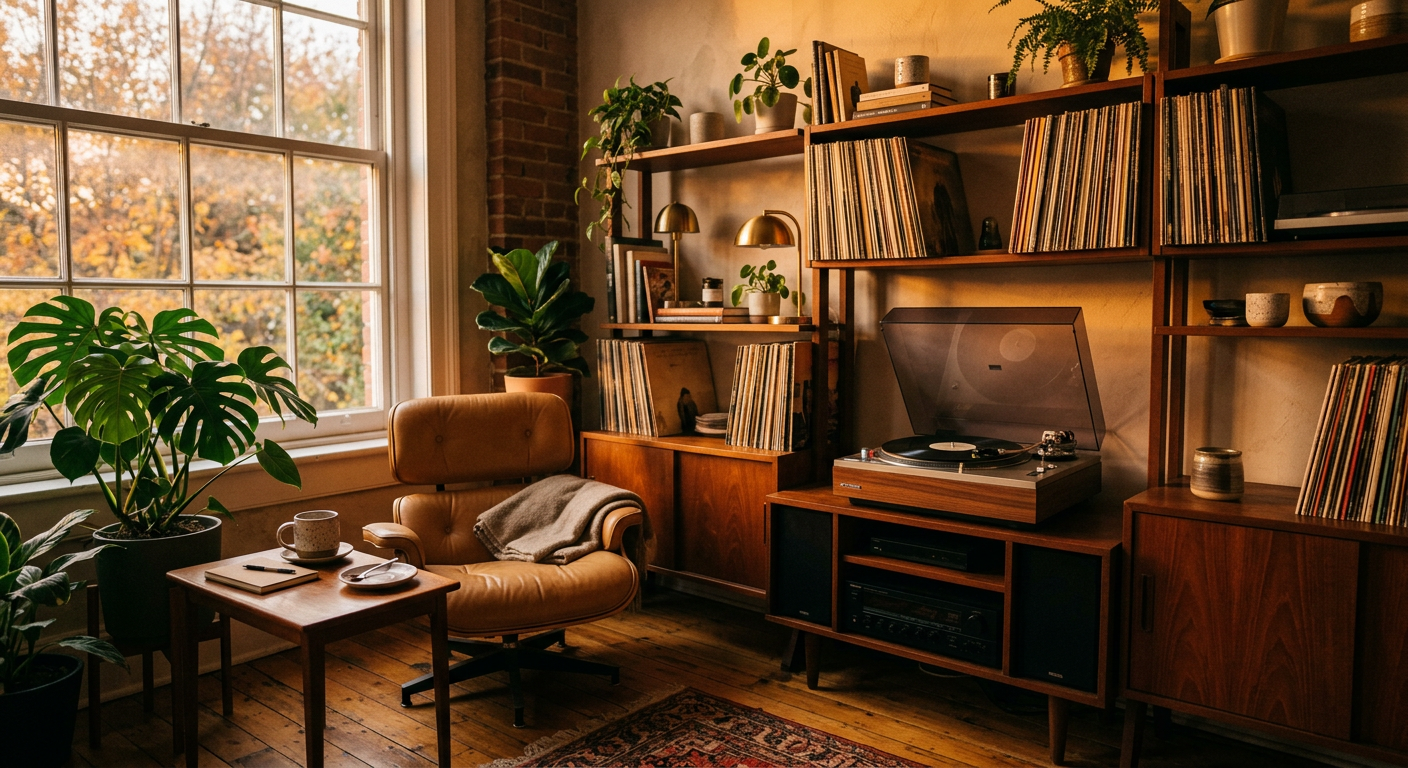
Forget the sterile, transactional feel of a chain coffee shop where everyone is siloed with their laptops. Today’s third places are built around a shared purpose. Take the rise of the listening bar. It’s a place designed for the specific, focused activity of appreciating music on a high-fidelity sound system. You don’t go there to shout over a playlist; you go to listen, together. It’s a communal experience that respects both the art and the attendees.
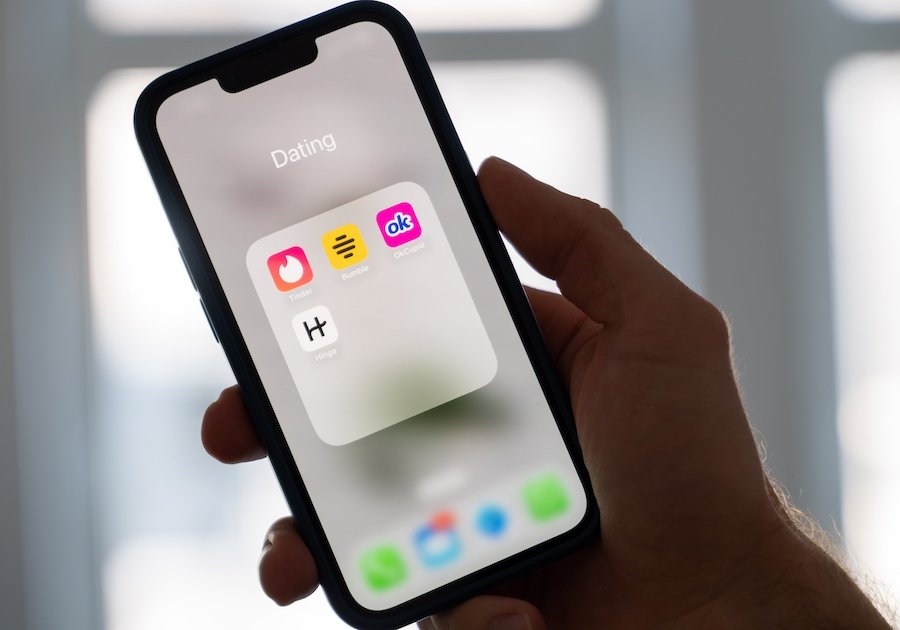
The same principle applies to the explosion of urban run clubs. What was once a solitary form of exercise is now a major social event. People of all skill levels gather to run a few miles, but the run is almost secondary to the community built before and after. It’s a low-stakes, health-oriented way to meet people outside of dating apps or the workplace. Likewise, “slow-coffee” shops that emphasize craft and conversation over speed and efficiency, and even niche wellness spots like neighborhood saunas, are becoming the new go-to's. These places offer a reason to gather that isn't just about consumption.
The Intentional Vibe
What ties all these new spaces together is intention. You don’t just stumble into a listening bar or a run club; you seek it out. This self-selecting mechanism is crucial. It means you’re immediately surrounded by people who share at least one of your interests, removing the social anxiety that often comes with trying to make friends as an adult. The activity itself provides the icebreaker.
It’s a powerful antidote to the paradox of choice that defines modern life. Instead of an endless menu of bars and clubs with no discernible identity, these third places offer a specific vibe and a clear purpose. It filters the noise and helps people find their niche, their tribe. This isn't about finding a place to be seen, but a place to belong.
Ultimately, the revival of the third place is an incredibly hopeful trend. It’s a generation that has been defined by its relationship with technology actively choosing to log off and link up. It’s a grassroots solution to a deeply felt modern problem—loneliness in an age of hyper-connection. By building these small, intentional communities, Gen Z isn’t just finding new places to hang out. They’re rebuilding the very fabric of our social lives, one run, one coffee, and one shared song at a time.
On This Topic
UP NEXT TO READ


SHOP THE STORY