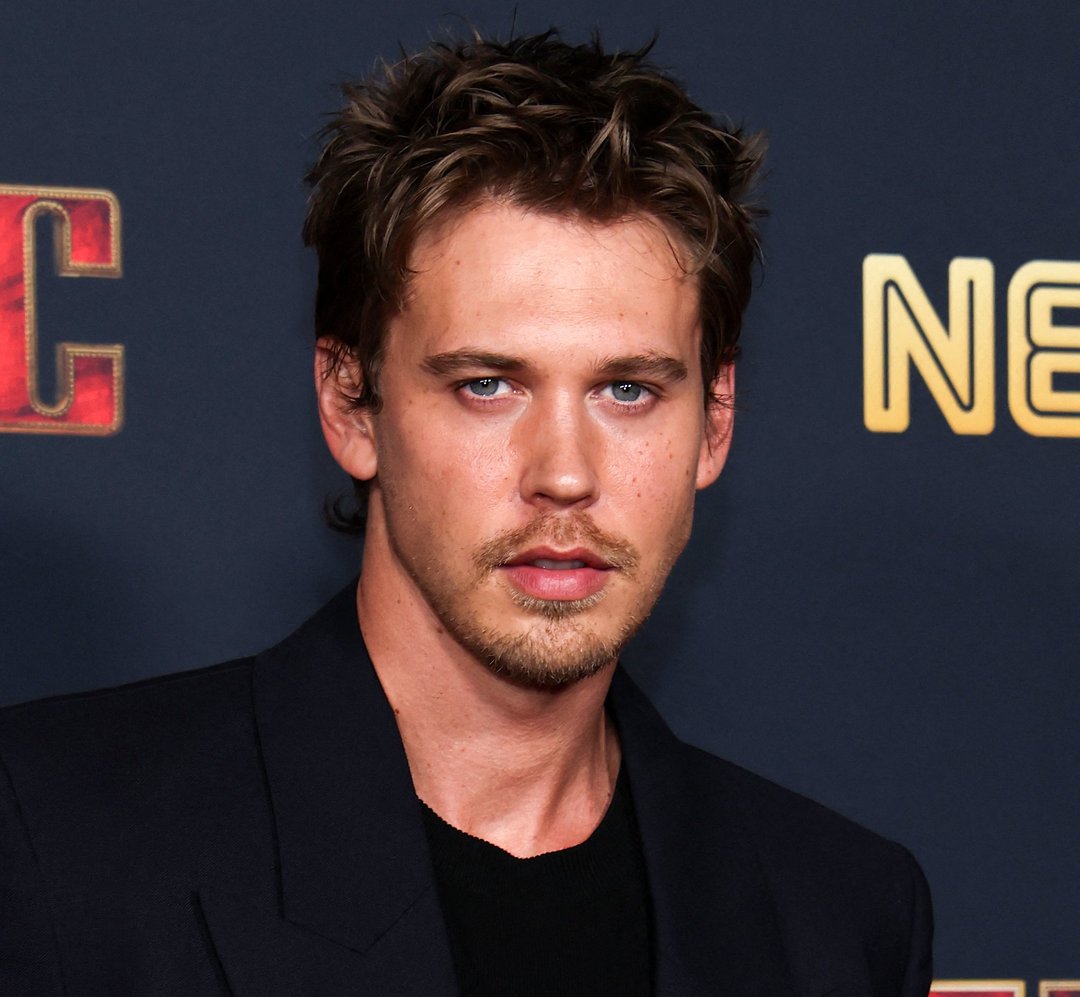

In a world of instant gratification, Austin Butler is building his post-breakout career with deliberate patience. The actor is choosing auteur-driven projects over easy franchise paydays, proving that slow and steady wins the race.
In a world obsessed with overnight success and franchise domination, Austin Butler is taking a page from a much older playbook. After a career-defining, electrifying breakout role that cemented his place on the A-list, many expected the standard next steps: a superhero cape, a multi-picture deal, a quick cashing-in on that newfound stardom. But as Young Hollywood has watched his next moves unfold, it's clear Butler is playing a different game entirely—one defined by patience, artistic integrity, and a deep respect for the craft of acting.
The modern movie star blueprint is practically written in stone. You have a massive hit, you leverage it for a guaranteed box-office juggernaut. It’s a business decision, and often a smart one. Yet, Butler has deliberately swerved, choosing a path that feels more aligned with the titans of the 1970s than the blockbuster kings of today. He isn't chasing the zeitgeist; he's building a filmography.
The Auteur Alchemist
The most telling evidence of Butler’s strategy is his clear preference for director-led projects. Rather than seeking out roles that would simply amplify his existing star persona, he has gravitated towards filmmakers with singular, uncompromising visions. It’s a choice that puts the story first and ego last. It says an actor is willing to be a color in a master's painting rather than demanding the entire canvas for himself.
Look at the choices. He followed his breakout performance by stepping into a sprawling sci-fi epic to play a chilling, psychopathic villain—a supporting but pivotal role under a director celebrated for his breathtaking world-building. Then, he pivoted again, leading an atmospheric, character-driven drama about a 1960s motorcycle club for a filmmaker known for his authentic portrayals of American subcultures. These are not obvious commercial plays; they are deliberate artistic statements.
This is the auteur-as-curator model of stardom. The actor’s filmography becomes a collection of collaborations, a testament to their taste as much as their talent. For a young audience that values authenticity, this approach resonates far more than simply showing up in the next interchangeable sequel.
From Big Screen to Prestige TV
Butler’s thoughtful approach isn’t confined to the multiplex. He also dedicated significant time to headlining a massive, critically acclaimed World War II limited series for streaming. In an era where the lines between film and television have all but vanished, this was a power move. It signaled that his priority is quality material and deep character exploration, regardless of the platform.
The project allowed him to explore a character’s arc over nearly ten hours, a luxury that a feature film rarely affords. It was another craft-focused decision, aligning himself with legendary producers to tell a story with weight and historical significance. It further solidified his image as a serious actor, not just a fleeting movie star, interested in meaty, challenging work wherever he can find it.
Building a Real Filmography
The throughline in all these post-breakout roles is transformation. We’ve seen him inhabit the kinetic swagger of a music icon, the pale and menacing presence of a futuristic warrior, and the quiet cool of a loyal biker. There is no “Austin Butler type,” and that seems to be entirely by design. He disappears into roles, a feat that requires immense work and a willingness to be unrecognizable.
This is how you build a legacy. It's not about winning a single opening weekend; it’s about creating a body of work that will be watched, discussed, and admired for decades. It's the difference between being a momentary celebrity and becoming a true screen actor. He’s choosing roles that will look just as impressive on a resume in 2044 as they do on a marquee today.
This patience is a quiet rebellion against the relentless content churn of modern Hollywood. It requires a rare confidence to turn down the easy money of a franchise in favor of a tougher, more artistically fulfilling path.
The Payoff of Patience
So what is the endgame for this slow-burn strategy? It's about earning a different kind of currency: respect. From directors. From fellow actors. And, most importantly, from an audience that is increasingly savvy and hungry for substance.
By aligning himself with great artists and challenging material, Austin Butler is not just navigating his post-breakout fame; he is curating a career with intention and foresight. It’s a risk, to be sure. But for anyone who loves watching an actor genuinely commit to the art of it all, it's not just refreshing—it’s thrilling. He isn’t just becoming a movie star; he’s reminding us what a movie star can be.
On This Topic