
On September 25, Tinashe released her 8th studio album, Popstar, and if she hasn’t been on your radar, that’s about to change. The record has proved impossible to ignore for listeners and critics alike, becoming her first album to crack the Billboard 200’s Top 10, while the notoriously nit-picky Pitchfork called it "the best pop album of the year."
You might know Tinashe from her previous hits, particularly her first major-label single "2 On" (2017), which remains an infectious club classic over a decade later. More recently, "No Broke Boys" and "Nasty" proliferated across TikTok, with the latter gifting the internet a now-inescapable question: "Is somebody gonna match my freak?" But if you only know Tinashe through the songs big enough to find you first, there’s really no other way to say it: you’re missing out.
True to its name, Popstar is a pop album, but not in the way you might think. For Tinashe, the label "pop" doesn’t describe one particular sound but the flexibility to move between them. She tells NPR, "To me, popstar is an energy. [...] It lives outside of genre." In that case, it makes complete sense for Tinashe to identify as one. While her music is most often filed under R&B, that categorization has never been roomy enough for everything she wants to do.
R&B is evident across Popstar, sure, but you’ll hear just as much EDM, and you might even pick up on a few nods to country scattered throughout. She draws from genres in ways that recall the different costumes pop music has put on over the last few decades, whether it’s the R&B of the 2000s, the EDM of the 2010s, or the country influences of the 2020s. If pop itself never stays put, why should Tinashe?
That imagination makes for an album packed with so many standout tracks that, at some point, "standout" stops being a useful distinction. "Melatonin" is an addictive EDM track whose production keeps building in layers, with flashes of Tinashe’s clearer vocals cutting through a restrained vocoder when you least expect them. "Pillow Fight", meanwhile, leans into contemporary R&B, wringing a stupid amount of excitement out of very few sonic elements. "I’d Rather Be Alone" is a ballad with all the euphoria of Rihanna’s "Kiss It Better". Then there’s "Crash Out", where an unusually groovy trap beat underpins Tinashe’s lazy vocal, mirroring her growing indifference to industry pressures.
Her genre influences are most concentrated on "Nobody Wanna Dance Anymore", which seems like a pretty straightforward pop song until you start pulling it apart. The pre-chorus is a country-style chant, topped with a hint of twang; the ad-libs sound straight out of a gospel track, and the bassline is so boisterous that it shouldn’t make sense with the rest, but it does. She even reaches back to Wale’s 2009 track "Chillin", interpolating Lady Gaga’s chorus. Sonically, it offers a comprehensive illustration of how Tinashe views the pop genre. She’s more interested in what you can do with it than what you can do within it, and more interested in possibilities than in boundaries.
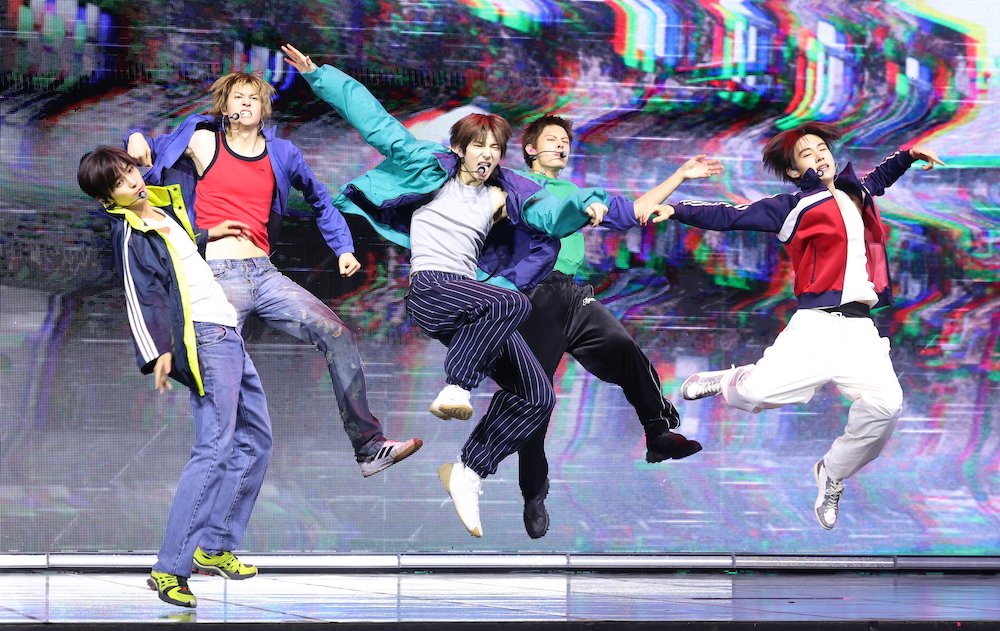
One thing about innovators is that their influence gets harder to see the further it spreads. But ask the artists themselves, and Tinashe’s name comes up repeatedly, especially in K-Pop — to the point that two members of BTS have literally had Tinashe as their screensaver. On the podcast "Chronically Online with Harry Daniels", Pentagon’s Kino was asked whether K-Pop groups look to Tinashe for inspiration. "It’s very obvious to get influenced by her [...] Dancing, singing, and acting, everything’s her," he said, before going on to call her "unnie", an affectionate Korean term for "older sister".
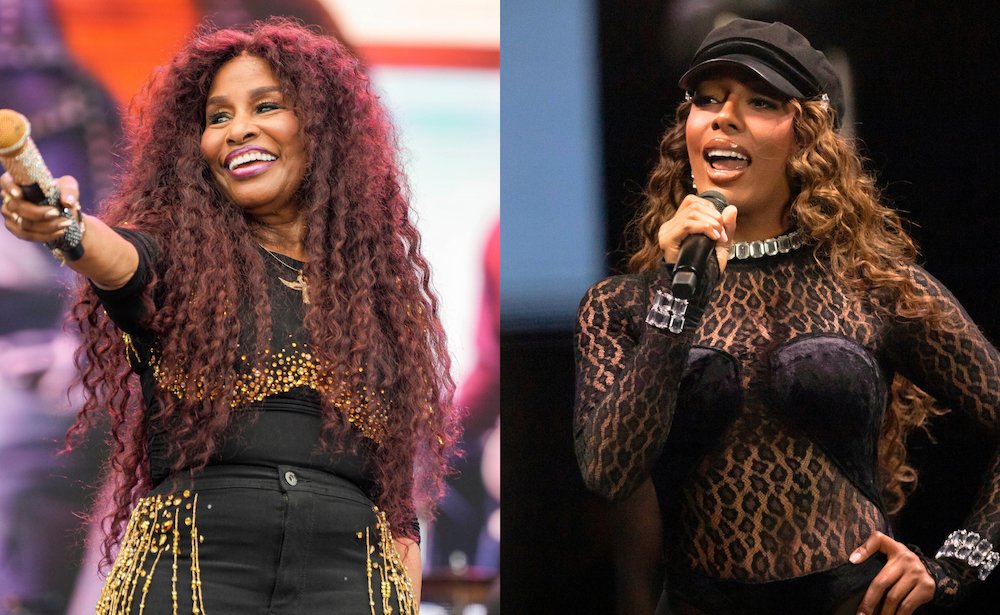
And the admiration isn’t limited to artists who came after her. Even Janet Jackson, one of Tinashe’s own idols, has returned the compliment. As Tinashe recalled to People, "I said she was an inspiration, and she said I was as well."
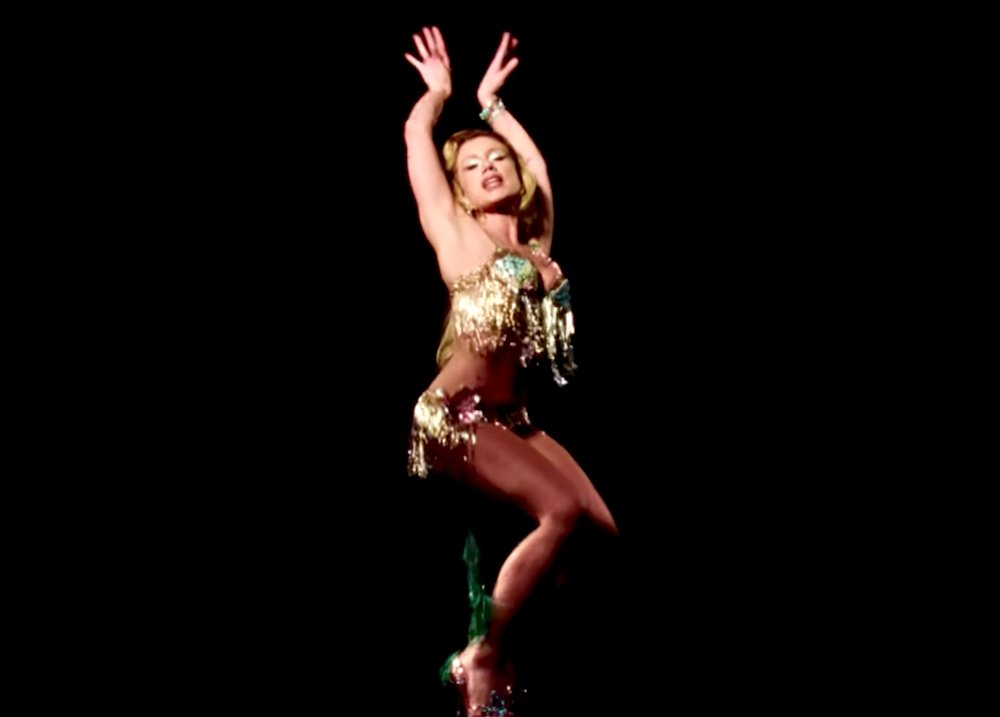
That history gives Popstar’s thematic fixation on recognition some context. On lead single "Too Easy", for instance, Tinashe toys with the idea that other artists are watching her. At face value, much of the song reads as an upbeat club banger about going out dancing with your girlfriends. But once you see the music video, which imagines Tinashe being cloned by a lineup of potential popstars, lyrics like "Hundred freaky girls up in the spot tonight / Twist it up and drop it like it’s hot tonight" start sounding like a stealthy metaphor for what happens to her ideas once they’re out in the world. Everyone gets their hands on them, twists them around, and puts out their own version. Tinashe makes her artistry look "too easy" — easy enough, apparently, for everyone else to mistake it for a replicable formula.
Elsewhere, her cockiness slips, revealing how much being overlooked still gets to her. "Empty Stadium" recalls a nightmare she’s had about performing to no one, unable to find an exit from the stage. "I put the work in and I waited / Don’t wanna die underrated," she confesses over production best described as tentative and nervous. The title track approaches that same frustration with a little more humor, filled with clever lyrical collisions between fantasies of stardom and a much less glamorous reality. "Gonna park my ‘Rari in my parents’ garage," Tinashe jests. Beneath the wit, though, the song is incredibly sincere. She addresses a lover who sees her as a luminary even while she’s constantly looking up, describing herself as "just a girl with the stars in her brown eyes."
For all her frustration with being underrated, Tinashe refuses to compromise her artistry for the sake of recognition. On "Twentyfive Eight", she declares, "If you win the rat race and you come in first place / Then you’re still a rat." While she does want to be noticed, she’s particular about what she wants to be noticed for and evidently bored by stardom if it’s not on her own terms. Getting here has been frustrating, but she doesn’t seem to consider the time wasted: "I like the pressure, it makes a diamond / Been motivated by perfect timing."
This might just be that perfect timing she’s talking about. But honestly? Tinashe has been shaping the pop landscape for a long time, whether you knew it or not. While mainstream acclaim matters to her (she’s told us as much), it would be a shallow reward if she had to become more conventional to earn it. With each project, she keeps topping herself and making her influence and her innovations harder to overlook. Popstar gives newcomers plenty to discover — and plenty to catch up on.