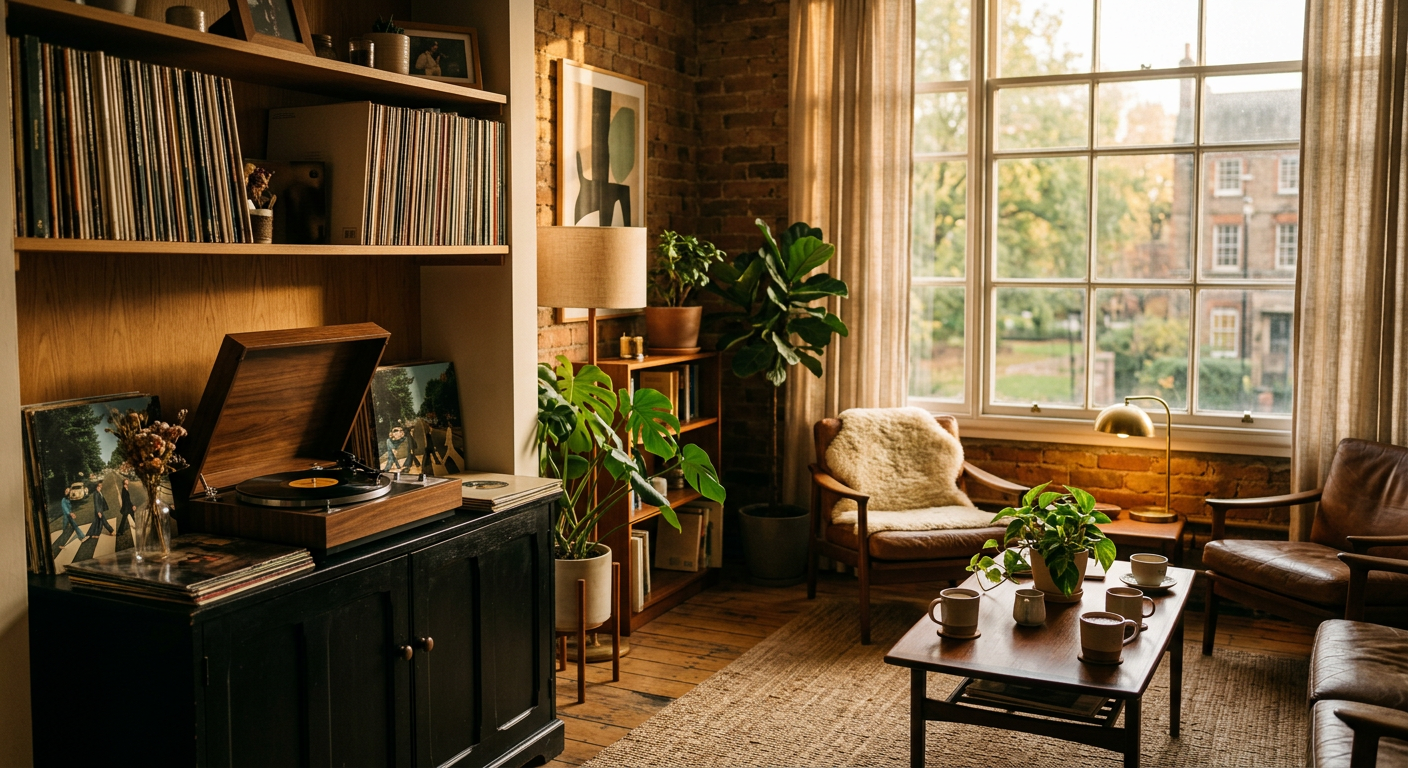


After years of isolation, Gen Z is rejecting the purely digital life. We explore the 'third-place revival,' a movement toward creating and celebrating real-life community spaces.
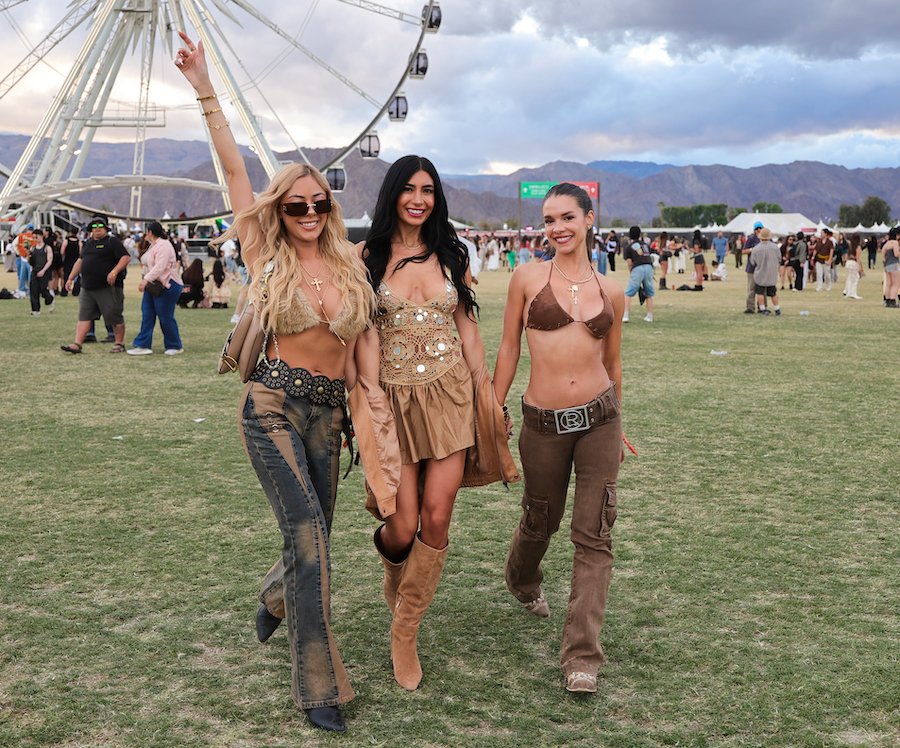
Here at Young Hollywood, we’ve been tracking a vibe shift that has nothing to do with a new album drop or a surprise series finale. It’s quieter, more local, and it might just be the most important trend of the decade. We’re talking about the great return to real life, a movement that’s seeing Gen Z ditch their doomscrolling for something far more tangible: community.
For years, the narrative has been about digital natives living their lives through screens. But a post-pandemic world has revealed the limits of a purely online existence. The convenience of connection through an app started to feel like a poor substitute for the real thing. Now, a counter-movement is taking hold, one built on the simple but radical idea of just… showing up.
The Great Unplugging
Let’s define the terms. A 'third place' is a spot that isn't your home (the first place) or your work (the second place). It’s the neutral ground where you go to unwind, connect, and just be. Think of the classic diner in old movies or the central coffee shop in a sitcom. For a while, it felt like these places were being replaced by the internet — your Discord server, your group chat, your favorite streamer’s comments section.
But something snapped. The isolation of the past few years created a deep hunger for uncurated, face-to-face interaction. The digital third place turned out to be a ghost kitchen version of community — functional, but lacking soul. Gen Z, the generation that was supposedly lost to the algorithm, is now leading the charge to find that soul again, not online, but on their own city blocks.
From Doomscrolling to Doing Things
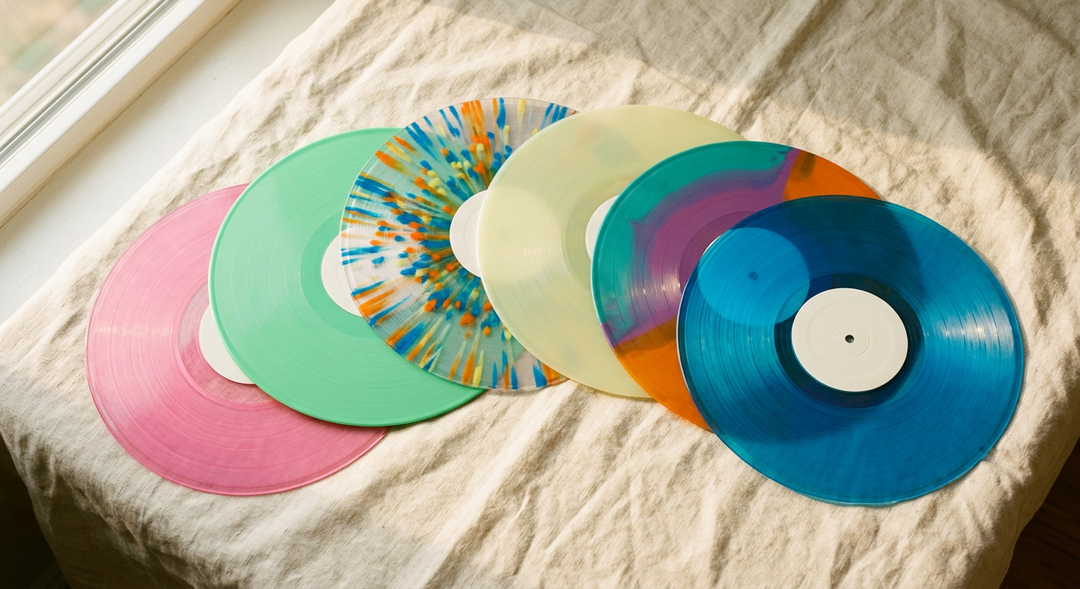
So what do these new third places look like? They’re incredibly diverse, but they share a common thread: intention. This isn't about stumbling into a generic chain establishment. It's about seeking out spaces designed for a specific kind of communal experience. We're seeing the rise of listening bars, where patrons gather in relative quiet to appreciate a curated vinyl selection. The focus isn't on shouting over a bad sound system; it’s on a shared sensory moment.
On the more active end, run clubs have exploded in popularity. They’re less about elite athleticism and more about social jogging, providing a low-stakes way to meet people while doing something healthy. You show up, you run (or walk), you grab a coffee after. It’s a simple formula that replaces the passive consumption of a fitness influencer’s content with active, real-world participation.
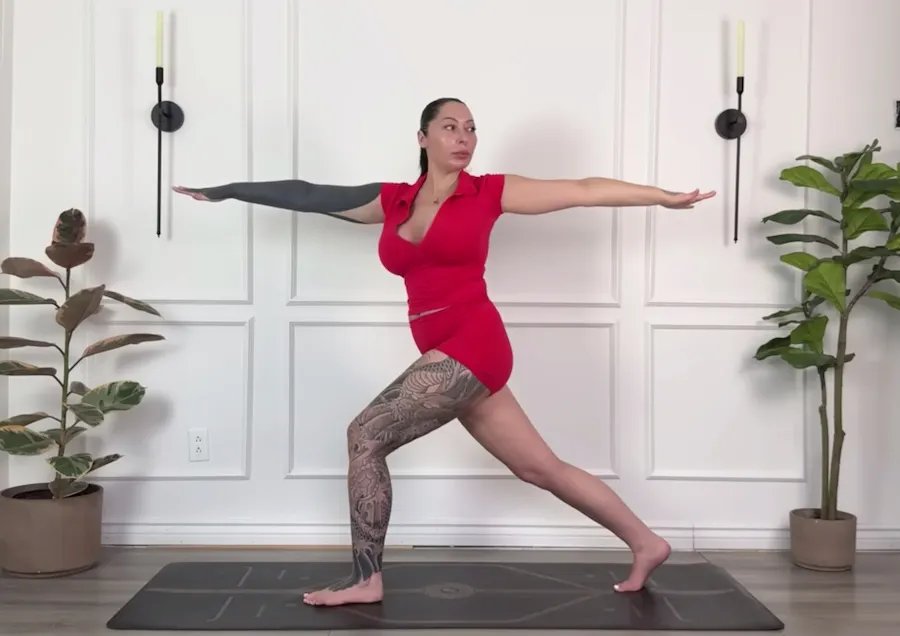
The same ethos applies to the boom in niche cafes and gathering spots. Think 'slow-coffee' shops where the process is part of the experience, or even urban neighborhood saunas where the point is communal wellness and conversation. It’s about creating a ritual around being together.
Community Over Content
This trend is a direct, if unspoken, critique of the influencer economy and the pressure to perform online. In a third place, you don't have to be a brand. You just have to be a person. The value isn't in the photo you post from the cool location, but in the conversation you have while you’re there. It’s a quiet rebellion against the idea that every experience must be documented and monetized to be valid.
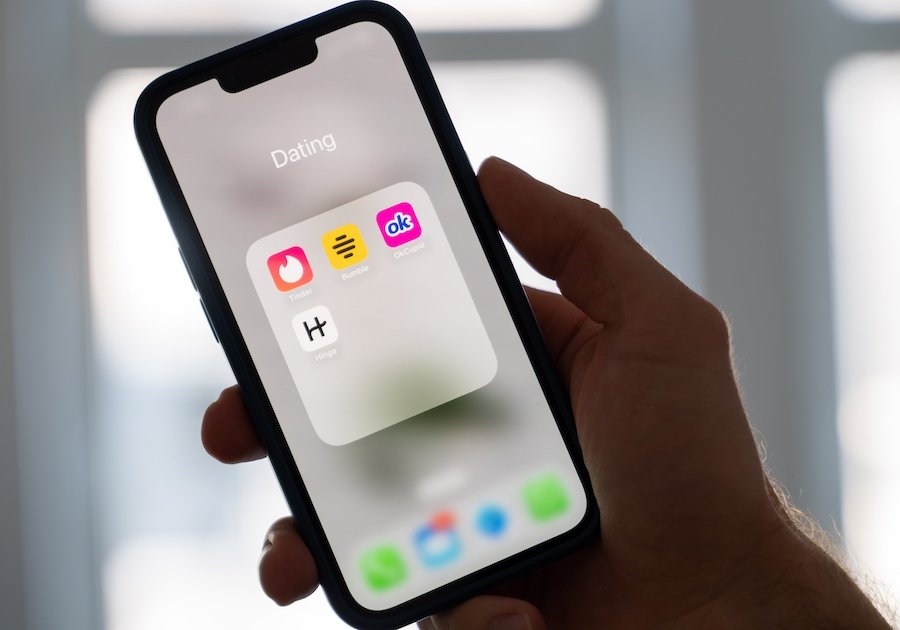
It’s a fundamental shift from building a personal brand to building a personal life. The goal is no longer to amass the most followers but to cultivate a rich network of local, real-world relationships. This isn't anti-technology, either. People often discover these clubs and spots online, but the platform serves as a directory, a means to an end. The end goal is always to close the app and go outside.
Why It Matters Now
For a generation that came of age amidst economic uncertainty and global upheaval, creating these pockets of stability and connection feels like a vital act of self-preservation. It's about finding belonging in a world that often feels fractured and isolating. These aren’t just hobbies; they are infrastructure for a happier, more connected life.
It’s also profoundly optimistic. Instead of waiting for top-down solutions to loneliness, young people are building their own, one run club and one listening bar at a time. They are investing their time and energy not into fleeting digital trends, but into lasting local bonds. It proves that no matter how immersive the metaverse gets, there is no substitute for the messy, beautiful, and irreplaceable experience of sharing a space with other human beings.
So the next time you see a group of people gathering for a seemingly niche activity, know that you’re not just seeing a hobby. You’re witnessing the front lines of the third-place revival, a quiet revolution that’s choosing community over content, and presence over performance. And frankly, it's the best trend we've seen in years.
On This Topic
UP NEXT TO READ



SHOP THE STORY