
A look back at how Lil Wayne reshaped hip-hop style across five distinct fashion chapters, from Southern streetwear to luxury skate wear.
Lil Wayne has spent more than two decades shaping the sound of modern hip-hop through an endless stream of mixtapes, chart-topping Tha Carter albums, and the launch of Young Money Entertainment. Alongside that massive musical output, the New Orleans rapper also established an instantly recognizable wardrobe that evolved radically with every release. His personal style refused to follow rigid trends, creating a distinct aesthetic journey that rewrote the rules of what a rap superstar could wear.
Across 293 stories published about Lil Wayne since 2009, Young Hollywood has documented how his fashion choices match his daring studio work. Whether sharing microphones on major tracks or headlining global arena tours, his visual identity has always carried total confidence. Watch our full sit-down featuring Trey Songz discussing their Chapter V collaboration alongside Lil Wayne and Rick Ross below.
The Cash Money Platinum Oversized Days
When Lil Wayne first broke onto national television screens as a teenage member of The Hot Boys under Cash Money Records, his wardrobe reflected pure late-1990s New Orleans bounce culture. Floor-grazing white tees, crisp bandana head wraps, and baggy camouflage cargo pants served as the uniform. Heavy platinum chains and diamond-encrusted medallions completed an ensemble built on unapologetic Southern swagger.
This look was functional and local, establishing his roots before global fame took over. The oversized sportswear silhouette became a recognizable hallmark of the early Cash Money roster, signaling a new regional powerhouse ready to take over the national charts.
The Carter Peak and Designer Streetwear Fusion
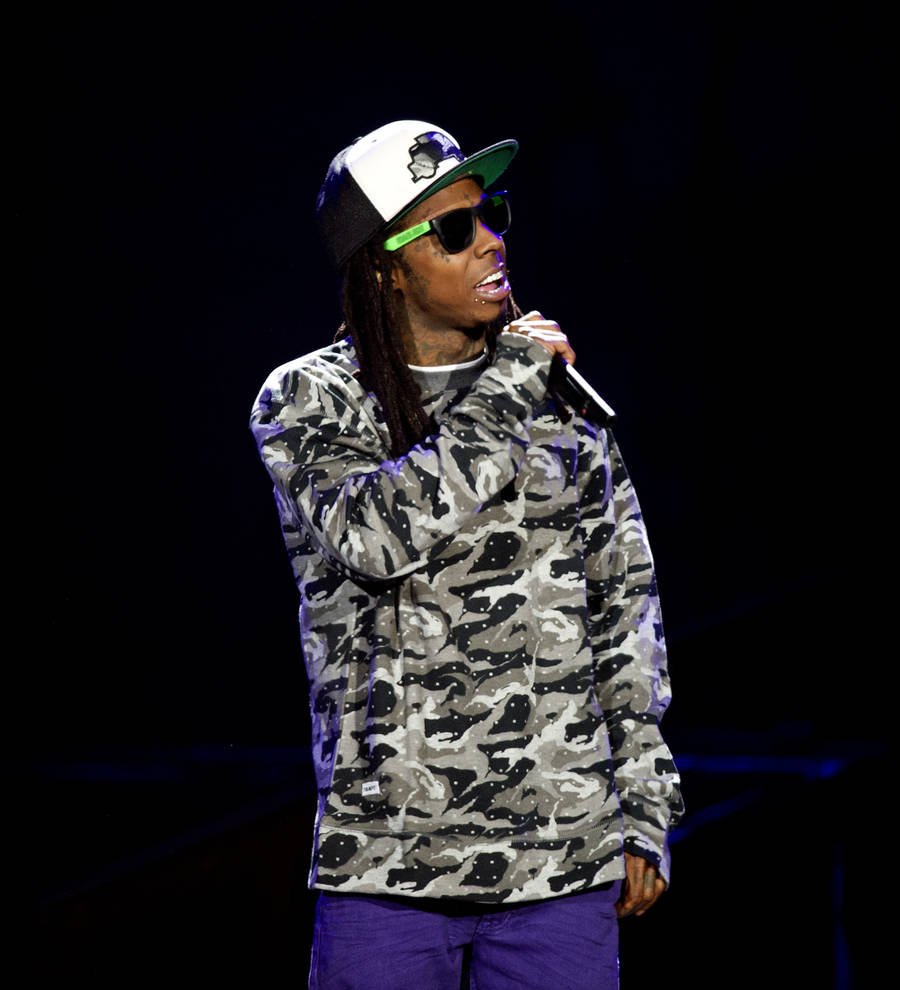
By the mid-2000s, as Tha Carter II and the groundbreaking rollout for Tha Carter III dominated the charts, Lil Wayne made a sharp pivot into Japanese streetwear and bright designer patterns. He became one of the most prominent musicians to sport A Bathing Ape full-zip camo hoodies, pairing them with tailored polo shirts, designer sunglasses, and custom fitted caps.
This phase bridged classic rap luxury with international boutique fashion. He traded monochrome athletic gear for saturated colors and luxury leather goods, proving that Southern rap could lead high-end fashion conversations.
The Skate Culture and Trukfit Pivot
Around 2011, Lil Wayne picked up a skateboard and completely transformed his wardrobe once again. Out went the standard designer polos, replaced by neon trucker hats, bold graphic tees, vibrant leopard-print denim, and chunky skate sneakers. He fully immersed himself in the skate park scene, eventually launching his own apparel brand, Trukfit, to bring that bright, irreverent look directly to his audience.
Carrying skateboards to award shows and performing in brightly colored animal patterns made him an outlier among his peers. The choice showed a total disregard for industry expectations, proving he would wear whatever fit his personal passions.
The Grunge Rockstar and Distressed Denim Shift
Following his experimental guitar-driven album Rebirth, Lil Wayne folded heavy grunge and heavy metal visual cues into his daily style. He embraced sleeveless leather vests, distressed tartan flannels, heavy combat boots, and layered silver chains. Tattered black denim and bandanas tied around his wrists brought a gritty backstage energy to his arena tours.
This rock-inspired wardrobe perfectly mirrored his high-energy live shows. He combined the spirit of vintage rock performers with the lyrical dominance of his peak mixtape run, creating a hybrid look that younger artists continue to adopt.
The Archival Luxury Icon Stage
In recent years, Lil Wayne has settled into an eccentric, luxury archive aesthetic. His current outfits mix oversized designer outerwear from European fashion houses with custom sunglasses, statement boots, and stacks of fine jewelry. He treats fashion like his discography: unpredictable, highly layered, and entirely unique.
From his early days in New Orleans to headlining music festivals worldwide, Lil Wayne has built an iconic wardrobe history on his own terms. His visual evolution stands as proof that genuine style comes from following your own instincts rather than chasing trends.
On This Topic