

Once a rare treat, the deluxe album is now standard practice in pop music. While more music is often a gift, the constant stream of variants and bonus tracks is leaving many listeners feeling overloaded.
There’s a new kind of exhaustion setting in across pop culture, and it has nothing to do with staying up all night to watch a surprise music video drop. Here at Young Hollywood, we’ve been tracking the phenomenon from the inside: deluxe album fatigue. What was once a rare and exciting treat—a few extra songs tacked onto a beloved album—has become an almost mandatory, and sometimes overwhelming, part of the modern music release cycle. The question on every fan’s mind is no longer if a deluxe version is coming, but when, and how many more will follow.
It’s a strange paradox. In an age of unprecedented access to our favorite artists, the sheer abundance of content can feel less like a gift and more like a homework assignment. The initial thrill of a surprise drop of The More Deluxe Edition has been replaced by a low-grade anxiety. Did you hear the three new songs? What about the acoustic version? Or the Target-exclusive vinyl with one different track? Keeping up isn't just for superfans anymore; it's the baseline expectation.
The Gift of More
Let’s be clear: the deluxe album boom didn’t happen in a vacuum. It started from a beautiful place. For a dedicated fan, getting a glimpse into an artist's creative process is pure magic. Songs that didn’t make the final cut, often dubbed “From The Vault” tracks or B-sides, feel like treasured secrets. They offer a deeper understanding of the album’s narrative, expanding its world and providing new layers to obsess over.
This model offers a genuine thrill. It extends the life of an album era, keeping the conversation going for months past the initial release week. An artist can use a deluxe drop to re-energize their fanbase, share a different side of their artistry with a stripped-back remix, or collaborate with another artist on a reimagined track. When done right, it feels like an encore to a concert you never wanted to end. It’s a generous act, a way of saying to the fans who have been there from the beginning, “Here’s a little something extra, just for you.”
When Abundance Becomes a Burden
But the line between a generous gift and a demanding obligation is getting blurry. The constant churn of new editions can quickly turn excitement into exhaustion. The joy of listening becomes a chore of consumption. For fans, especially younger listeners who build communities online, there’s an unspoken pressure to be a completionist. Not having heard the latest bonus track can feel like you’re falling behind in the fandom, unable to participate in the conversation.
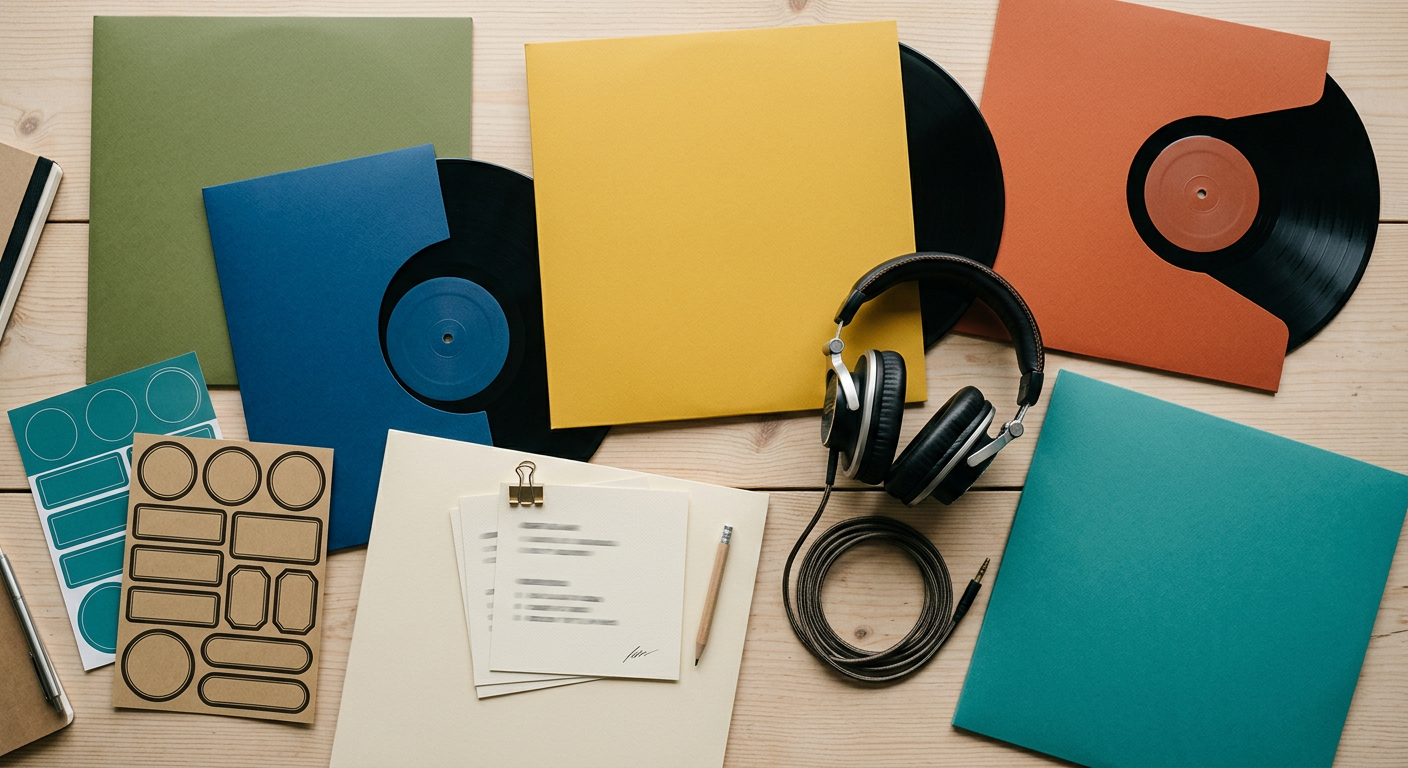
This feeling of being overloaded is compounded by the collector's market. With multiple vinyl variants, each with its own unique color or cover art, being a completist isn’t just time-consuming—it’s expensive. The strategy, while brilliant for boosting chart positions, can leave fans feeling like they're being marketed to more than they're being shared with. The relationship between artist and listener risks feeling more transactional.
The dopamine hit of “new music” is potent, but it has diminishing returns. A surprise song is exciting. A fourth version of that song in a month is… noise.
Finding the Signal in the Noise
What we’re seeing now is the inevitable correction. Fans are getting smarter and more discerning. They are learning to distinguish between a deluxe edition that genuinely enhances the original album and one that feels like a contractual obligation filled with B-tier tracks. The conversation is shifting. Instead of just celebrating more, listeners are celebrating better.
An artist who releases a concise, perfectly sequenced 12-track album with no filler is starting to earn a different kind of respect. There's a power in that kind of artistic confidence—in declaring that this is the story, complete and unedited. A deluxe track that feels essential, like a missing puzzle piece, will always be welcomed. But a song that sounds suspiciously like a cut-and-paste demo is being called out for what it is: filler.
This isn’t about fans being ungrateful. It’s the opposite. It’s because they care so deeply about the art that they want to protect the integrity of the album as a format. They cherish the original work and are becoming wary of anything that dilutes its impact for the sake of a few more streams.
Ultimately, deluxe album fatigue is a sign of a healthy, engaged, and incredibly passionate fandom. It’s a signal that listeners want more than just content; they want connection and curation. The artists who listen to this feedback, who treat their album eras as stories to be told rather than products to be endlessly iterated, will be the ones who maintain that deep, unshakable bond with their audience for years to come.
On This Topic
UP NEXT TO READ


MUSIC SHOP