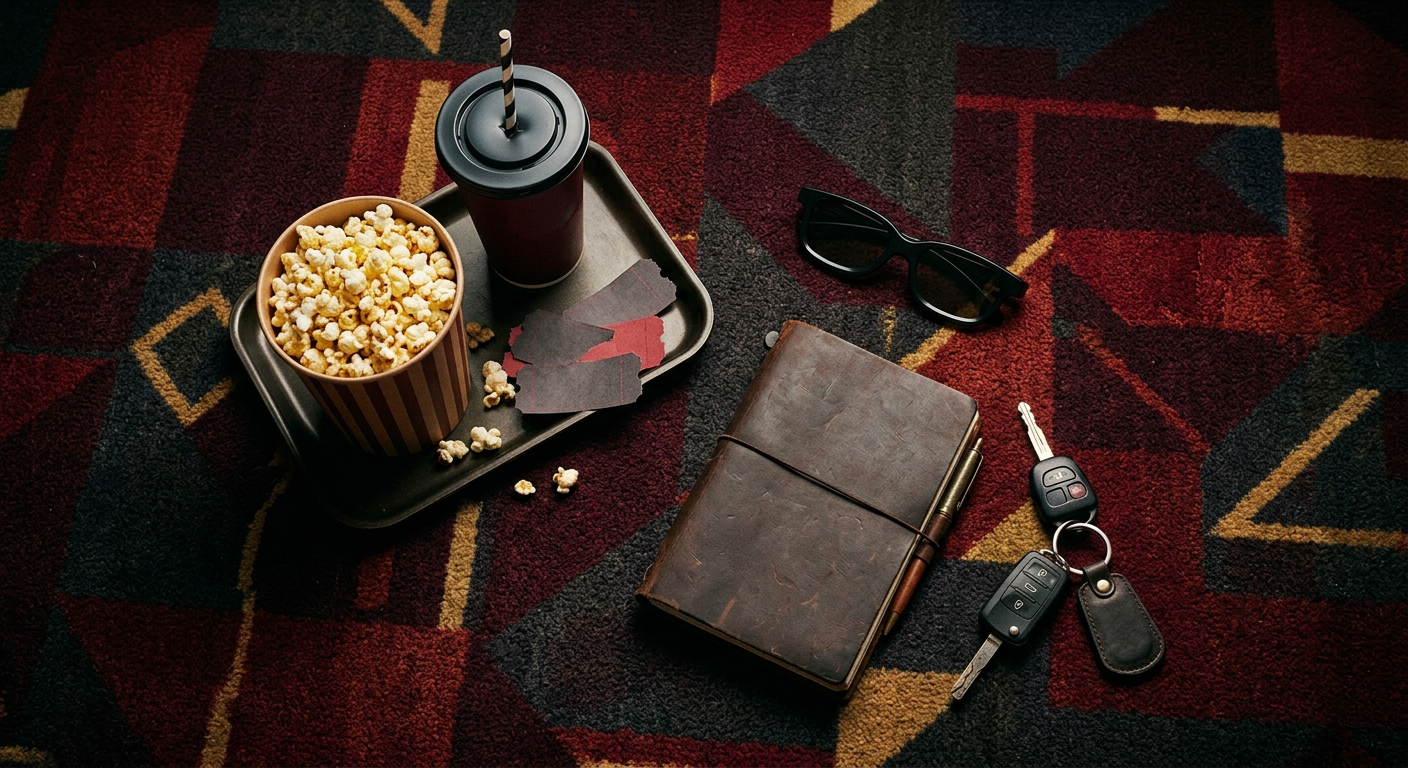


For a new generation, going to the movies is an interactive experience. The comeback of elaborate rituals is transforming the theater from a passive screen into a vibrant, communal destination.
Something is shifting in the multiplex. That quiet, almost sacred space of personal popcorn and solitary focus is giving way to a vibrant, communal energy. Here at Young Hollywood, we’ve watched the culture evolve, and it’s clear: the ritual of going to the movies is back, and it’s bigger, louder, and more stylish than ever. It’s not just about seeing a film anymore; it’s about participating in an event.
For years, the conversation was dominated by the convenience of streaming, which threatened to make the cinema a relic of the past. But an unexpected counter-movement has taken hold. Instead of treating the theater as just a bigger screen, a new generation is treating it as a destination, a venue for creating shared memories. The act of leaving the house is the point, and it now comes with a whole new set of unofficial rules and traditions.
The New Dress Code
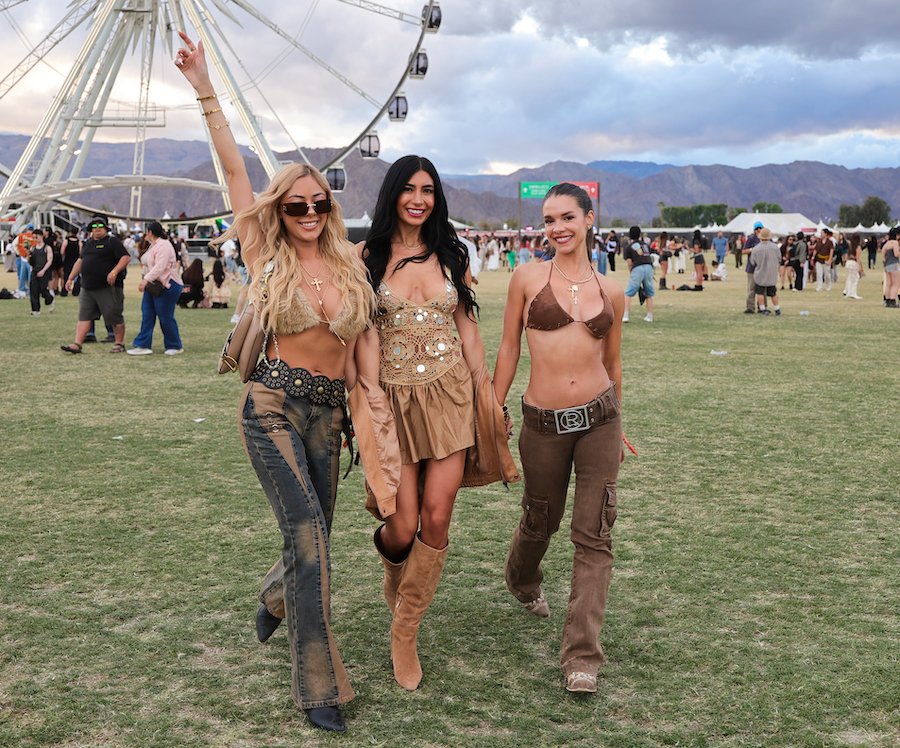
Forget just throwing on a hoodie and jeans. The modern movie outing often starts in the closet, with a new, unspoken dress code. We’re seeing coordinated outfits and subtle (or not-so-subtle) thematic looks become the norm. It’s part fan-tribute, part team-uniform, a way of signaling your allegiance and excitement before the opening credits even roll. A specific color palette, a certain silhouette—it’s a visual announcement that you’re not just a viewer, you’re part of a community.
This isn’t about high fashion; it’s about participation. It transforms a row of strangers into a collective, all in on the same joke or sharing the same anticipation. In an era where so much of fandom lives online in comment sections and forums, showing up in a designated outfit is a powerful, physical way to bring that digital community into the real world. It’s a statement that says, “We’re all here for the same reason, and we’re making a memory of it.”
Artifacts and Arenas
The experience doesn't stop at the wardrobe. The concession stand has become a treasure chest. Those collectible popcorn buckets and uniquely shaped cups aren't just vessels for snacks; they are artifacts. They’re limited-edition trophies from the event, tangible proof that you were there for the cultural moment. They are designed to be shown off, to live on a shelf long after the popcorn is gone, and, of course, to be posted online.
This desire for a premium experience extends to the auditorium itself. Choosing to see a movie in a premium format is another key part of the modern ritual. It’s a declaration that this particular film is worth the upgraded sound and the massive screen. It’s an investment in the spectacle. By committing to the best possible viewing environment, audiences are signaling that this isn't just passive content consumption. It’s an appointment with art, and they are demanding the best seat in the house.
The Digital Second Screen
Perhaps the most modern twist on theater etiquette is the rise of the group text. The old rule was to silence your phone and put it away. The new rule is to keep it on silent but very much in hand. For many, the running commentary in a private chat is an essential part of the viewing experience.
This isn’t about texting random friends or scrolling social media. It’s a dedicated backchannel for your specific movie-going crew, allowing for real-time reactions, jokes, and gasps without disturbing the people in the next row. It creates a shared layer of experience, a digital whisper network that enhances the sense of community. It connects friends watching in the same theater and even those watching in different states, uniting them all in a single, unfolding conversation.
The Parking Lot Post-Mortem
When the credits roll, the event is far from over. In fact, one of the most important parts of the ritual is just beginning: the post-film debrief. The theater parking lot has become the new forum, a space for immediate and passionate analysis. Groups huddle by their cars, phones out, scrolling through first reactions online while launching into their own.
This is where the plot holes are debated, the best scenes are relived, and the overall verdict is reached. It’s a live-action podcast recording, a book club meeting on fast-forward. This final act cements the film as a shared experience, a moment that was processed and defined together. It’s no longer enough to just see the movie; you have to talk about it, right then and there, when the emotions are still fresh.
Ultimately, this trend is a powerful rebuttal to the idea of an isolated, streaming-only future. It proves that the demand for communal experiences is stronger than ever. The ritual is the attraction. It’s what makes a movie more than just a movie. It’s a night out, an event, and a story you get to tell long after you’ve left the theater.
On This Topic
UP NEXT TO READ


WATCH & SHOP