


In a world saturated with hype, Gen Z is flipping the script. The soft-launch economy trades loud announcements for subtle hints, making mystery the ultimate marketing tool.
Scroll through your feed right now. Notice the artfully cropped photo revealing a sliver of a new partner’s arm? The cryptic, one-word caption on a creator’s post? The mysterious link in a bio that leads to a password-protected site? Here at Young Hollywood, we’re seeing it everywhere, and it’s time to call it what it is: the new normal. This isn’t just about being coy with a new relationship anymore. This is the soft-launch economy, and it’s quietly taking over every aspect of Gen Z’s public-facing life.
For years, the internet ran on hype. Think big, flashy announcements, countdown clocks, all-caps press releases, and influencers screaming “BIG NEWS, GUYS!” into their cameras. The goal was to generate as much noise as possible before a launch. But for a generation that grew up oversaturated with digital advertising and clickbait, that model feels less exciting and more exhausting. The soft-launch strategy is a direct rebellion against the attention-at-all-costs mandate of the old internet.
Mystery as a Marketing Tool
The core principle of the soft launch is simple: scarcity creates value. Instead of shouting from the rooftops, you whisper. You drop breadcrumbs. A new business might start as just an aesthetic-heavy Instagram account with no products, just a vibe. A musician might drop a demo on a private SoundCloud link shared only with their close friends. It’s a calculated move that turns a launch into a discovery.
This approach does two things brilliantly. First, it weeds out the casual followers and cultivates a core audience of true believers. The people who take the time to figure out what you’re hinting at are the ones who are truly invested. They feel like they’re part of an exclusive club, a secret they stumbled upon themselves. That feeling of ownership is far more powerful than any ad campaign could ever be.
Second, it builds immense curiosity. A loud announcement answers all the questions. A soft launch creates them. What is this? Who is involved? When is it coming? This slow burn of intrigue generates organic conversation and speculation that feels more authentic than a coordinated marketing blast. The buzz isn’t manufactured by a PR team; it’s built by the audience itself.
The End of the Hype Cycle
Let’s be real: the old way was risky. When you make a massive announcement for a new brand, a new album, or a new creative project, you’re making a public promise. You’re inviting scrutiny from day one. If the project underperforms or the launch is a dud, the failure is as loud as the initial announcement was. The internet’s memory is long, and the pressure to live up to self-generated hype can be crushing.
The soft launch is the antidote to this pressure. It’s a beta test for public life. It allows creators and entrepreneurs to gauge interest, get feedback, and pivot without the world watching. If the cryptic project doesn’t get any traction, it can be quietly abandoned with no public loss of face. No one even knew what it was supposed to be. It’s a built-in safety net for a generation navigating the precarious world of the creator economy.
This isn't a sign of non-commitment. It’s a sign of strategic intelligence. It’s about understanding that in a world where everyone is shouting, the most powerful statement is a confident, intriguing quiet.
From Relationships to Revenue
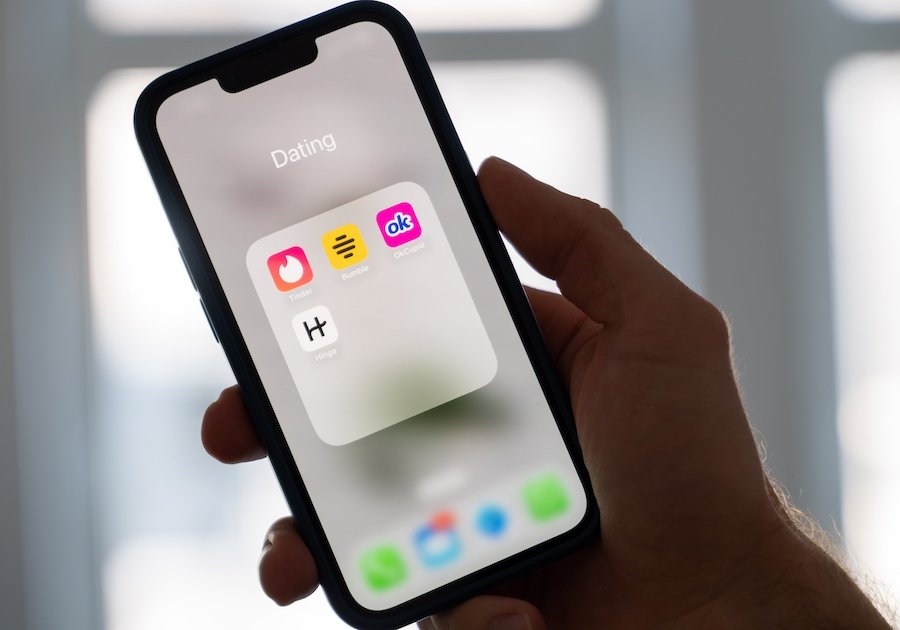
The language of the soft launch was born from dating culture. A photo of two coffee cups, a shot of the back of someone’s head, a reflection in a pair of sunglasses—these were the early signals. It was a way to test the waters of a new relationship publicly without inviting the immediate pressure and questions that come with a “hard launch,” or the classic “Instagram official” post.
Gen Z, digital natives to the core, saw the genius in this low-stakes, high-intrigue strategy and applied it to everything else. Today, the same tactics used to hint at a new boyfriend are being used to launch fashion labels, tech startups, and art collectives. The underlying psychology is identical: protect the fragile new thing from excessive scrutiny while building a narrative of discovery around it.
It’s a fundamental shift in the currency of cool. Status is no longer about having the biggest audience or the splashiest launch party. It’s about having a project so compelling that it doesn’t need to beg for attention. It’s about being the person who has something interesting going on, and if people are smart enough to notice, they’re welcome to come along for the ride.
So the next time you see a post that makes you squint and wonder, don’t dismiss it as vague. You’re likely witnessing the beginning of the next big thing, delivered not with a bang, but with a whisper.
On This Topic
UP NEXT TO READ



SHOP THE STORY