


Remember those little pocket-sized cameras that defined a generation? They're back. Gen Z is leading the charge, trading algorithmically perfect phone photos for the authentic, blurry, and flash-heavy vibe of a classic digital camera. It's not just about taking a picture; it's about capturing a feeling.
Look around at the next party, beach bonfire, or late-night diner run. You’ll see the tell-tale sign of the season’s most definitive vibe shift. It’s not a new filter or a viral dance; it’s a bright, concentrated flash followed by a tiny digital whir. Here at Young Hollywood, we’ve clocked the undeniable return of the point-and-shoot digital camera, and it’s officially signaling the start of a digital-camera-summer.
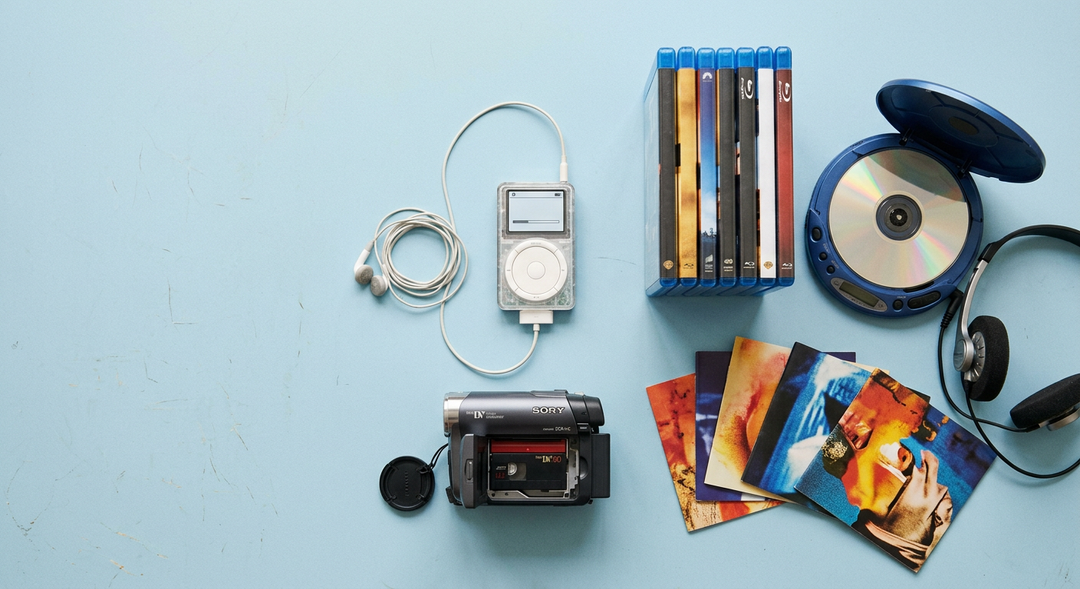
Forget the hyper-realistic, computationally-perfected images churned out by the latest smartphone. Gen Z is digging through their parents’ old drawers and scouring online marketplaces for the chunky, pocket-sized cameras of the Y2K era. The goal isn’t clarity; it’s character. It’s a full-on aesthetic rebellion against the tyranny of the too-perfect picture.
The Art of Imperfection
For the past decade, the arms race in phone technology has been about eliminating flaws. Night mode brightens the dark, portrait mode blurs the background with algorithmic precision, and built-in editing software smooths every pore. The result is often a technically flawless photo that, ironically, feels completely sterile and devoid of life. This new wave of digital camera enthusiasts is consciously choosing to step away from that.
They are embracing the so-called “flaws” that defined early digital photography. They want the harsh, direct flash that blows out highlights and creates dramatic shadows. They want the slight motion blur that captures the energy of a moment, not a frozen tableau. They want the weird color casts from questionable white balance and the grainy texture of a low-resolution sensor. It’s about choosing texture over the algorithm.
This isn’t about bad photography. It’s about a different definition of what makes a photograph “good.” It’s a picture that feels like a memory, not a data file. It’s the visual equivalent of listening to music on vinyl—the warmth, the crackle, the tangible connection to the medium itself is the entire point.
A Pocketful of Nostalgia
For a generation that grew up with the entire internet in their pocket, there’s a strange allure to the recent, yet technologically distant, past. The early 2000s are a source of endless fascination, and the digital camera was a key artifact of that time. It represents a different way of documenting life, one that was just on the cusp of the social media age but not yet fully consumed by it.
Owning a point-and-shoot is about more than just the photos it produces; it's about the entire ritual. It’s a single-purpose device. It doesn’t get notifications. It doesn’t scroll through feeds. It just takes pictures. The small, often-low-quality screen on the back means you can’t obsessively review and retake a shot. You take the picture and you move on, trusting that you captured the moment. The delayed gratification of having to upload the photos to a computer later adds to the magic.
It's a small, tangible object that feels deliberate to carry. It’s an accessory, a conversation starter, and a statement of intent: I am here to capture the feeling, not just the facts.
More Than Just a Filter
It’s easy to dismiss this trend as just another form of aesthetic posturing, something that could be replicated with an app or a filter. But that misses the point entirely. While filters try to mimic the look of a different era, using the actual hardware forces a different approach to photography. The limitations of the camera—the slow focus, the unforgiving flash, the lack of manual controls—are features, not bugs.
You can’t perfectly frame and compose when you’re pointing a small box in the general direction of your friends and hoping for the best. And that’s the beauty of it. It’s a surrender of control. The results are surprising, candid, and often more emotionally resonant than a perfectly staged smartphone portrait. It’s the difference between faking a vibe and creating one from scratch.
The camera itself becomes a participant in the memory-making, its technological quirks contributing to the final image in a way that a software filter simply cannot. The look is earned, not applied.
So as the days get longer and the nights get warmer, don’t be surprised if the glow of phone screens is replaced by the sudden, brilliant pop of a xenon flash. It’s a sign that the coolest people in the room are done chasing perfection and have started chasing a feeling instead. Welcome to the great digital camera revival.
On This Topic
UP NEXT TO READ



SHOP THE LOOK