Seth Rogen Tracks His Creative Journey Across Film
From early television breakouts to major studio comedies, the multi-hyphenate creator reflects on scripts and screen work.

Seth Rogen reflects on his screen work, longtime writing partnerships, and script choices across decades of hit comedies in a candid look at his ongoing Hollywood run.
From the YH Vault
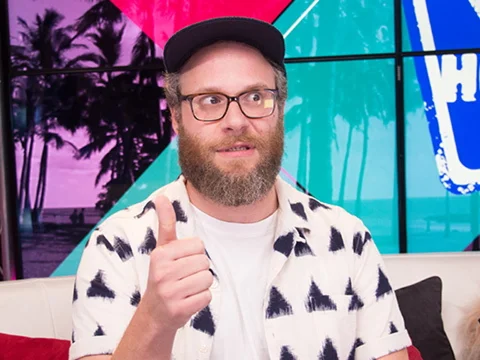
Watch our interview with Seth Rogen
Why Seth Rogen Can't Stand Cruises Unless It's For His Role in Like Father
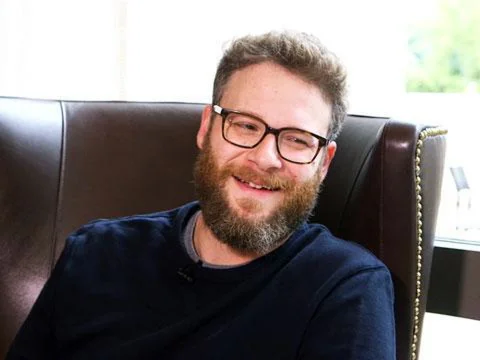
Seth Rogen sat down with Young Hollywood to break down his perspective on scripts, filmmaking, and the realities of working on set across an expansive career. The Canadian actor, writer, director, and producer has remained a fixture of big-screen comedy since his early television appearances, carving out a space that balances sharp comedic timing with substantial behind-the-scenes control. His path through the entertainment industry highlights how sticking to a specific creative sensibility can turn grassroots writing projects into massive theatrical releases.
Having tracked his trajectory across 162 stories published since 2010, Young Hollywood has watched his work expand from breakout performances to major producing ventures alongside his childhood friend and writing partner, Evan Goldberg. Whether discussing the specifics of shooting on location or unpacking what catches his eye on the page, Rogen brings a frank, unvarnished viewpoint to the craft. Watch our full sit-down with Seth Rogen below.
From Television Beginnings to Landmark Studio Releases
Rogen first caught public attention through key roles on television series like Freaks and Geeks and Undeclared. Those early collaborations established his comedic presence and paved the way for his transition into feature films. Supporting parts in Anchorman: The Legend of Ron Burgundy and The 40-Year-Old Virgin showcased his ability to deliver memorable lines in ensemble casts, setting up his leap to leading-man status in short order.
That breakthrough arrived in full force with the 2007 release of Knocked Up, directed by Judd Apatow, which established Rogen as a bankable lead capable of carrying a studio comedy. The same year, the release of Superbad, which Rogen co-wrote with Goldberg, demonstrated that his creative instincts resonated broadly with audiences. Following that success with 2008's Pineapple Express, which he also co-wrote and starred in, Rogen solidified a distinct comedic brand that blended fast-paced dialogue with genuine character relationships.
Script Intuition and Choosing the Right Material
When picking projects outside of his own writing room, Rogen relies heavily on his immediate reaction to the material. Discussing his role in the comedy Like Father, he explained how quickly a well-constructed story can win him over. "And this is a movie that when I read the script, I was like, oh, I would love this movie," Seth Rogen told Young Hollywood.
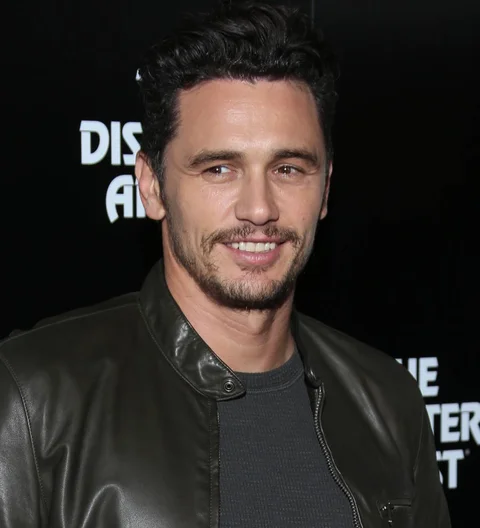
That straightforward approach to script selection has allowed him to weave between distinct comedic tones without losing the specific energy audiences expect from his performances. Instead of chasing trends, he focuses on scripts that make sense for his sensibility as both an actor and a seasoned producer who understands story structure from the ground up.
Perspectives on Filming and Personal Style
Working on location presents its own set of challenges, particularly when productions require non-traditional environments like cruise ships. Sharing his candid view of life on the water during production, Rogen offered an unforgettable description of the setting: "It was like a space station with a lot of people from Florida on it."
His self-deprecating humor often extends to how he views his own habits and mindset off camera. When assessing his outlook, Rogen did not hesitate to place himself far outside typical youthful archetypes. "I would say. I probably For sure, I'm 36 and my attitude is arguably that of a 79-year-old person," he said.
The Ongoing Expansion of Creative Control
Beyond acting, Rogen has built a sustainable model for creative longevity by keeping one foot firmly planted in producing and directing. His partnership with Evan Goldberg remains one of modern comedy's most consistent working relationships, proving that childhood creative bonds can withstand the pressures of commercial studio filmmaking.
By maintaining creative ownership over his scripts and expanding into broader storytelling formats, Rogen demonstrates how staying true to a personal comedic voice creates lasting staying power. His body of work reflects an artist who knows exactly what he wants to make, who he wants to make it with, and how to execute it on his own terms.
On This Topic