

The coolest style move isn't buying the latest drop, it's reinventing a thrift store gem. Welcome to the era of the thrift-flip, where personal style is the new luxury.
For years, the pinnacle of style was about access. It was about snagging the It-bag, owning the sold-out sneaker, or being first to wear a look fresh off the runway. But here at Young Hollywood, we’ve been watching a seismic shift in how the next generation defines what's cool. The new currency of style isn’t what you can buy; it’s what you can create. The era of the thrift-flip as a quirky hobby is over. Welcome to the age of thrift-flip-styling as a total fashion language.
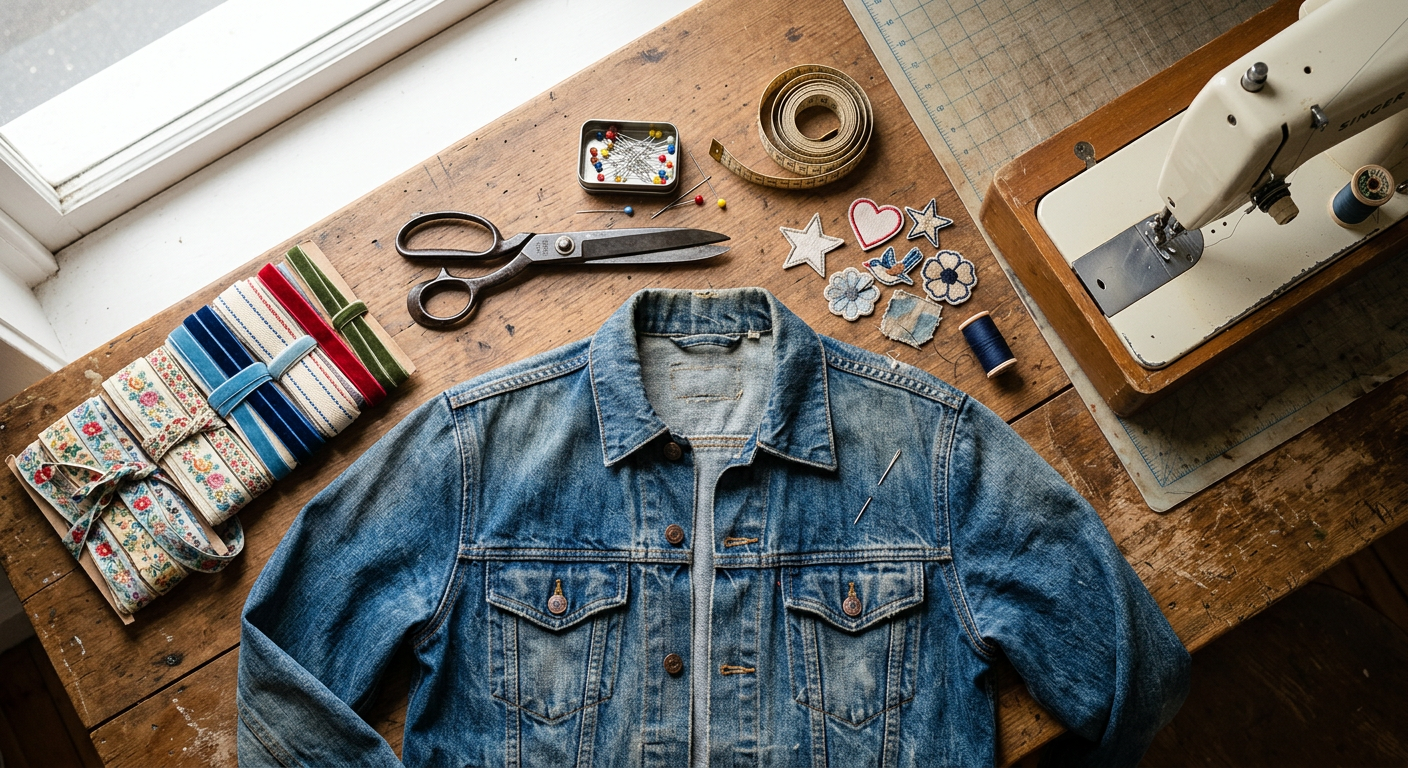
This isn't just about slapping a patch on a denim jacket anymore. We’re talking about a fundamental re-imagining of garments, turning forgotten relics into bespoke treasures. It’s a movement that values vision and individuality over brand names and price tags. The question is no longer, “Who are you wearing?” but rather a far more interesting, “How did you dream that up?”
From DIY Project to Design Philosophy
Let’s be clear: this has graduated from the world of quick-cut social media tutorials into a genuine styling ethos. While platforms like TikTok and Instagram certainly gave the trend a massive stage, its current form is less about step-by-step instructions and more about a point of view. It’s the difference between following a recipe and actually learning how to cook.
The new thrift-flip artist sees an oversized, forgotten men’s blazer and envisions a sharp, cropped jacket with a cinched waist. They find a plain white slip dress and see a canvas for a custom dye job, creating a watercolor effect that no factory could ever replicate. It’s an act of sartorial archaeology and artistry, digging up the potential in something discarded and breathing new life into it through pure creativity.
This approach completely short-circuits the traditional trend cycle. Instead of waiting for a brand to tell you what’s next, you decide. You become the designer, the tailor, and the tastemaker all in one.
The New Tools of Transformation
The grammar of this new language is surprisingly accessible, yet yields incredibly sophisticated results. Simple tailoring is at the forefront. Taking in the waist of a pair of vintage trousers or adjusting the shoulder on a blouse can make a ten-dollar find look like it was made to measure. The fit becomes the focus, a subtle but powerful signal of intention and care.
Then comes the magic of subtraction. Cropped hems are everywhere. A floor-grazing dress becomes a chic midi, a boxy old sweatshirt becomes a trendy cropped crewneck, and a standard button-down is sliced to hit perfectly at the waist of high-rise jeans. It’s a simple cut that totally alters a garment's silhouette and attitude.
But it’s not just about cutting things down. It’s also about adding delicate, personal touches. We're seeing an explosion of ribbon details, with stylists adding ties to the cuffs of a shirt, creating new closures on a cardigan, or weaving them into the straps of a tank top. And of course, there’s custom dyeing. A simple bleach pen or a bucket of vibrant color can turn a boring basic into a piece of wearable art that is definitively, recognizably yours.
The Ultimate Flex: Personalization Over Price
In a world saturated with logos and dupes, the idea of a “one-of-one” piece has become the ultimate status symbol. Having an item in your closet that literally no one else on the planet has is a flex that money can’t always buy. It speaks volumes more than a recognizable monogram because it communicates creativity, resourcefulness, and a strong sense of self.
This trend syncs perfectly with the growing desire for sustainability. It’s an inherently eco-conscious way to engage with fashion, extending the life of clothing that might otherwise end up in a landfill. But the motivation seems to have shifted from being primarily about eco-virtue to being about aesthetic control. The sustainability aspect is a fantastic, crucial bonus, but the driving force is the thrill of creation.
It’s a bold declaration against the homogeneity of fast fashion. When everyone can buy the same viral dress online, the person who shows up in a thrifted, tailored, and hand-dyed version of it automatically owns the room. Their outfit tells a story. It has a past, a present, and a point of view.
Ultimately, thrift-flip-styling is about closing the gap between who you are and what you wear. It’s a hands-on, deeply personal conversation with your clothes, transforming your wardrobe from a collection of purchased items into a gallery of self-expression. And in today’s world, that’s the coolest look of all.
On This Topic
UP NEXT TO READ
SHOP THE LOOK