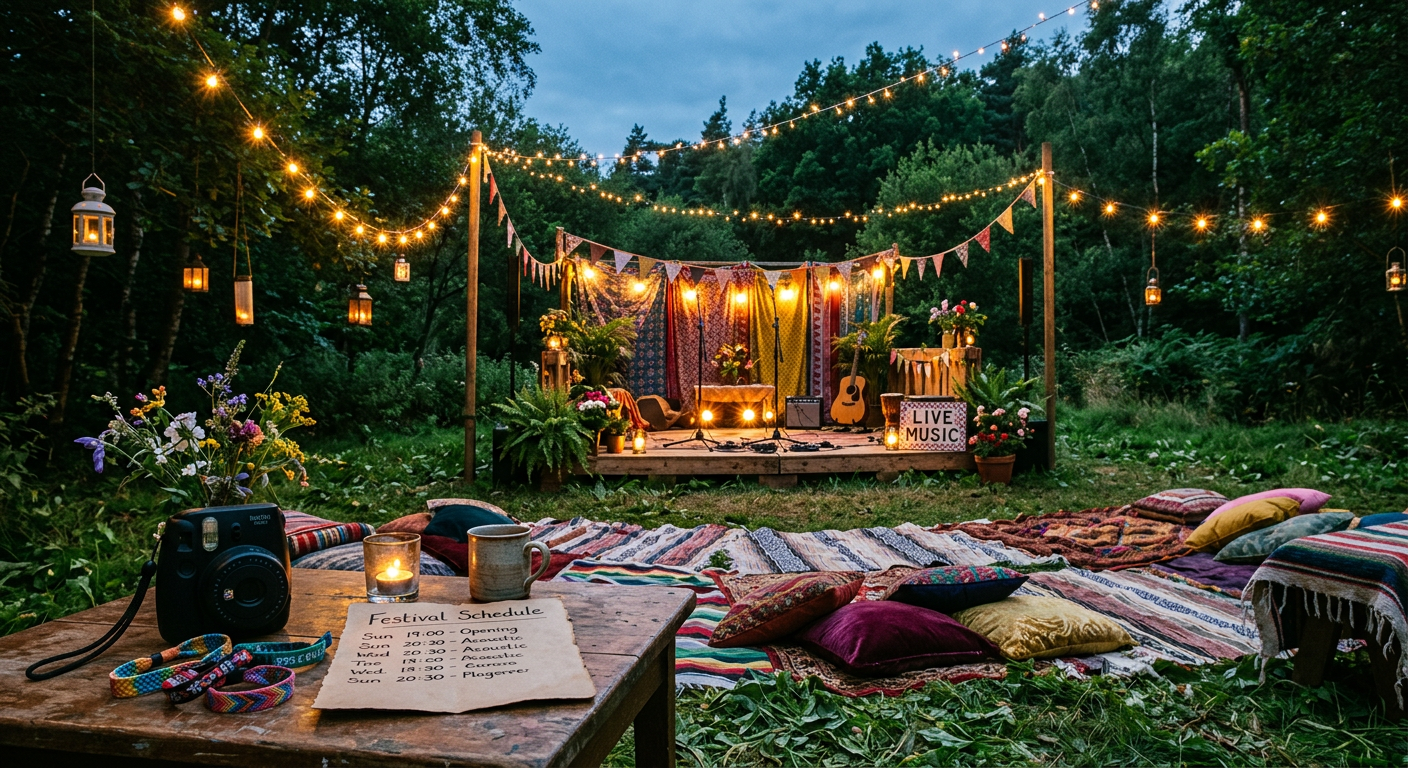


Mega-festivals are being challenged by a new wave of micro-events. For Gen Z, it's not about the size of the crowd, but the strength of the connection, the vibe, and the content.
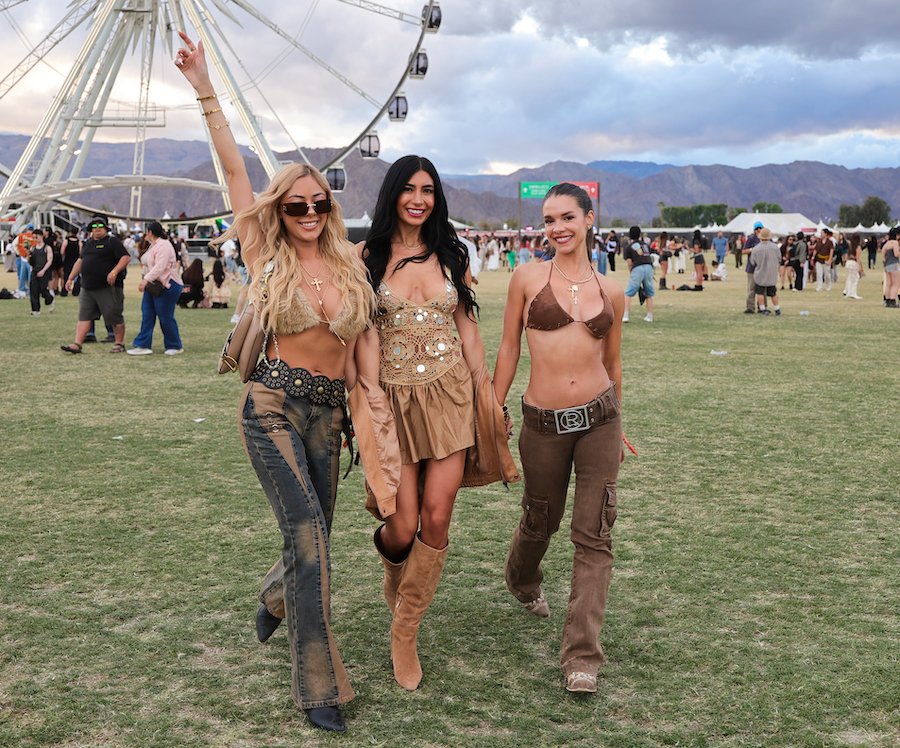
Picture this: a sea of 100,000 people, all looking at a stage a mile away. For a long time, that was the pinnacle of live music culture. But the tide is turning. The era of the one-size-fits-all mega-festival, while not over, is facing a powerful counter-current driven by a generation that values intimacy over immensity. Gen Z is leading the charge toward a new kind of gathering: the micro-festival.
This isn't just about logistics or soaring ticket prices. It’s a fundamental cultural shift. We’re moving from an economy of mass consumption to one of curated identity. The new status symbol isn't saying you were there; it’s about the quality of the experience you had, the community you were part of, and the unique story you can now tell. From exclusive album listening parties to city-specific pop-ups and niche creator conventions, smaller rooms are proving to have the biggest impact.
The Vibe is the New Headliner
For years, festival lineups were an arms race to see who could book the biggest names. But at a micro-event, the main attraction isn’t always a person on a stage. It’s the vibe itself. These events are meticulously curated around a specific aesthetic, a subculture, or a shared passion. Think of a pop-up dedicated to a single genre of electronic music, a gallery show celebrating a particular internet art movement, or a convention for fans of a niche podcast.
The draw is being in a space where everyone just gets it. You don’t have to explain your taste or compromise on the experience. The collective energy of a roomful of people who are all there for the same hyper-specific reason creates a powerful sense of belonging that a massive, genre-agnostic festival often struggles to replicate. The “who” in the crowd becomes just as important as the “who” on the bill.
If You Can't 'Gram It, Did It Happen?
Let’s be real: for a generation that lives and breathes online, content is currency. And at a sprawling outdoor festival, capturing good content is a nightmare. You’re either a tiny speck in a massive crowd, filming the jumbotron, or your audio is blown out by the bass from three different stages. The result is shaky, distant, and ultimately, impersonal.
Micro-events, by their very nature, are a content goldmine. Proximity is the key. Being just feet away from an artist during an intimate listening party or getting a perfectly lit shot at a curated installation means the quality of what you capture skyrockets. It transforms your social feed from a blurry diary entry into a high-fidelity broadcast. This isn't just about showing off; it's about sharing a genuine, high-quality slice of your life that looks as good online as it felt in the moment. The experience is designed to be documented, creating a symbiotic loop where the event promotes the attendee and the attendee promotes the event.
From Anonymous Crowd to Active Community
Ironically, being surrounded by thousands of people can be an incredibly isolating experience. You arrive with your crew, you stick with your crew, and you leave with your crew. The sheer scale of a mega-festival often prevents the kind of spontaneous social interaction that builds lasting bonds.
Smaller gatherings flip the script entirely. They aren’t just events; they’re networking hubs and community incubators. When you’re in a room with a few hundred people instead of a field with a hundred thousand, you’re far more likely to strike up a conversation, meet a fellow creator, or connect with someone who shares your passions. The barrier between performer and audience often dissolves, with DJs on the dance floor or artists mingling with fans.
This transforms attendees from passive observers into active participants. You’re not just consuming culture; you’re co-creating it in real time. These events foster a sense of shared ownership and camaraderie, making you feel like part of a scene, not just a customer.
So while the allure of a giant festival weekend will never fully disappear, the trend is clear. Gen Z is proving that the most memorable experiences don't require the biggest stages. It’s about seeking out spaces that offer a stronger identity, a more tangible connection, and a better story to tell. After all, why be a drop in the ocean when you can be the life of the party?
On This Topic
UP NEXT TO READ
MUSIC SHOP