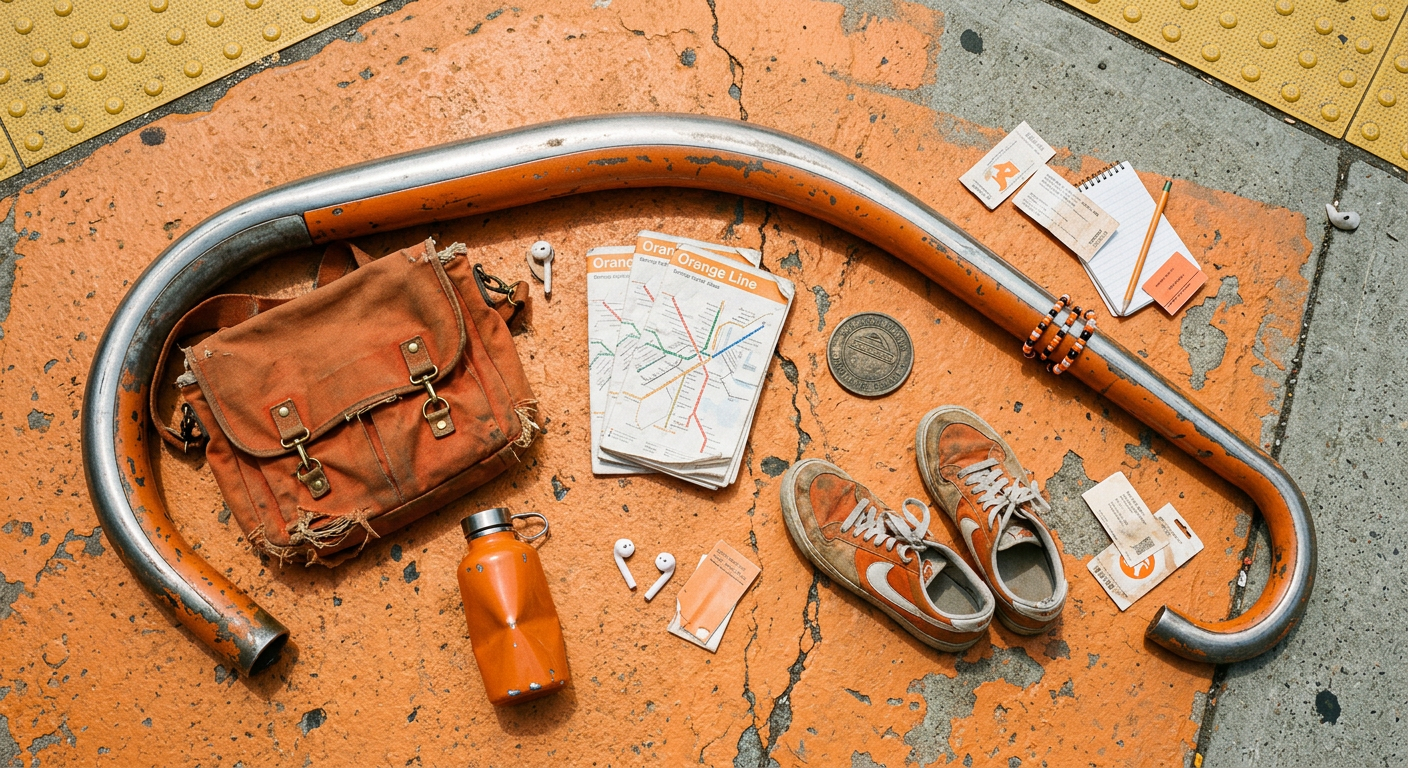


There's a new aesthetic bubbling up from the underground, literally. It's less about luxury and more about the authentic, sometimes chaotic, energy of everyday urban life, and it's taking over.
Every so often, a trend emerges that feels less like a marketing push and more like a collective vibe shift. Here at Young Hollywood, we’ve been tracking the rise of hyper-specific aesthetics that celebrate the real over the refined. It’s a movement that finds beauty in the mundane, the gritty, and the strangely cinematic corners of our lives. The latest and most potent example? A little something we’re calling Orange Line Core.
No, this isn't about a sudden obsession with the color orange or a new brand of streetwear. It’s an ethos named for Boston’s notoriously unpredictable subway line, a symbol of authentic, unpolished urban life. It’s the polar opposite of a pristine, influencer-curated vacation photo. Think blurry train window shots, the weird beauty of industrial landscapes, the shared, unspoken camaraderie of a delayed commute. It’s about romanticizing your own, unfiltered reality.
The Art of the Real
So what defines this aesthetic? It’s the opposite of aspiration. For years, social media feeds have been dominated by a singular vision of success: private jets, luxury hotels, flawless smoothie bowls, and an army of perfectly toned abs. It was a visual language that screamed, “My life is better than yours.” Orange Line Core is the quiet but powerful rebellion against that.
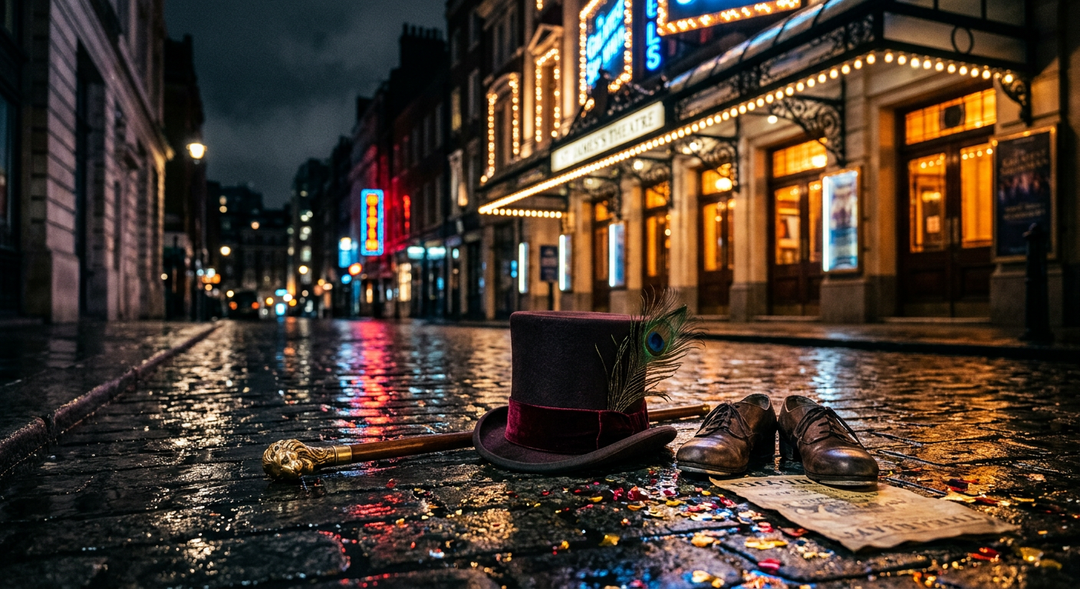
It’s about finding the main character energy in your everyday grind. It’s the feeling of listening to the perfect song as your train rattles over a bridge, the visual appeal of neon signs reflected in rain puddles, the specific energy of a city waking up or winding down. It swaps the highlight reel for the B-roll and declares that the B-roll was actually the most interesting part all along. This isn't about being messy for the sake of it, like some earlier grunge revivals. It's about seeing the world with an artist's eye, finding composition and story in places others overlook.
The focus is on texture, mood, and authenticity. It values the lived-in over the brand-new, the communal over the exclusive. It’s a sensibility that’s been brewing in indie films and art photography for years, but now it’s gone mainstream as a way for people to document their own lives.
The A24 Effect
If this all sounds vaguely familiar, it’s because you’ve seen its DNA in some of the coolest cultural products of the last decade. Look no further than a studio like A24, which has built an empire on telling stories that are grounded, specific, and often beautifully strange. The studio understands that authenticity is the most valuable currency with a young audience.
This philosophy extends to their marketing. As Young Hollywood has covered, when promoting a film like Marty Supreme, they don't just rely on traditional trailers. They do things like fly a giant blimp over a city—a weird, wonderful, and hyper-local spectacle that feels like an inside joke you’re lucky enough to be in on. It’s not an ad that’s yelling at you; it’s an experience that’s inviting you in. It doesn't feel like a corporation trying to sell you something; it feels like a cool friend letting you know about something interesting.
Orange Line Core is the user-generated version of that ethos. It’s people applying that same cinematic, slightly off-kilter lens to their own experiences. It’s a generation raised on A24 films deciding to direct the movie of their own life, casting their daily commute as a compelling opening scene rather than a boring obligation.
Why Now? A Rejection of Perfection
The timing for this shift is no accident. After more than a decade of filter-heavy, algorithm-driven perfection, there's a palpable exhaustion. Gen Z, in particular, is wary of being marketed to. They crave connection, not curation. They’re drawn to content that feels genuine, relatable, and, frankly, achievable. You can’t replicate a trip to Dubai on a whim, but you can capture a cool moment on your local bus route.
This trend is a form of digital placemaking. It’s about taking pride in your actual surroundings, not just the ones you aspire to visit. By finding and sharing the beauty in their own neighborhoods and routines, people are building a new kind of digital community—one based on shared reality rather than shared fantasy. It’s a powerful statement: my life, right here, right now, is worthy of being seen and celebrated.
While the name comes from Boston, the idea is universal. Every city has its Orange Line—that specific piece of infrastructure or that neighborhood that’s full of character but short on glamour. It could be the rumbling elevated train in Chicago, the sprawling bus system of Los Angeles, or the late-night energy of a specific corner in any town. It's about capturing a local truth.
Ultimately, Orange Line Core is more than just an aesthetic. It's a mindset. It’s a creative and deeply human response to a world that often feels too polished, too expensive, and too out of reach. It’s a reminder that the most compelling stories are often the ones happening right in front of us, if we only remember to look.
On This Topic
UP NEXT TO READ


SHOP THE STORY