

It’s more than just skinny jeans and smudged eyeliner. The indie sleaze revival is a full-blown attitude adjustment, offering an escape from today's polished, algorithmic world.
There’s a glorious, gritty mood shift happening, and if you’ve been paying attention, you’ve felt it too. It’s the return of smudged eyeliner, lo-fi party pics, and an attitude that values raw energy over polished perfection. Here at Young Hollywood, we’ve been tracking its comeback, from the resurgence of TV shows that defined the era to the return of some questionable denim choices. It’s called indie sleaze, and it’s more than a retro fashion trend; it’s a full-blown vibe.
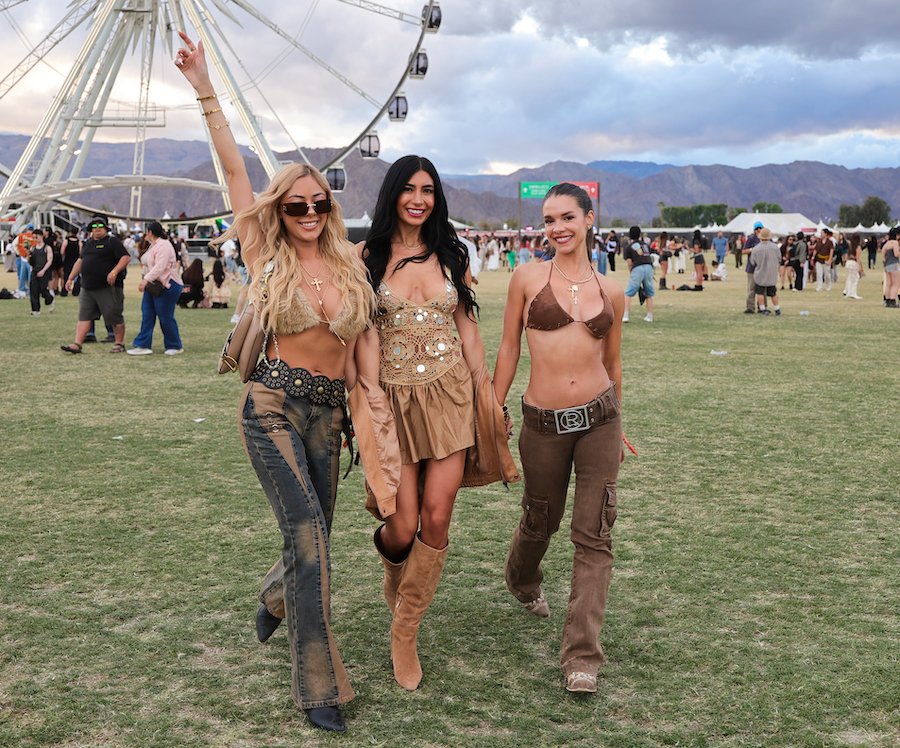
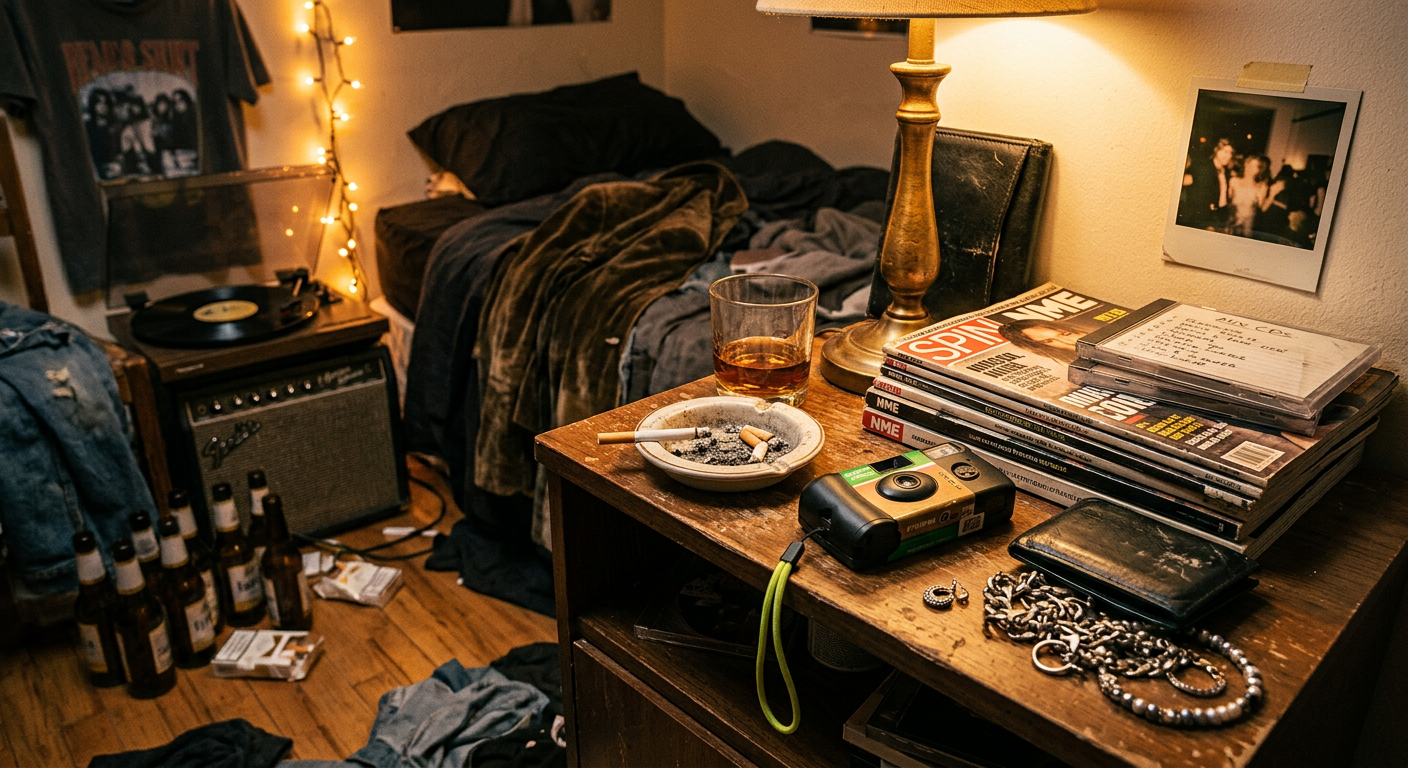
For those who missed it the first time around, indie sleaze was the dominant youth culture aesthetic from roughly the mid-2000s to the early 2010s. It was a time of American Apparel hoodies, deep V-necks, ripped tights, and a general air of art-school cool. It was a pre-influencer world, documented not by ring lights and 4K cameras but by point-and-shoots with the flash permanently on, capturing sweaty, blurry nights at indie rock shows.
The Allure of the Anti-Algorithm
So why now? The appeal for Gen Z lies in its chaotic authenticity. After a decade dominated by the hyper-curated, impossibly perfect Instagram grid, indie sleaze feels like a rebellion. It’s the antithesis of the meticulously planned photo dump and the choreographed TikTok dance. It celebrates the spontaneous, the unfiltered, and the slightly messy moments that feel more human.
This isn’t about looking 'bad' on purpose; it’s about decoupling self-worth from online validation. The indie sleaze look, epitomized by icons of the era like Effy Stonem from Skins or musician Sky Ferreira, wasn’t about being flawless. It was about being interesting. It was about having a story to tell, even if that story was just 'I stayed out too late and danced too hard.' That kind of casual confidence is magnetic to a generation raised under the pressure of digital perfection.
The aesthetic of the photography itself, pioneered by figures like The Cobrasnake, is a key part of the revival. The harsh, direct flash creates a sense of immediacy and unguardedness. It says, 'We’re here, right now, and we’re not posing for a brand deal.' In a world of soft filters and calculated casualness, that directness feels radical and refreshing.
More Than Just Skinny Jeans
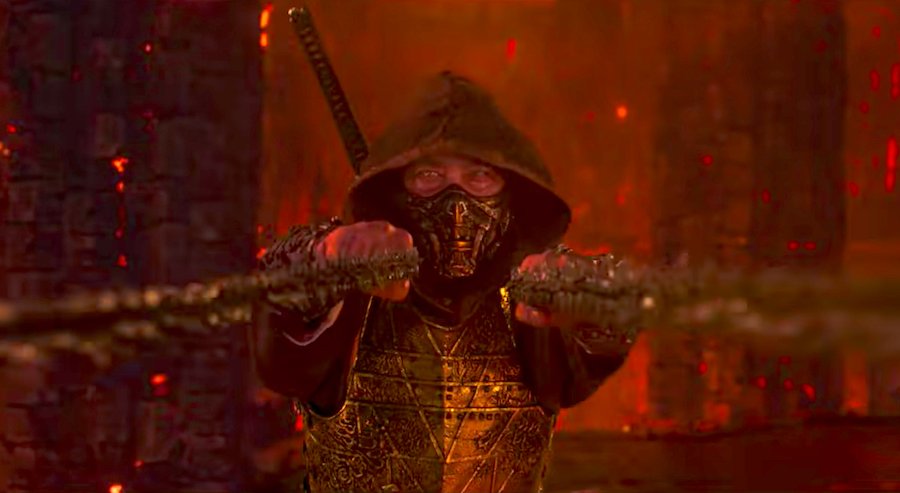
While fashion is the most visible part of the trend—yes, skinny jeans are creeping back from their exile—the revival runs much deeper. It’s a holistic nostalgia for the media and culture of the time. Think about the recent groundswell of excitement when The Hunger Games franchise returned to Netflix. That series, with its gritty dystopianism and tough-as-nails heroine, was a blockbuster cornerstone of the late indie sleaze period.
It taps into the same energy: a rejection of a glossy, oppressive system in favor of something more real and defiant. The cultural mood was darker, more cynical, but also more artistically adventurous. It was a time when bands could get famous from a blog post and movies weren’t just algorithm-tested IP extensions.
This revival is about reclaiming that sense of discovery. It’s about finding your new favorite band on a random playlist instead of having it served to you by Spotify, or getting obsessed with a TV show because your friends are, not because it’s trending globally.
A Longing for a Different Internet
At its heart, the return of indie sleaze is intertwined with a deep nostalgia for a different kind of internet. Specifically, the internet of Tumblr. As we’ve covered before, Tumblr was the social media hub of this era. It was less about personal branding and more about creative expression and community.
On Tumblr, you built your identity through a collage of reblogged images, song links, and GIFs. It was a curated world, but it was your curated world, often weird and niche. It fostered fandoms and subcultures in a way that felt organic and personal. For Gen Z, who grew up on platforms optimized for mass engagement and viral content, the idea of a semi-anonymous, aesthetically driven space is incredibly appealing.
The indie sleaze revival is a way of chasing that feeling. It’s about creating a personal vibe that isn’t for sale or for viral fame. It’s about prioritizing the party over the pictures of the party, even if you’re still taking the pictures.
Ultimately, this isn’t just Gen Z playing dress-up in their older millennial siblings’ clothes. It’s about adopting an ethos. It’s a desire for a life that feels a little less optimized, a little more unpredictable, and a whole lot more fun. It’s a reminder that sometimes, the most memorable moments are the blurry ones.
On This Topic
UP NEXT TO READ

SHOP THE LOOK