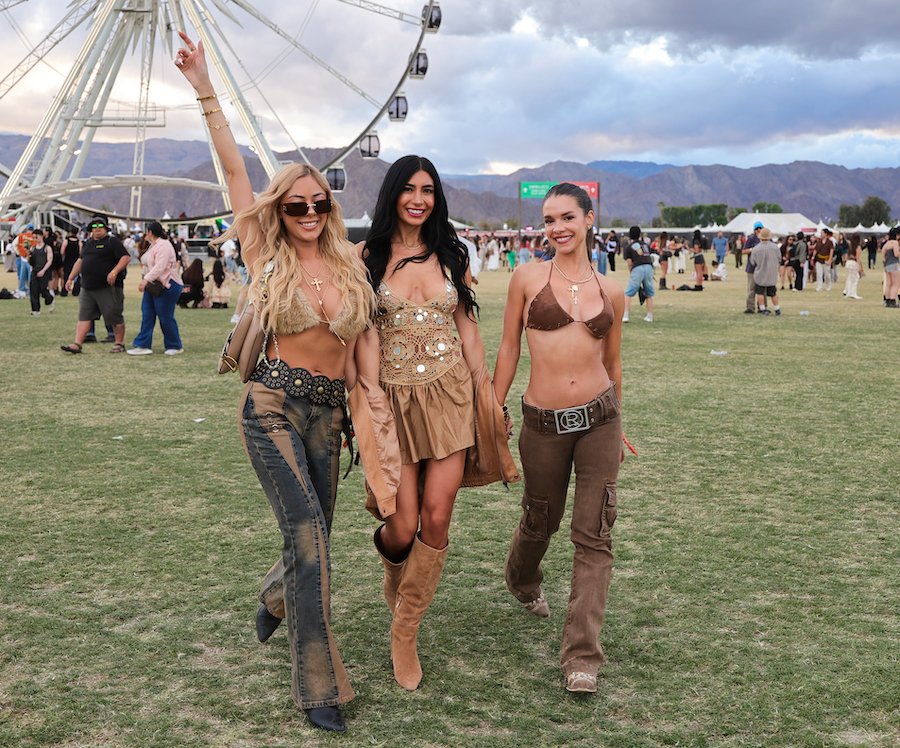
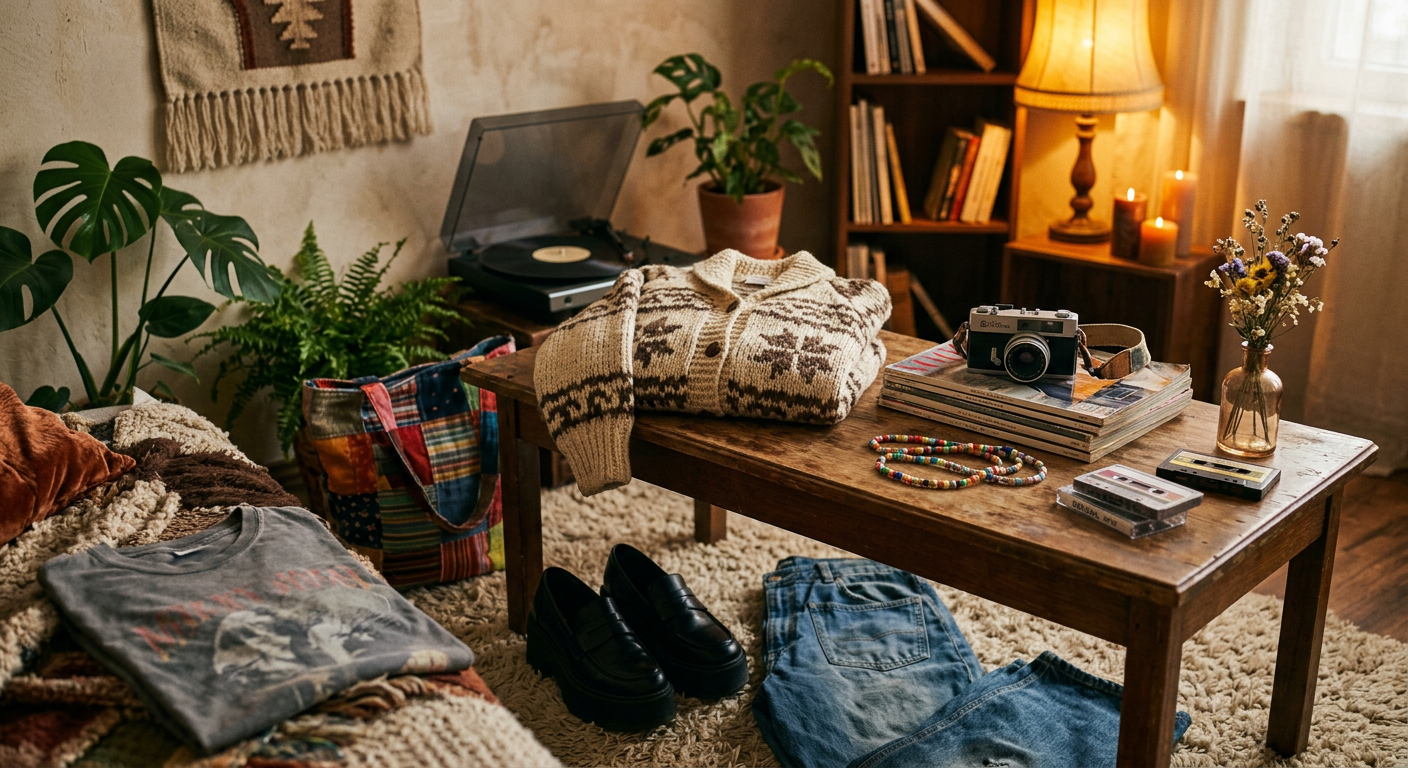


The fashion cycle is spinning faster than ever, with Gen Z pulling from the 2010s to define their look. It's less about nostalgia and more about building community at concerts, festivals, and sporting events.
Fashion works in cycles. That’s not news. But the speed of that cycle? It’s hit ludicrous speed. Here at Young Hollywood, we’ve seen how everything from concert culture to micro-festivals is shaping the way Gen Z experiences the world, and their fashion choices are a direct reflection of that. The past isn't just being referenced; it's being pulled into the present at a dizzying pace.
Forget the 20-year rule, where styles from two decades ago make a comeback. For Gen Z, nostalgia can be for something that happened five years ago. Think about it: looking back on the cast of Andi Mack already feels like revisiting a classic era, even though the show starring Peyton Elizabeth Lee and Sofia Wylie wrapped in what feels like the blink of an eye. This accelerated timeline is changing the entire landscape of what 'vintage' even means.
The Event Is The Epicenter
It’s no longer just about what you wear, but where you wear it. As we've covered, the rise of concert fashion has become its own main event, and the outfit is the ticket to belonging. Stadium tours have become massive, coordinated fashion shows where fans dress in specific aesthetics to match an artist's 'era.' This isn't just buying a t-shirt; it's a meticulously planned uniform that signals you're part of the tribe, a walking testament to your dedication.
It’s a powerful, visual way to build community in real-time.
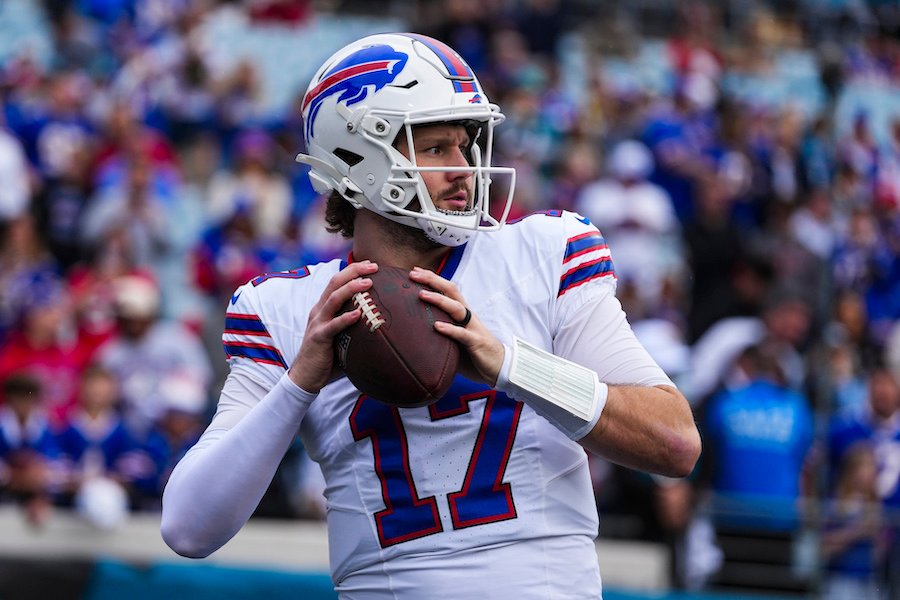
This phenomenon extends beyond music. We're seeing how live sporting events, like the US Open, are becoming the new appointment viewing for a younger generation. They offer unscripted drama, high stakes, and a shared cultural moment—the perfect backdrop to see and be seen. The stands are the new front row, and dressing for the occasion is part of the experience.
Monochrome Moods and Micro-Moments
The 'Monochrome Pop Girl Summer' is a perfect example of this in action. Dressing head-to-toe in a single hue isn’t just a style choice; it’s a strategy. It looks incredible on camera, creates an instantly recognizable 'vibe,' and ties directly into the tour culture dominating pop music. It’s about creating a look that’s both personal and part of a larger, unified aesthetic that looks incredible from the nosebleeds and on a phone screen.
But it's not all about mega-events. The pivot toward micro-festivals shows the other side of the coin. These smaller, more intimate gatherings prioritize a stronger sense of identity and community over massive, anonymous crowds. While the scale is different, the motivation is the same: to find your people and express yourself in a space that feels authentic. The curated nature of these events also provides better content opportunities—a more controlled environment to craft that perfect post.
Dressing for the Digital Self
Ultimately, this rapid-fire revivalism is about crafting an identity that works both online and off. An outfit isn't just for the party; it's for the photo dump, the TikTok transition, and the BeReal snap. Looking back at a show like Andi Mack isn't just about wistful nostalgia; it's about sourcing aesthetics from a time that’s both familiar and instantly codeable to your peers.
It’s a physical manifestation of an online identity. By adopting styles from the recent past, Gen Z is creating a visual language that’s rich with shared references, instantly understandable to those in the know. It turns personal style into an inside joke, a community password, and a main-character costume all in one. It’s about signaling that you not only like something, but you get it on a deeper level.
The New Definition of Throwback
So why are these revivals resonating so deeply right now? Because they offer a sense of belonging in a fragmented world. In an age of endless scrolling and algorithmic recommendations, choosing to dress like you're heading to a 2016 concert is a deliberate, grounding act. It’s a choice to opt into a specific, shared culture.
It connects you to a tangible moment in time and, more importantly, to other people who share that reference point. It transforms clothing from a passive consumer choice into an active tool for community building. The shared experience is the ultimate currency, and the outfit is the proof you were there, fully invested and part of the moment.
This isn’t just a rehash of old trends. It’s a remix. Gen Z is taking the building blocks of the very recent past and constructing something new, personal, and profoundly of the moment. They’re not just wearing throwbacks; they’re throwing it forward.
On This Topic
UP NEXT TO READ
SHOP THE LOOK