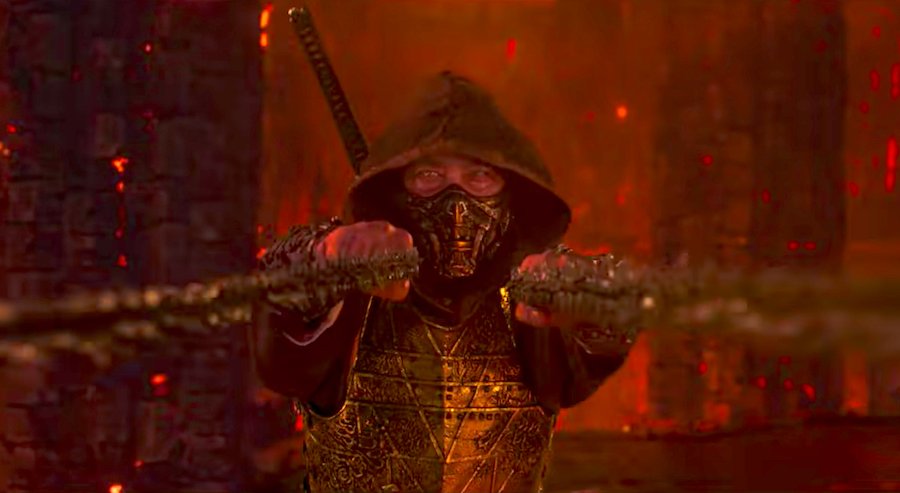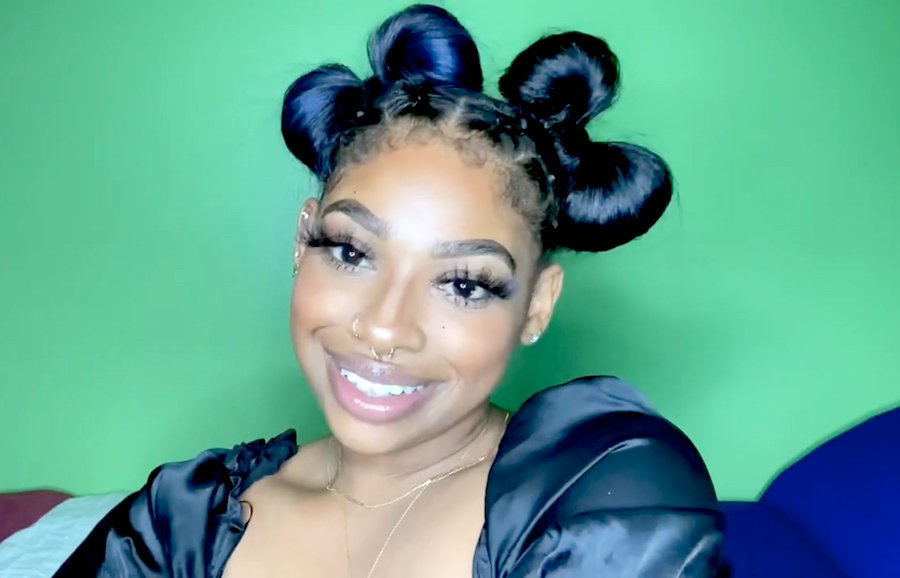

The jump cuts, slow-motion romance, and perfectly timed captions you used to only see in fan-made videos are now the standard for major film trailers and music rollouts.
If you’ve scrolled through social media in the last few years, you’ve seen them: lightning-fast montages of your favorite character, set to a perfectly chosen song, with cuts so sharp they could give you whiplash. For a long time, these fan edits were the exclusive domain of dedicated fandoms. But here at Young Hollywood, we’ve noticed something undeniable happening: the students have become the teachers. The visual language created by fans is no longer a niche hobby; it’s the new blueprint for how Hollywood sells its biggest projects.
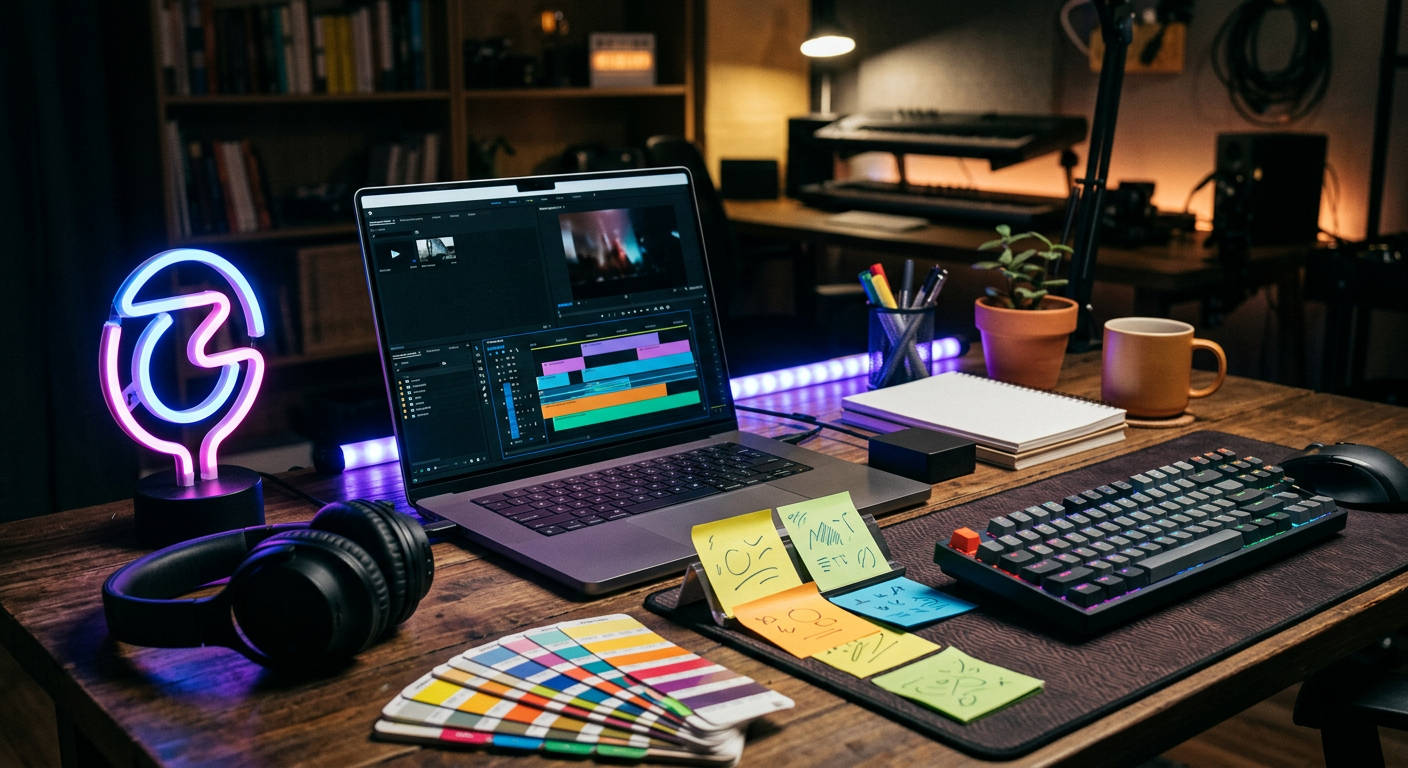
The aesthetic is unmistakable. It’s a grammar built on pure emotion and impact, honed over years in the digital trenches of fan communities. We’re talking about jarring jump cuts that sync with a beat drop, romantic moments slowed down to a syrupy, breathtaking pace, and dramatic color grades that transform a scene’s entire mood. It’s a style designed not just to be watched, but to be felt—instantly and intensely. And now, that very style is plastered all over official movie trailers, album rollouts, and multi-million-dollar social media campaigns.
The Grammar of Hype
Let’s break down the mechanics. The signature jump cut isn’t just about speed; it's about rhythm. It creates a percussive, hypnotic effect that our swipe-addled brains are uniquely trained to appreciate. When a trailer for a major blockbuster cuts rapidly between five different action shots in two seconds, it’s speaking the language of a fan cam. The same goes for those hyper-specific slowed moments. A lingering, slow-motion shot of two characters almost touching hands is pure fan-edit gold, designed to make your heart ache with anticipation. This isn't storytelling in the traditional sense; it’s feeling-telling.
Another key component is the careful use of color and text. Fan editors have long mastered the art of applying custom color grades to give their videos a specific, auteurist vibe—making a bright, poppy show feel dark and ominous, or vice versa. Now, official marketing materials are doing the same, moving beyond the standard studio gloss. And then there are the captions. Fan edits perfected the art of timing on-screen text to a character’s dialogue or a song’s lyric for maximum impact. It’s a technique that turns passive viewing into an interactive, almost conspiratorial experience between the content and the viewer. The pros have clearly been taking notes.
From Fan Cams to Film Campaigns
The pipeline has effectively been reversed. It used to be that fans would take officially released trailers and re-cut them into something more dynamic and emotionally resonant. They would fix what they felt the marketing department got wrong, zeroing in on the character dynamics and moments that truly mattered to them. They were, in effect, providing free market research on what aspects of a property resonated most deeply.
Now, the official campaigns are increasingly launching with content that already looks and feels like a fan edit from day one. There’s a profound understanding that to capture the attention of a younger audience, you have to speak their native visual tongue. This isn’t a case of corporate suits trying to be “cool and relatable”; it’s a genuine and strategic adoption of a proven method for generating excitement. They’re not just selling a movie or an album; they’re selling a feeling, a “ship,” a mood—the very things fan edits have always excelled at.
The result is marketing that feels less like an advertisement and more like a gift to the fans.
Teaching the Pros How It's Done
What this all points to is a fascinating power shift. For decades, the flow of influence was strictly one-way: from the studio to the audience. This trend shows that the creative energy and innovation bubbling up from fan communities is now flowing back upstream, directly influencing the decisions made in marketing boardrooms. Fans, armed with little more than consumer-grade editing software and an encyclopedic knowledge of their favorite media, have effectively developed a new and powerful form of visual communication.
This style was battle-tested on the platforms where Gen Z and Millennials live. It’s a language optimized for the short attention spans and emotional currency of the social media feed. An edit has mere seconds to grab you, convey a complex emotional idea, and compel you to share it. That ruthless efficiency is exactly what brands and studios crave in a fractured media landscape.
By adopting this aesthetic, the entertainment industry is acknowledging a simple truth: its most passionate fans are often its most brilliant marketers. They know what makes a character compelling, what moment will spark a thousand conversations, and how to condense an entire emotional arc into a 30-second clip. Instead of fighting it or ignoring it, Hollywood has wisely decided to learn from it.
This isn't just a fleeting trend of jump cuts and moody color filters. It’s a fundamental change in our media ecosystem. The line between the creator and the consumer has never been more blurred, and frankly, entertainment is far more exciting because of it. The next time you see a trailer that gives you chills with its perfectly timed cuts and slow-motion glances, just remember who wrote the playbook. The fans did.
On This Topic
UP NEXT TO READ
WATCH & SHOP