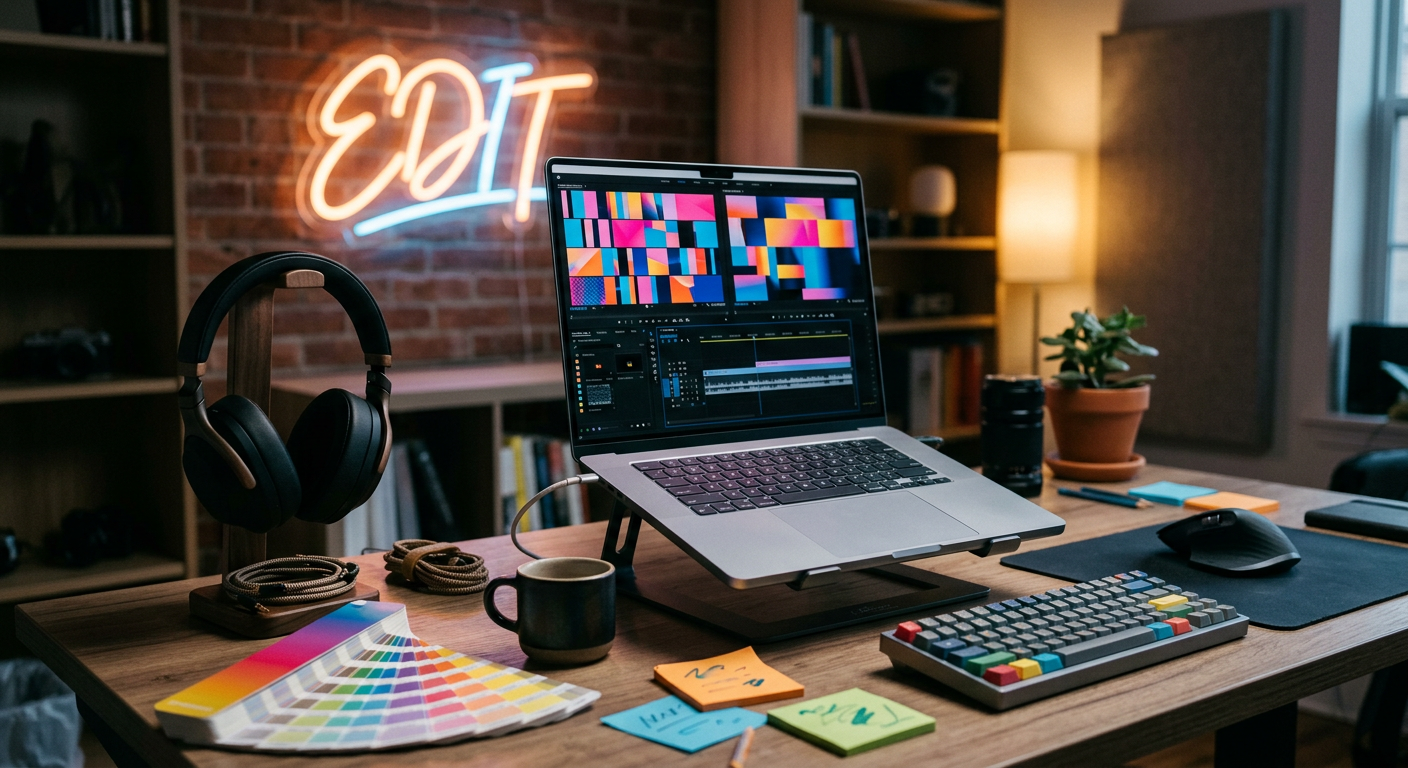

The fan-edit aesthetic—with its signature jump cuts, slo-mo, and timed captions—is no longer just for fandom. It's the new grammar of mainstream marketing, and Hollywood is taking notes.
If you've scrolled through social media lately and thought a slick new movie trailer looked suspiciously like something a superfan would have made, you're not wrong. Young Hollywood has been tracking the explosion of a visual style that was once the exclusive domain of online fan communities, and now it's everywhere. The era of the fan-edit aesthetic going pro is officially upon us.
For years, fan edits were a cultural currency exchanged in the digital back alleys of Tumblr, Instagram, and now TikTok. They were labors of love, crafted by devoted followers who re-cut footage of their favorite characters and celebrities, setting them to evocative music to create a new, emotionally heightened context. It was a way for fans to talk to each other, to say, “This is the part that really matters.” And now, the corporate world is listening.
Anatomy of the Aesthetic
So what defines the fan-edit look? It’s a grammar built on feeling, not narrative convention. First and foremost are the jump cuts, often synced with military precision to the beat or lyrics of a trending song. These aren't the gentle, invisible cuts of traditional filmmaking; they are meant to be felt, creating a rhythmic, almost hypnotic experience that pulls you through a montage of powerful moments.
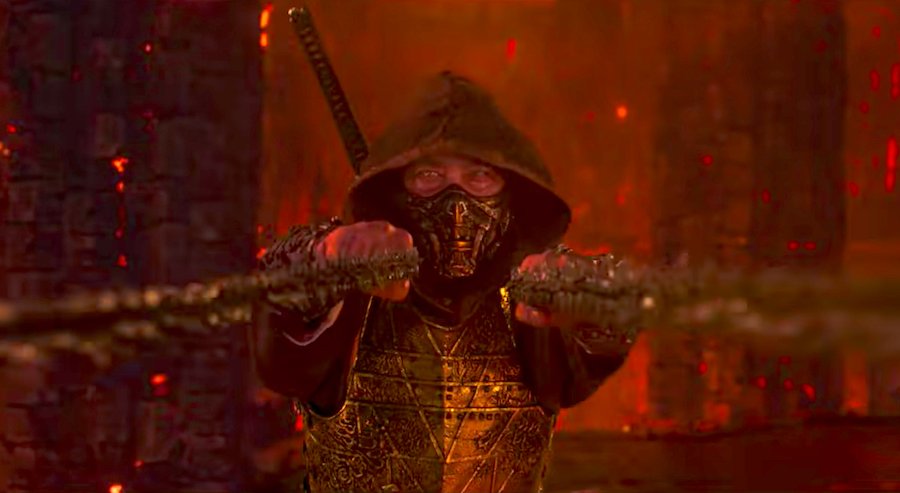
Then comes the strategic use of speed. A key feature is the dramatic slow-motion, lingering on a single tear, a heroic glance, or a near-kiss, amplifying its emotional weight a thousand times over. This is often paired with specific color grading. The source footage is transformed—sometimes desaturated and moody, other times bathed in a nostalgic, golden-hour glow—to create a consistent vibe that can be totally different from the original work.
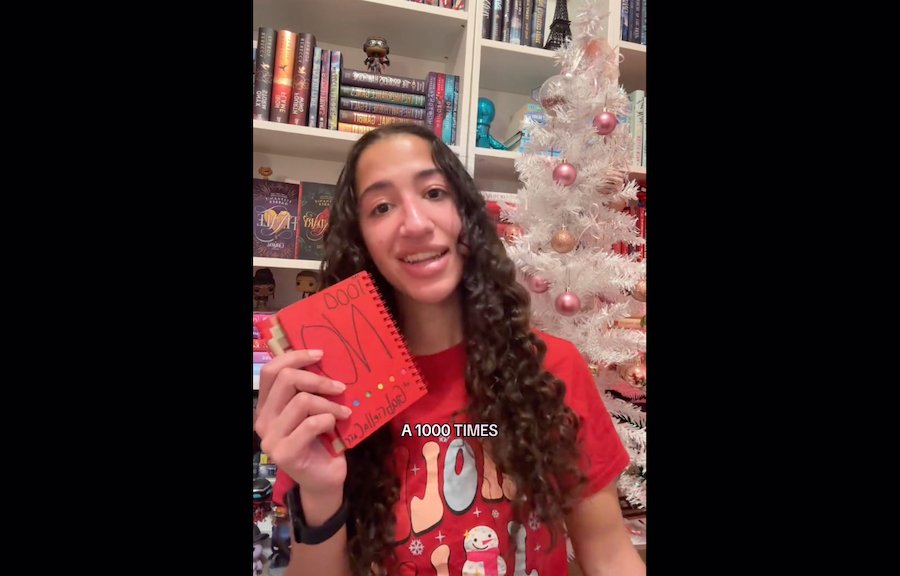
Finally, there’s the text. This isn't just closed captioning. It’s a core visual element, with words and phrases fading in and out, timed to the music and action. It’s the editor’s way of whispering in your ear, guiding your interpretation and underscoring the core theme of their mini-masterpiece. Combined, these elements create a potent, instantly recognizable style.
The Student Becomes the Teacher
For the longest time, major studios and record labels seemed to view fan creations as a cute, if legally murky, byproduct of popularity. But somewhere along the line, marketing executives had a collective lightbulb moment. Why spend millions on focus groups to figure out what resonates with an audience when the audience is already showing you, for free, every single day?
Fan edits are, in essence, the most compelling form of market research imaginable. The most-viewed edits reveal which characters have chemistry, which scenes are iconic, and which emotional beats land the hardest. They are a highlight reel of a project's best assets, curated by its most passionate consumers. It was only a matter of time before the professionals started copying the homework.
Now, official movie trailers and music video teasers are filled with the same quick cuts, the same slo-mo climaxes, and the same moody color palettes. They are, in effect, professionally produced fan edits. The industry learned the visual language of its audience by watching them from afar, and now it's speaking that language back to them to sell tickets and drive streams.
Why It Matters for Young Hollywood
This isn't just about a cool new look. This shift represents a fundamental change in the relationship between creators and consumers. It’s an acknowledgment that the most vital and influential cultural conversations are often happening in user-generated spaces, not in corporate boardrooms. For a generation raised on the internet, this visual language is native. It feels authentic and immediate in a way that slick, overly polished corporate advertising often doesn't.
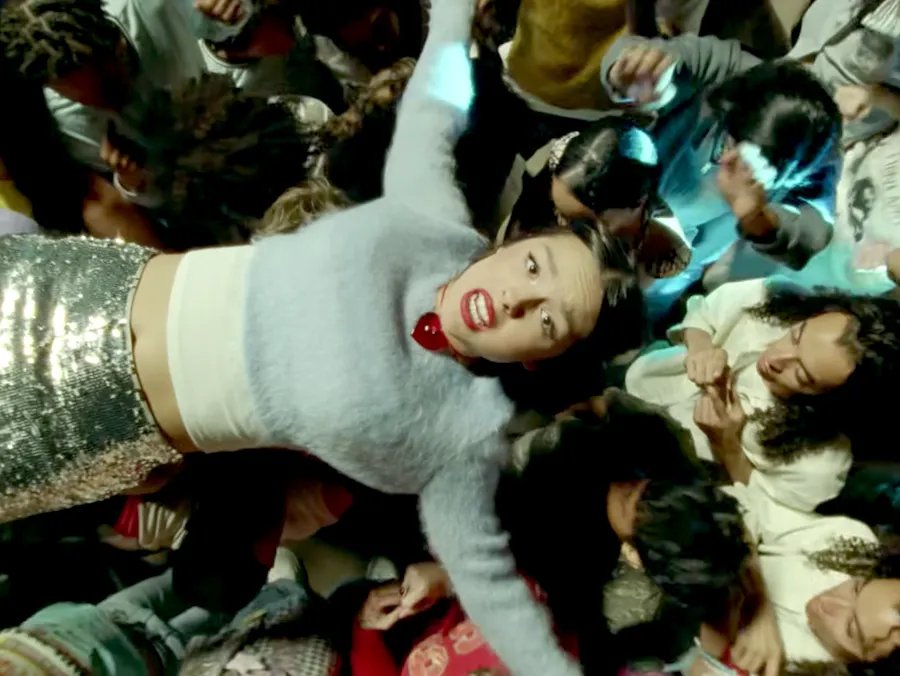
When a major pop star like Olivia Rodrigo or a blockbuster franchise like the Marvel Cinematic Universe releases a social media clip that uses this aesthetic, it’s a deliberate choice. It’s a signal that they “get it.” They are participating in the online conversation rather than just broadcasting to it. It’s a shortcut to relevance and a powerful tool for connecting with an audience that values authenticity and shared passion above all else.
The Fans Are the New Creative Directors
Is this trend just a passing fad? Perhaps. Visual styles are always evolving. But the underlying principle is here to stay: the blurring of the line between fan and creator. The tools for creating compelling content are more accessible than ever, and fandoms have proven they can move culture in profound ways.
By adopting the fan-edit aesthetic, Hollywood isn't just stealing a cool trick. It's paying tribute—consciously or not—to the passion and creativity of its own audience. The fans were the unpaid creative directors, the trend forecasters, and the beta testers for this entire visual movement. The industry just finally got smart enough to take the hint.
So the next time you see a trailer that gives you goosebumps with its perfect cut and flawless song choice, take a second. You’re not just watching a great piece of marketing; you’re watching the culmination of years of fan creativity, finally getting its long-overdue mainstream close-up.
On This Topic
UP NEXT TO READ


SHOP THE LOOK