
The American Music Awards 2026 arrived on November 6 with dynamic red carpet fashion featuring sharp tailoring, bold monochrome palettes, and liquid-metal evening gowns.
The American Music Awards returned on November 6, 2026, delivering an expansive showcase of red carpet style to launch the autumn awards cycle. Musical acts, styling teams, and creative directors brought fresh wardrobe concepts to the step-and-repeat, turning the arrival area into a dynamic runway of evening wear. The event highlighted how deliberate wardrobe choices set the visual tone for an entire broadcast before the first live performance even begins.
Red carpet presentations at major music ceremonies demand a balance between formal prestige and personal stage identity. Unlike traditional film festivals that often lean toward conservative black-tie conventions, the American Music Awards consistently encourage experimental cuts, unexpected fabric pairings, and custom runway collaborations. The 2026 edition maintained that standard with an array of looks prioritizing precision, proportion, and texture.
Architectural Tailoring and Reconstructed Formalwear
Tailoring proved to be one of the strongest visual themes of the night, with several guests stepping out in reimagined suits that pushed past standard formal conventions. Designers favored architectural shoulder construction, dropped lapels, and elongated hemlines that gave classic two-piece garments an entirely fresh geometry. These structured silhouettes created immediate visual impact against the step-and-repeat backdrop, offering a modern alternative to standard dinner jackets.
Relaxed suiting also made a significant impression, pairing wide-leg trousers with double-breasted blazers cut from heavy wools and dense crepes. Rather than relying on traditional collared shirts, several ensembles incorporated high-neck base layers, sheer knitwear, or open necklines that modernized the overall proportion. The emphasis remained focused on silhouette balance, precise seam placement, and crisp execution from top to bottom.
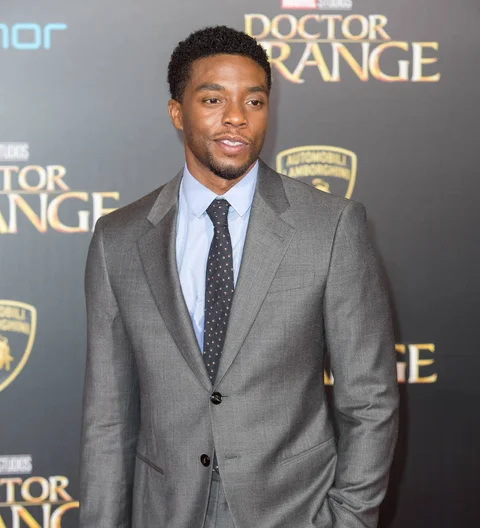
Minimalist accessories allowed these architectural suiting lines to stay front and center throughout the arrivals. Polished leather boots, discreet metallic brooches, and geometric rings provided subtle accents without distracting from the clean garment construction. It was an intentional exercise in styling restraint that highlighted the technical craftsmanship of modern tailoring.
Monochromatic Palettes and Tactile Fabrics
Color palettes across the carpet gravitated toward unified tonal dressing, with monochromatic styling dominating the evening's most sophisticated looks. Deep midnight tones, solid charcoals, and warm bone-white shades created striking single-color presentations from head to toe. This disciplined approach gave the entire ceremony a cohesive and elevated visual baseline that looked exceptional on camera.
To keep single-shade garments dynamic under bright flash photography, stylists turned to rich, tactile textiles that created natural contrast. Crushed velvet, supple nappa leather, structured satin, and layered organza added dimension to dark suits and floor-length dresses alike. The variation in light reflection gave depth to every movement as guests walked the carpet and posed for photographers.
Tonal layering extended down to footwear and outerwear, creating seamless columns of color that elongated silhouettes. By relying on fabric weight, grain, and natural drape instead of busy patterns, these ensembles proved that focused color stories can deliver runway-level impact without unnecessary ornamentation.
Metallic Finishes and Sculptural Evening Wear
High-shine finishes provided an energetic contrast to the evening's matte tailoring, bringing reflective surfaces and polished hardware to the arrival line. Gowns and custom separates incorporated metallic thread weaves, liquid-metal laminates, and structured chainmail elements that captured the venue's studio lighting with brilliant clarity.
Sculptural shapes defined the evening's standout gowns, featuring asymmetrical necklines, cinched bodices, and sweeping floor-length trains. These garments relied on internal corsetry and precise drapery to hold their form while moving gracefully down the red carpet. High collars and sculpted hemlines added an intentional sense of grandeur to the music celebration.
Stylists paired these reflective gowns with sleek, pulled-back hairstyles and glowing makeup, ensuring the garment's finish remained the central focus of the look. The balance between hard metallic sheen and fluid, cascading fabric created a commanding visual presence that stood out across the full evening of arrivals.
The November 6, 2026 presentation of the American Music Awards proved once again that red carpet fashion remains integral to music industry storytelling. From sharp structural tailoring to radiant metallic gowns, the evening provided a comprehensive preview of where formal styling is heading for the upcoming awards season.
On This Topic