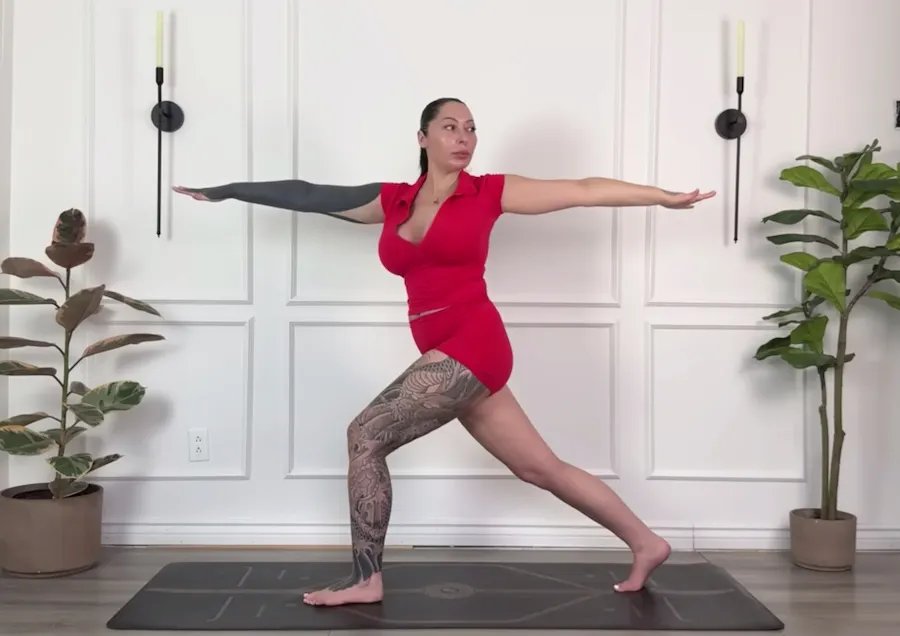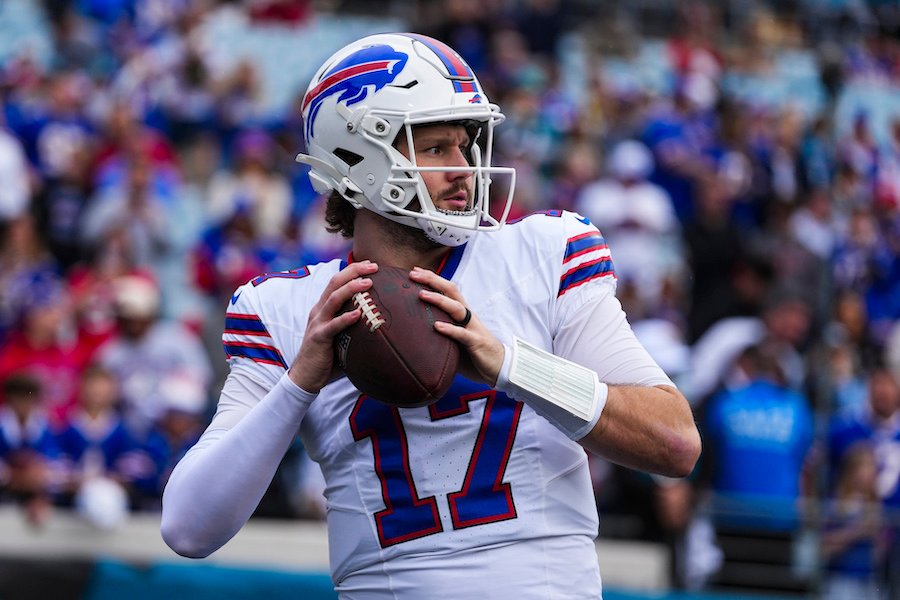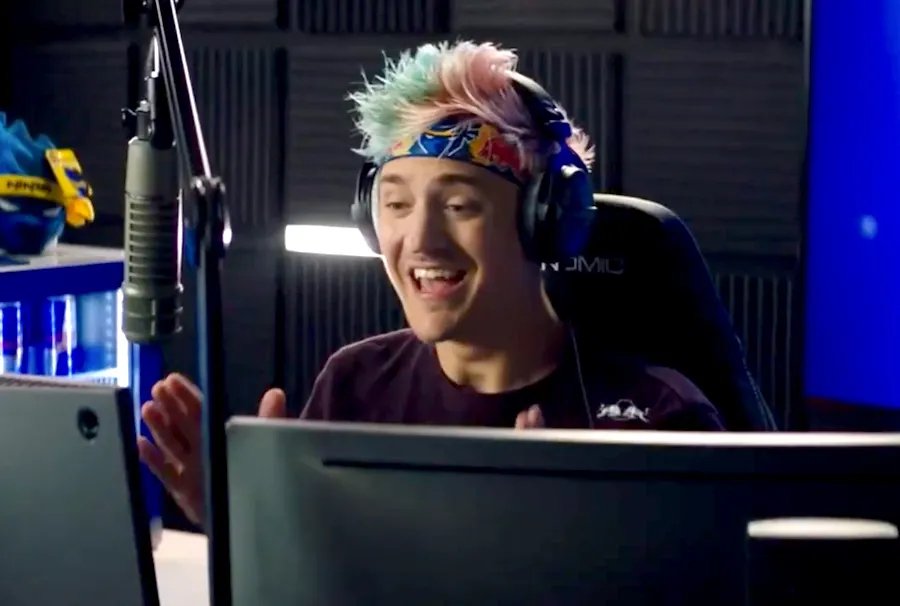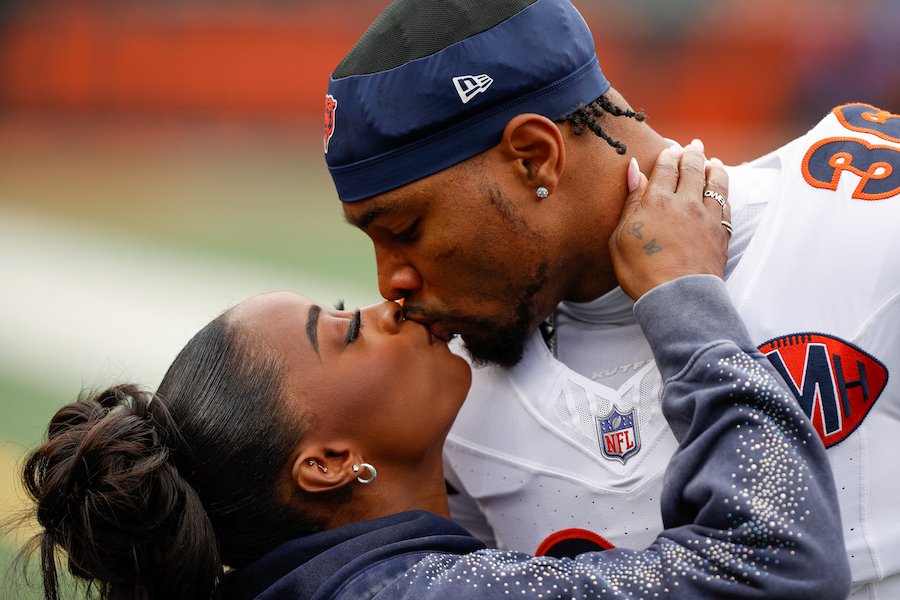
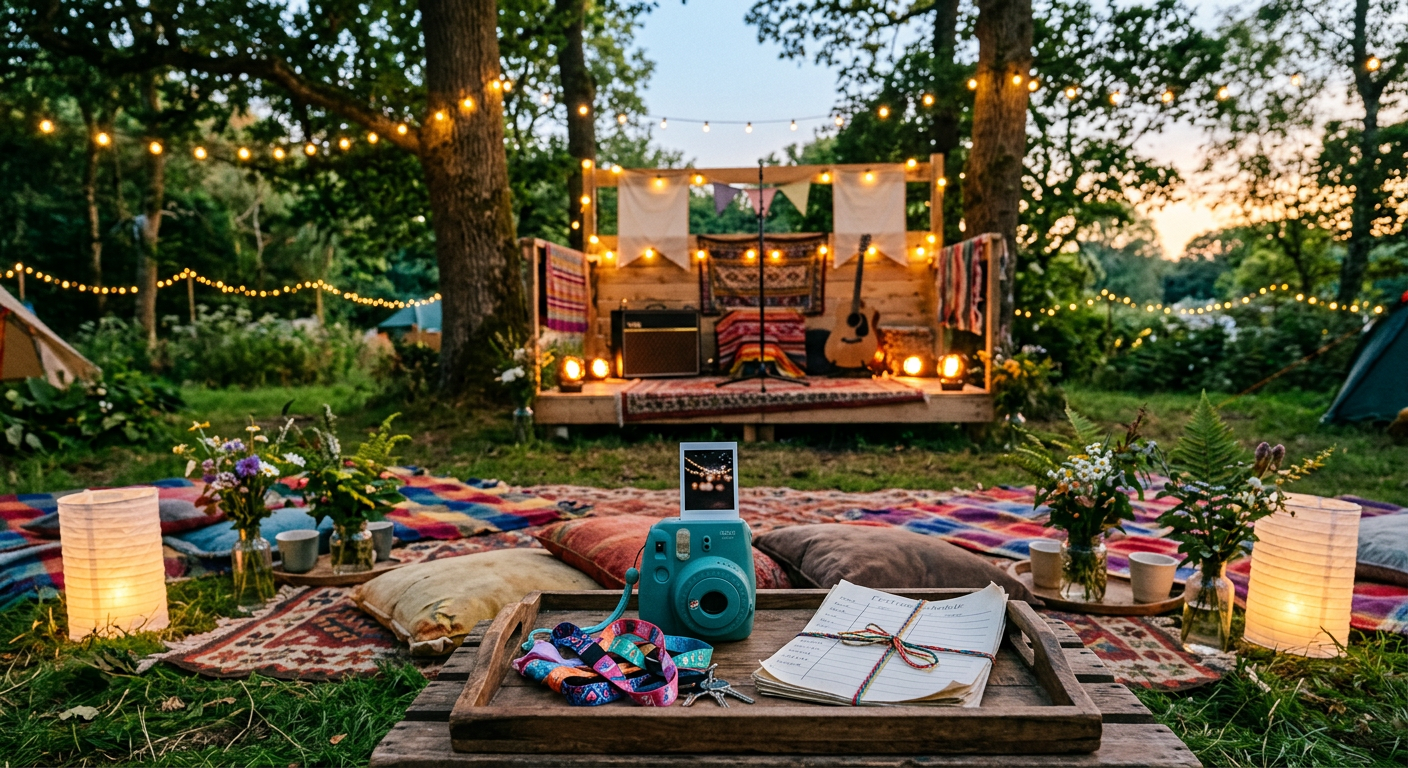


Forget paying a fortune to stand in a giant field. The new wave is all about smaller rooms, stronger identities, and creating better content with your actual friends.
The dream used to be so vivid: a sprawling field, a stage miles in the distance, and tens of thousands of people swaying under a dusty sunset. For years, the mega-festival was the ultimate rite of passage. But the dream is starting to feel dated, expensive, and frankly, a little bit lonely. In its place, a new, more intimate movement is taking over, proving that the best experiences don’t require a massive headcount.
Say hello to the era of the micro-event. We’re talking about highly curated city pop-ups, immersive album listening parties, and niche events hosted by your favorite creators. These aren't just scaled-down concerts; they're a fundamental shift in what it means to gather. For a generation that values authenticity and identity above all else, the appeal isn't the scale of the spectacle, but the strength of the connection. Bigger is no longer better.
From Headliners to Hyper-Niche
Massive festivals have always operated on a one-size-fits-all model. Their goal is to attract the largest possible audience by booking a dizzying array of artists across every conceivable genre. You get a little bit of indie rock, a dash of EDM, a legacy act, and a chart-topping pop star. While that sounds great on paper, the result is often a diluted experience where you’re just one anonymous face in a churning sea of people with wildly different tastes.
Micro-events flip that script entirely. They are built around a specific subculture, aesthetic, or personality. Instead of trying to please everyone, they aim to delight a very particular someone. This is the magic of the hyper-niche: an event for fans of a specific gaming streamer, a pop-up shop for an indie fashion brand, or a secret show for a rising synth-pop artist. The shared interest is the main event, creating an instant sense of belonging that a giant, generic festival simply cannot replicate.
Built for Better Content
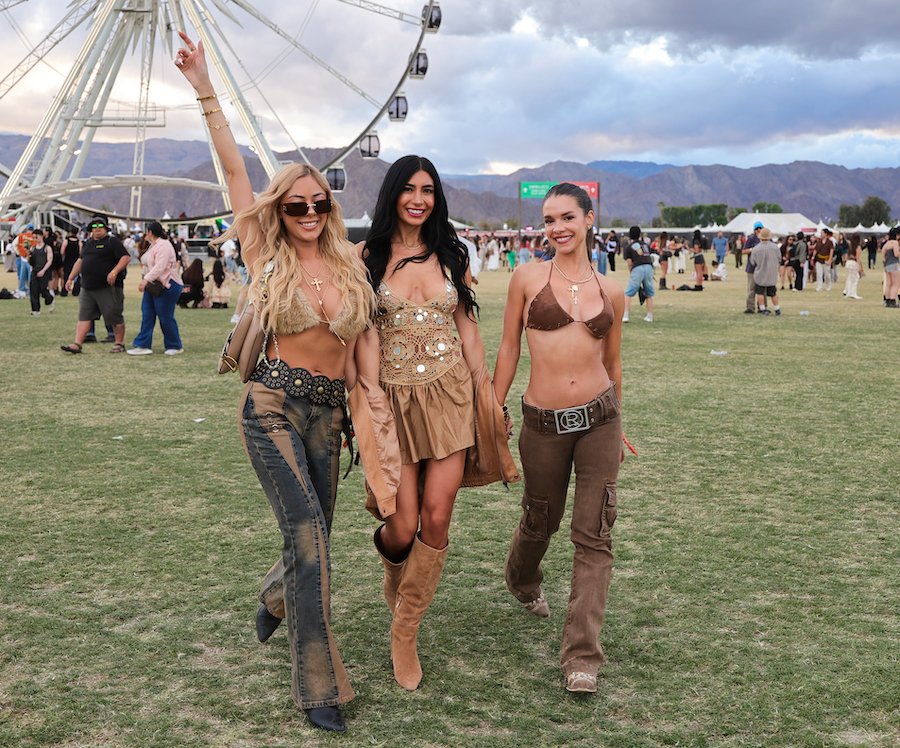
Let’s be honest: a huge part of any event is the digital footprint it leaves behind. It’s about documenting the vibe, the fashion, and the memories. But mega-festivals have become notoriously difficult places to create good content. Your view is often blocked, the lighting is a gamble, and the background of every photo is a thousand strangers. Capturing a clean, aesthetic shot is next to impossible, leaving your feed with blurry long-shots and chaotic crowd pans.
This is where smaller events have a massive advantage. They are often designed with the camera in mind. From moody lighting at an album listening party to perfectly arranged photo ops at a creator pop-up, these spaces are practically begging to be filmed. The environment is controlled, the aesthetic is cohesive, and the scale is human. You can actually create content that looks intentional and reflects your personal brand, rather than just posting a blurry video to prove you were there.
Being in a room full of people who share your specific interest also lowers the social barrier to content creation. You’re not getting weird looks for trying to nail a TikTok dance or spending five minutes getting the perfect angle on your outfit. Everyone gets it. The atmosphere is collaborative, not competitive, fostering a space where you can connect with new people over the shared mission of capturing the moment beautifully.
Finding Your People, IRL
Perhaps the most powerful driver behind this trend is the search for genuine community. After years of building friendships through screens, Gen Z craves meaningful in-person connections. But the promise of community at a mega-festival often falls flat. Standing next to thousands of strangers who happen to like the same headliner doesn’t automatically forge a bond. The sheer scale makes real interaction almost impossible.
Micro-events are designed for that connection. When you walk into a room of people who all flew to a specific city for a creator’s first live event, or who queued up for a niche artist’s pop-up, the ice is already broken. You have a deep, shared passion that goes beyond surface-level taste. Conversations flow easily because you’re all speaking the same language. It's the difference between being an audience member and being part of a tribe.
This also represents a shift from passive consumption to active participation. At a huge show, you are there to watch. At a smaller event, you are part of the experience. You might interact directly with the host, contribute to a collaborative art piece, or simply have a conversation with the person next to you without screaming over the bass from another stage. You’re not just a ticket number; you’re a contributor to the vibe.
Closer to the Source
This trend isn’t just being driven by fans; artists and creators are leaning in hard. For a musician like Billie Eilish, who has spoken about the intimacy of smaller venues, or any artist who cherishes fan connection, these events offer something a stadium tour can’t: proximity. An intimate listening party or a stripped-down acoustic set allows for a level of vulnerability and interaction that gets lost in a massive arena. It’s a chance for them to see the faces of their dedicated supporters, not just a sea of cell phones.
For internet creators, micro-events are the ultimate way to solidify their community. It's an opportunity to transform digital fandom into a tangible, real-world experience, giving their most loyal followers something exclusive and memorable. It deepens the creator-fan relationship far more effectively than another livestream or merch drop. This is about rewarding the core community and giving them a space to connect with each other, reinforcing the ecosystem that supports the creator in the first place.
So while the giant festivals will likely always exist in some form, the energy and innovation have moved elsewhere. The future of live events is about depth, not breadth. It's about finding your specific corner of the world and celebrating it with the people who love it just as much as you do. The most unforgettable moments aren't happening in front of a hundred thousand people, but in a small room where you feel completely, and finally, understood.
On This Topic
UP NEXT TO READ
MUSIC SHOP