Forget algorithmic perfection. The cool kids are embracing the blurry, over-flashed, and beautifully imperfect photos from pocket-sized digital cameras of the past.
Listen closely. Can you hear it? That faint electronic whir, the satisfying click-zoom, and the sudden, blinding pop of a flash? That’s the sound of summer, and it’s coming from a 2008-era digital camera.
In a world where our smartphones are armed with more photographic power than a professional studio from a decade ago, a fascinating rebellion is taking place. Gen Z, the generation raised on algorithmically-perfected selfies and impossibly pristine landscapes, is reaching back in time. They're tucking away their iPhones and grabbing the humble point-and-shoot, making it the must-have accessory for capturing memories with a texture and soul that no amount of computational photography can replicate.
The Allure of the Anti-Algorithm
For years, the goal of phone photography has been a relentless march toward perfection. AI smooths our skin, brightens shadows, sharpens details, and balances colors until reality is sanded down into a smooth, palatable, and frankly, boring image. Every photo starts to look the same, optimized for maximum engagement on a vertically scrolling feed. And what's the fun in that? This trend is a direct, celebratory answer to that question. It’s a conscious choice to opt out of sterile flawlessness.
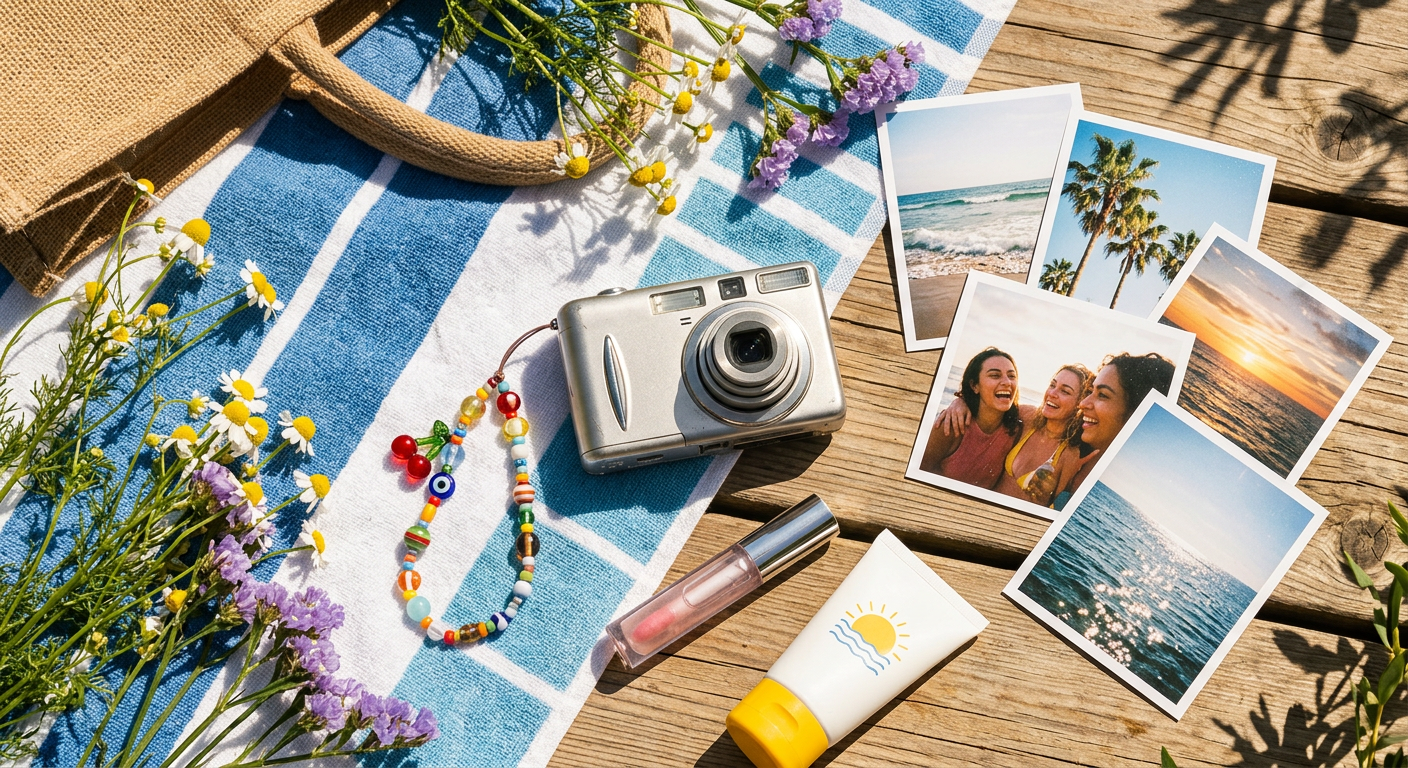
The photos produced by these older digital cameras are a vibe unto themselves. They’re grainy, the colors are slightly off, the motion is blurred, and the direct, often harsh flash creates dramatic shadows and highlights that feel raw and immediate. It’s a look that feels more like a memory and less like a data file. This isn't about Luddism or rejecting technology; it's about curating a specific aesthetic that feels more authentic and personal. It’s choosing a creative tool, not just accepting the default.
More Vibe, Less Megapixels
The point-and-shoot renaissance proves that technical specs aren't everything. While phone companies boast about their ever-increasing megapixel counts, the cool kids are proving that mood and feeling are far more important. The appeal isn’t in capturing a crystal-clear image, but in capturing a moment in all its chaotic, imperfect glory. A blurry shot of friends dancing, a sun-flared beach photo, a red-eye portrait at a late-night diner—these images tell a better story than a perfectly posed, professionally lit shot ever could.
This aesthetic has been bubbling up for a while, with tastemakers like Bella Hadid and Charli D'Amelio often seen wielding these small, unassuming cameras. Their embrace of the look helped signal a shift away from the hyper-curated influencer style that dominated the last decade. It gives a sense of unfiltered access, an 'in-the-moment' energy that feels more documentary than photoshoot.
The look is so desirable that people are even using apps to replicate it, but nothing beats the real thing. The process is part of the charm: the delayed gratification of having to upload photos via a card reader, the surprise of seeing what you actually captured, and the final, un-tweakable result.
A Pocket-Sized Time Machine
Beyond the aesthetic, the trend is steeped in a powerful sense of nostalgia. For many in their late teens and early twenties, these cameras aren't just retro—they're relics of their own childhoods. They evoke memories of family vacations, school field trips, and birthday parties from the early 2000s, an era that a new generation is currently obsessed with romanticizing. Owning and using one is like holding a tangible piece of that simpler time.
The object itself is key. In our increasingly ephemeral, cloud-based world, a physical camera is a satisfyingly solid artifact. It has buttons you can press, a lens that extends, and a wrist strap you can loop around your fingers. It demands a different kind of engagement. You have to point it, frame the shot, and commit. There’s no live-editing or instant-reshoot. It makes the act of taking a picture feel more intentional and, therefore, more special.
It’s a main character accessory. Pulling out a vintage Canon PowerShot or Sony Cybershot at a party is a statement. It says you care more about capturing the spirit of the night than collecting perfectly curated content for the 'gram.
So as you pack for your next getaway or plan a night out, consider leaving a little room in your pocket. The best way to remember your summer might just be through the beautifully flawed lens of the past. It’s a reminder that perfect is boring, and the real magic is in the grain.