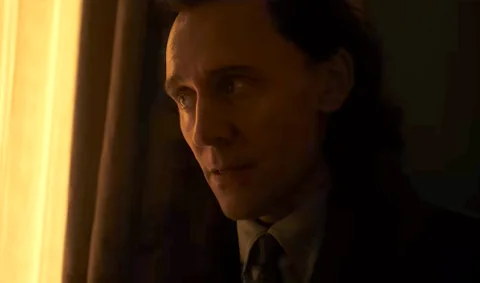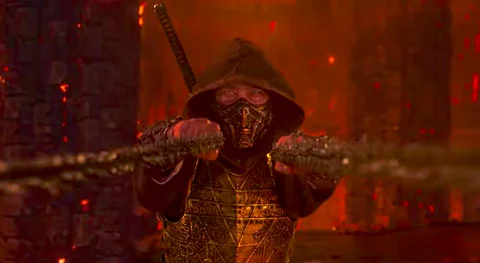

There’s been a quiet shift in how people talk about movies. Not "what happens" but how it feels... You see it all over TikTok, Reels, and Shorts.
There’s been a quiet shift in how people talk about movies. Not "what happens" but how it feels...
You see it all over TikTok, Reels, and Shorts. Clips get passed around not because they explain the story but because they capture a mood. A look. A moment. A vibe. And increasingly, that same shift is showing up in the kinds of films getting attention, even at the Oscars, and this year’s nominees made that especially clear.
For a long time, plot was the main thing. You followed a story from beginning to end, and that was the experience. Now, a lot of movies are being consumed differently. Scenes go viral before people even see the full film. A single moment can define the entire conversation around a movie. And once that happens, the plot almost becomes secondary. It’s not that story doesn’t matter at all, it’s that it’s no longer the only thing people are engaging with.
Instead, people latch onto:
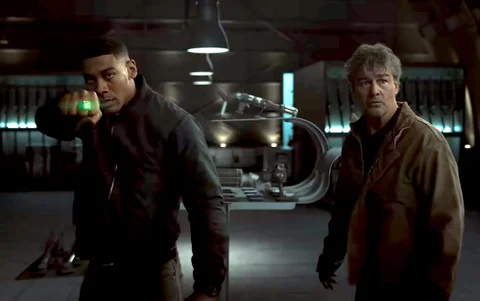
• Specific visual or emotional beats
That shift changes what kinds of movies resonate. Traditionally, the Academy leans toward narrative-heavy films -- Strong arcs, clear themes, big emotional payoffs. But this year’s nominees suggest things are loosening.
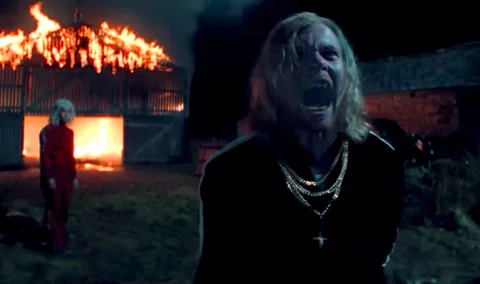
Some of the most talked-about films weren’t driven purely by plot. They were driven by tone. By feeling. By the overall experience of watching them. Movies like Train Dreams, Hamnet, Sirât, The Secret Agent, and even Best Picture winner One Battle After Another don’t rely on tightly structured storytelling in the traditional sense. Instead, they build worlds, tension, and emotion through atmosphere and pacing.
They’re not asking you to follow every beat of a story. They’re asking you to sit in something, and that’s a different kind of engagement.
There’s a tendency to dismiss "vibe movies" as empty or style-over-substance, but that’s not really what’s happening. If anything, these films are shifting how meaning is delivered. Instead of clear exposition, structured arcs, and clean resolutions, you get ambiguity, lingering tension, and emotional texture.
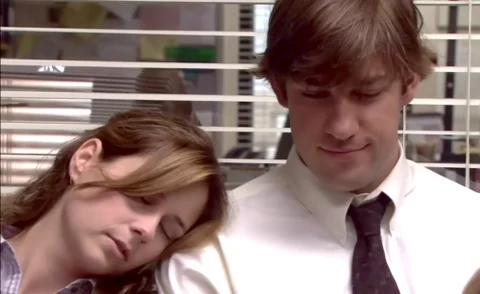
The storytelling is still there. It’s just less direct. And for a lot of audiences, that feels more natural right now. A big part of it comes down to how we watch things now. Short-form content has trained people to engage quickly and emotionally. You don’t need a full narrative to connect with something, you just need a moment that hits. That carries over into film. When audiences are used to scrolling through clips, it makes sense that movies built around strong individual moments, rather than strictly structured plots, start to stand out more. It also explains why slower, more atmospheric films are finding audiences. They’re not competing on plot twists. They’re competing on feeling.
Even with this shift, plot still matters. The difference is that it’s no longer the only measure of a movie’s success. A film can be messy, loose, or even confusing, and still resonate if it creates a strong enough experience. That’s the trade-off -- You might lose some clarity, but you gain something else: immersion.
And as audiences continue to engage with movies in fragments, through clips, edits, and online conversation, that shift will probably keep accelerating. Because right now, it’s not just about telling a story. It’s about creating something people want to sit in, replay, and share.
On This Topic