
If you've been watching Apple TV's new mystery drama "Imperfect Women", starring Kerry Washington, Elisabeth Moss, and Kate Mara, there is likely one word that pops into your…
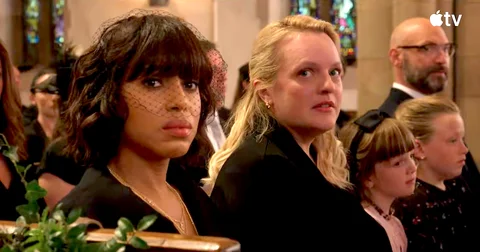
If you've been watching Apple TV's new mystery drama "Imperfect Women", starring Kerry Washington, Elisabeth Moss, and Kate Mara, there is likely one word that pops into your brain when you think of each of the characters played by these actresses: MESSY. Each character, while well-meaning, has displayed their fair share of personality flaws and lack of good judgement, but watching them adds a sense of relatability that keeps us tuning in every week to see how they deal with the consequences of their own actions.
Hollywood is increasingly embracing protagonists who defy simple labels of "hero" or "villain", reflecting a growing appetite for morally complex characters. From TV hits like "Euphoria", "Succession", and aforementioned "Imperfect Women" to films such as Everything Everywhere All At Once and One Battle After Another, audiences are drawn to figures who are messy, unpredictable, and morally ambiguous. This shift marks a departure from traditional storytelling, offering richer, more nuanced narratives that mirror the complexities of real life.
Character complexity lies at the heart of this trend. Flawed protagonists challenge the archetypal distinctions between good and evil, hero and villain. By allowing characters to act selfishly, make mistakes, or grapple with moral dilemmas, writers create multidimensional figures who feel human rather than flattened or idealized. Take Kendall Roy in "Succession" -- his relentless ambition to seize power at Waystar Royco, paired with frequent moral compromises, stems from a tragic flaw: an insatiable desire for his father’s validation and pride that drives him to seek external achievements to mask his inner emptiness. It is this imperfection that makes him simultaneously frustrating, intriguing, and deeply human.
Similarly, Everything Everywhere All At Once centers on Evelyn Wang, a laundromat owner juggling a collapsing business, strained family relationships, and a multiversal crisis, rendering her both strikingly unpredictable and emotionally resonant.
These portrayals encourage audiences to engage with narratives on a deeper level, fostering empathy and reflection on human behavior.
The psychology behind this fascination is revealing. Viewers, especially younger audiences, are drawn to imperfection because it reflects their own struggles and contradictions. Morally ambiguous characters inject unpredictability into a story, keeping audiences engaged and emotionally invested. The uncertainty of a character’s next move, combined with relatable vulnerabilities, creates a compelling mix of suspense, humor, and catharsis. This layered complexity often allows for a level of emotional resonance that traditional, morally straightforward characters struggle to achieve.
Ultimately, morally complex characters represent a shift in both audience expectations and creative priorities. By blurring the line between heroism and evil, perfection and flaw, Hollywood is crafting stories that not only entertain but also provoke thoughtful reflections and conversations, giving viewers the chance to see themselves – and their contradictions – reflected on screen.
On This Topic