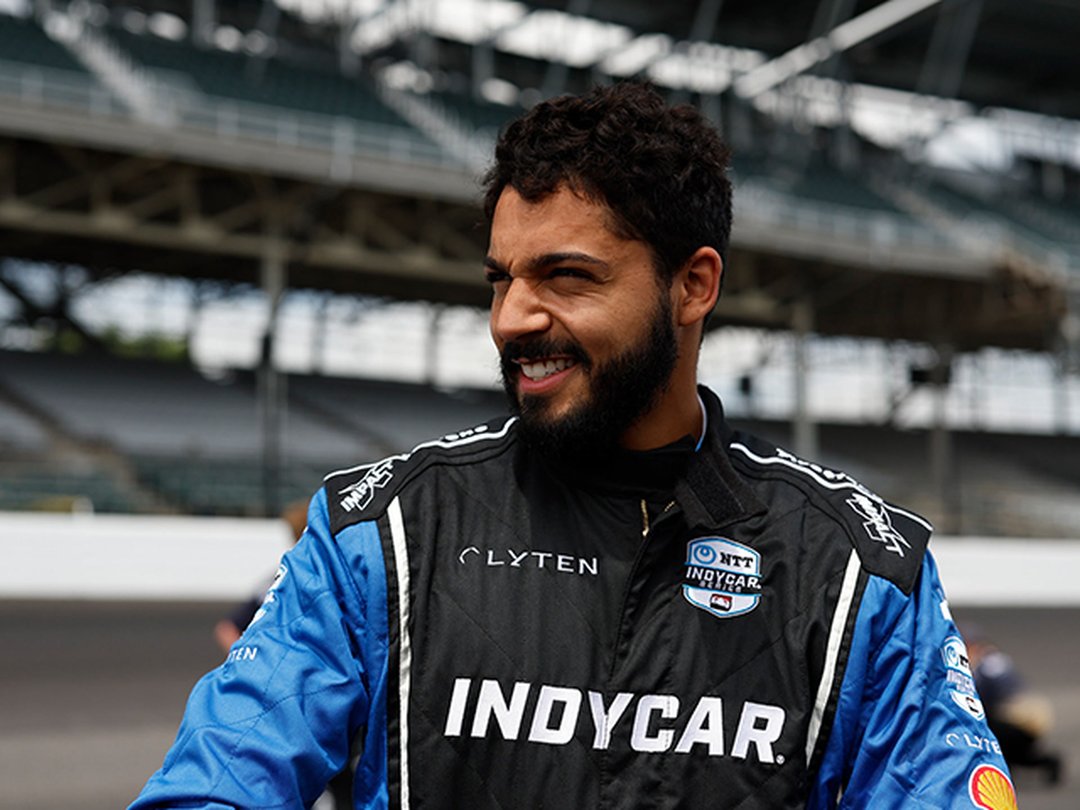
Rock Climber Kevin Jorgeson on El Capitan and Wall Climbing Tips
About this video
YH catches up with professional rock climber Kevin Jorgeson to hear all about his record-making feat reaching the 3,000-foot summit of Yosemite National Park's El Capitan with his partner Tommy Caldwell! He explains the many perils and challenges he faced performing this feat and what lessons even non-rock-climbers can take away from his experience. Plus, he gives us some handy rock wall-climbing tips!
Chapters (7)
Show ↓
Key Moments (5)
Show ↓
Key Topics (3)
Show ↓
- Kevin Jorgeson
- Tommy Caldwell
- Spider-Man
Full Transcript
Show ↓
He's already completed the world's toughest climb and now Kevin Jorgeson is showing us some moves right here on Young Hollywood.
What inspired you to make this historic climb?
It started with Tommy Caldwell, my partner, his vision to push big wall free climbing forward. He was the first one to look at the Don Wall and think maybe it could be free climbed. And I saw a short film that featured Tommy working on the climb, and I was in need of a new project at the time. So, I called him up out of the blue, and he said yes. I couldn't believe it. We just started working on it together.
So, there was no hesitation whatsoever. It was yes, let's do it.
Well, I'm sure he had some hesitation. He likes to tell this story of our first day climbing together. It was a test because I had no big wall experience before this. So, Tommy strapped an 80-pound haul bag to my back and we hiked around the back of El Capitan to the top. Takes 5 hours with 80 pounds on your back. And he was trying to break me. He says he kept looking over his shoulder to see if I had quit yet. And when I got to the top, I threw the haul bag down and I said, "Ah, that felt good." He was like, "All right, I got myself a partner."
Not what he expected.
Yeah, and that was the start.
What did it take to get into rock climbing shape?
Climbing on El Cap is like learning a new language. Super polished granite. And you don't find this style of climbing anywhere else in the world. Without the time spent on the wall, learning how to grab the holds and do these really technical moves that are just feel like you're gonna fall all the time. You have no chance.
And how many years did it take to train for this?
This was a six-year project for me and Tommy had a couple years invested before I even joined. So it was closer to eight for him.
Was Spider-Man an inspiration?
He would have done a lot better on this, I think than than we did.
So what were the biggest challenges along the way?
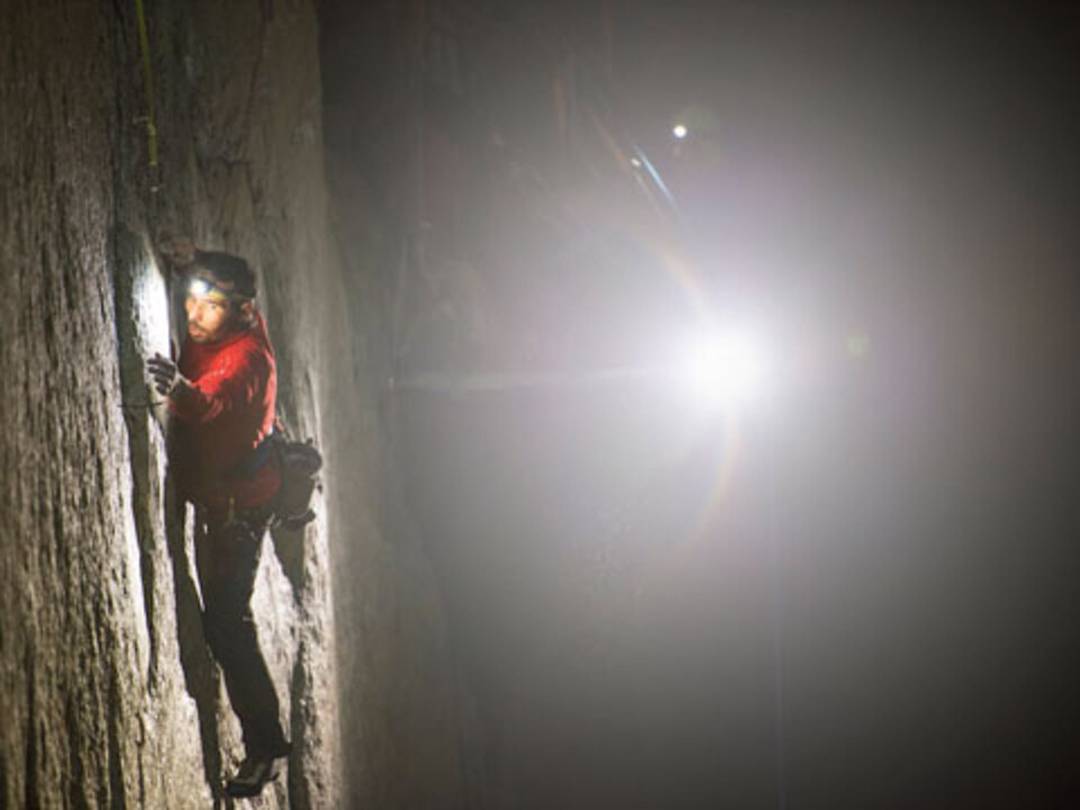
Weather is one of the biggest challenges because this wall bakes in the sun. It's why it's called the Dawn Wall. Every morning the sun hits the wall and you just roast like an egg on the side of the wall. So we have to wait till the shade comes and then we have to climb at night. A lot of times we didn't finish climbing until 11, 12, 1:00 in the morning. We had to adapt our climbing to being nocturnal.
Explain how this all works when it comes to food, when it comes to going to the bathroom.
Sure. I mean, you have to bring everything you need to survive up there. Ideally, it falls into the fabric of the experience, so you just focus on the climbing. For example, you don't wanna worry about if your portal ledge is gonna fall off the cliff in the middle of the night. If your rope's gonna break, you know, if your headlamp is gonna die. So, you have to trust everything that you have up there. You're busy trying to climb the hardest thing, hardest rock on Earth.
During the climb was there ever a moment when you thought, "We may not make this"?
There was a moment when I thought I wasn't gonna make it. And that's because I got stuck for seven days in the same spot. And the way big wall free climbing works is you have to free climb every pitch. You have to climb every pitch without falling in order to keep going up. Well, I couldn't get across the 15th pitch. My fingers were sliced to smithereens, basically. And so I had super glue and tape over two of my fingers.
You super glued your fingers shut.
Right. But it it didn't work. So I had to wait for the skin to heal. So it was this constant battle back and forth of climbing days and rest days and letting the skin heal and dealing with super glue and tape. And the climb was on the line. It was at the point where Tommy, he was much further ahead at this point. He was close to getting to the top.
Oh, he didn't wait for you?
Well, he did. He finished the hard parts and then waited for me to catch up.
Okay.
And then I finally did get to catch up. But there was a moment there where I didn't know if it was gonna gonna happen.
What are you eating along the way?
Breakfast up there was always a bagel sandwich. So, we had bagels and cream cheese and avocado and bell peppers and salami. It was pretty good. And cliff bars for lunch. And then dinners rotated between pasta, Indian food, and burritos. Yeah.
And what was the first thing you did once you made it to the top?
Gave my girlfriend a big kiss and Tommy was there with his wife and gave my dad a big hug and all our friends that were up there. And then we went down to the valley floor, had a big steak dinner. But what was funny about that is that we hadn't been eating stuff like like super rich food like that. Right. So, we had this fancy dinner and we were all just like, "Oh," Tommy and I both, our stomachs were just like, "Couldn't enjoy it." Couldn't handle it.
What can we all take from this even if we're not climbers?
Anything is possible. It sounds cliché, but like, there's nothing less improbable than this piece of porcelain that Tommy and I toiled over for for six years. Tommy's really optimistic and I'm really analytical. So, we both brought different things to the team that that brought out the best in each other and kind of neutralized each other's weaknesses and that's what made it possible. But really big goals can't be done alone and you have to find that right partner to help finish it off.
Well, if that's true, what do you say you show me how to climb a little bit?
Let's do it. So, we're gonna head right up the belly of this beast right up the middle. Wow. And I'm gonna have you concentrate on the white holds or the blue holds. Each path basically is a different level of difficulty. Are you afraid of heights by chance?
No.
Okay, that's that's good. Some people are afraid of heights and it's it's funny. I actually recommend climbing at night with a headlamp on because you can't see the ground. How small it is. Yeah. So, what I want you to focus on while you're heading up is that climbing is a whole body activity. And it's easy for dudes to focus on the arm aspect, but I want you to think about moving your feet before moving your hands. What can be common is that you'll step on and then you'll reach as far as you can with your hands and then you get totally extended and you can't even see your feet anymore. So, I want you to always kinda keep your hands and your feet together. Move the feet, then move the hands. Move the feet, then move the hands.
First I do the feet.
So, kinda pick your handhold that you're gonna go to first. Exactly. And then choose the feet that'll help you get there.
You've got me, right Kevin?
Gotcha, dude. All right. Let's try. Good. Good choice. Relax those arms.
It's a lot harder than it looks. All right, feet up. Good. I might I might max out soon, Kevin.
You got it. Do at least two more moves.
Okay. One move. Ah, it's
Two moves.
I think that's a wrap. Woo! There you go. Ah. Learning from the best on Young Hollywood.
Timestamps are approximate — click one to jump the player.
PEOPLE MENTIONED
- Kevin Jorgeson
Professional rock climber, subject of the interview
- Tommy Caldwell
Kevin's climbing partner on El Capitan
- Spider-Man
Fictional character, humorously compared to climbers