
Actors take classes, they read books, they watch interviews, and they develop their craft in countless ways. Some start as children, fully believing that this is their world; others find their calling, or "catch the bug" later in life, but one thing remains true in all of these situations: in order for one to know if they are succeeding with and in their craft, they need an audience.
And in a world now where audiences are accessible in a lot of new ways, like on social media, it remains true that live performance reigns supreme in getting actors feedback. This real-time feedback teaches actors so much, and in terms of comedic timing, this feedback is critical. So, whether it’s improv or stand-up, actors learn so much about performance, and it starts with confidence. Stand-up comedians don’t have a director stopping them, and although most follow a routine and a lot of rehearsed beats, they are usually alone on stage, which already takes a lot of practice and poise. And while this is happening, especially in improv, performers are creating characters on the spot -- with different physicalities, establishing relationships, dialect changes, and living in all sorts of different situations. Scripted performances let a performer work at their own speed, but these faster shows require actors to use what they already know, which is challenging yet really exciting for an audience.
It’s similar to a quarterback calling an audible or adapting to whatever is happening on the field. It’s incredible practice, and it makes sure that performers are living in the moment, listening to their partners, and staying grounded in the given circumstances.
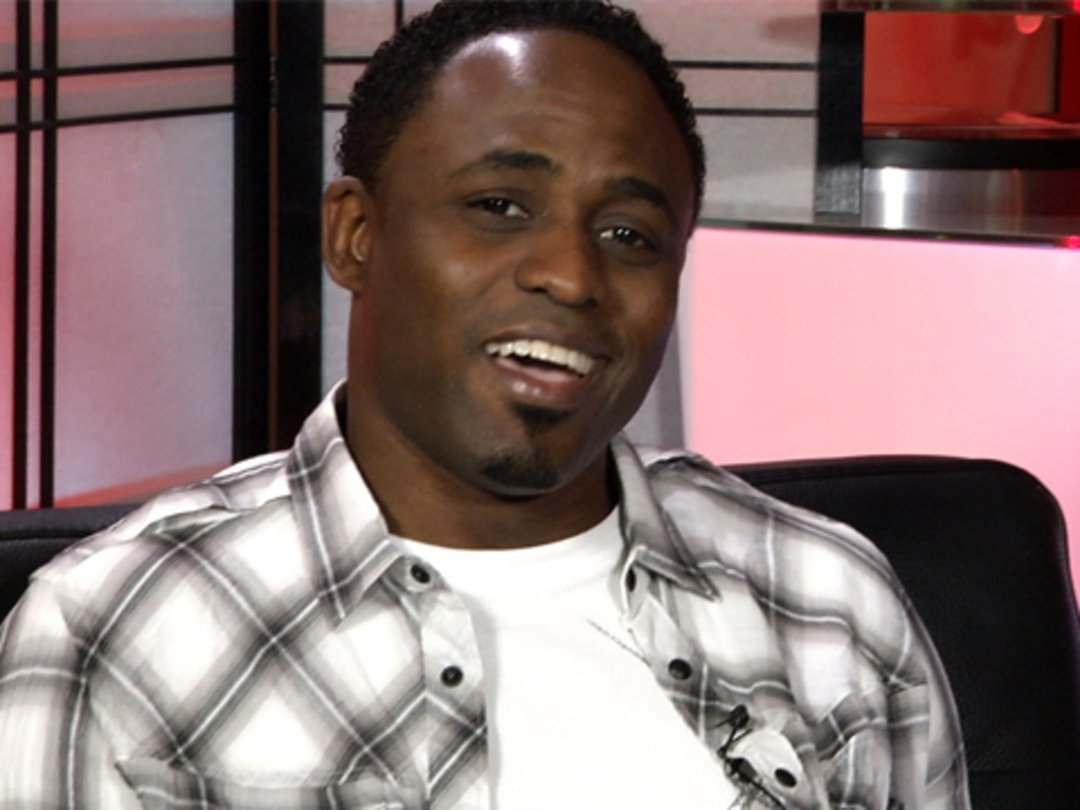
Legendary improviser Wayne Brady once said, “Theatre sports is the best improv training, period".
And it just goes to show how much this work can help an actor. Actors get a chance to work on their timing, where not only are they listening and reacting to what’s happening on stage, but they’re also pausing for laughs, or responding and reacting to what’s working with an audience. And when this all isn’t working, if absolutely nothing else, this work can be scary in that there’s always the possibility that it doesn’t go well, and that actors are stranded on stage, without direction, lines, or someone yelling "Cut!" if things aren’t going according to plan. Actors learn how to self-correct, and if they do fail, they get chances to turn the failures into learning opportunities.
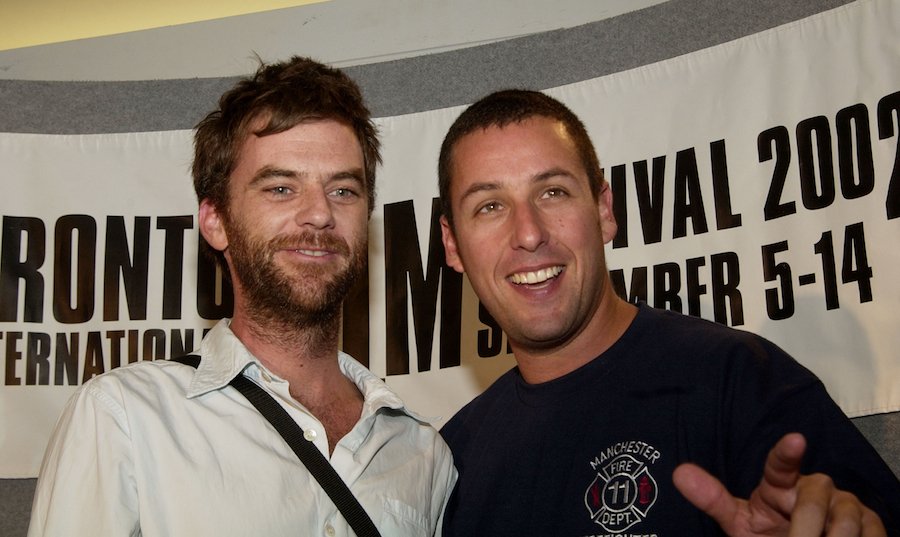
Many actors began as comedians, or worked alongside comedy in their acting careers. Icons like Adam Sandler and Robin Williams, whose roots include stand-up, "SNL", and improv, went on to deliver some of the most memorable film performances of our time. Williams improvised in a lot of his movies, and it’s widely reported that most of his dialogue as the Genie in Disney’s Aladdin was improvised, and animators ended up crafting a lot of the animation around his performance. In Good Will Hunting, during the park bench scene, he added the entire story about Sean’s wife farting in her sleep, which caused Matt Damon to break character and laugh because he had no idea that was coming.
Sandler, too, has repeatedly acknowledged in interviews that his stand-up years and "SNL" were the foundation of his performance style. He said, "'SNL' was like a comedy boot camp… It was intense, fast-paced, and you had to be on your toes every week. But it was also where I learned how to write, perform, and collaborate.” It helped shape his timing, stage presence, and ability to adapt in front of an audience, all of which are crucial, and signify a well-trained actor.
These well-trained, well-rounded actors are the ones audiences adore. We love watching someone be able to, in one moment, capture a dramatic feeling, and in the next, make us laugh with their timing and wit. Whether it be stand-up, improv, or something in between, these aren’t just places where actors get their start, it’s where they train to become who they want to be as artists. It’s where they get their edge and their spontaneity. When you’re used to building characters on the fly, surviving silence, or working a room, these film sets could feel a lot less daunting. And whether that’s seen in the form of a Genie in a lamp, a teacher walking on desks, or a quiet moment on a park bench, many of Hollywood’s most iconic actors have benefitted from this path, and many more will surely follow.
On This Topic