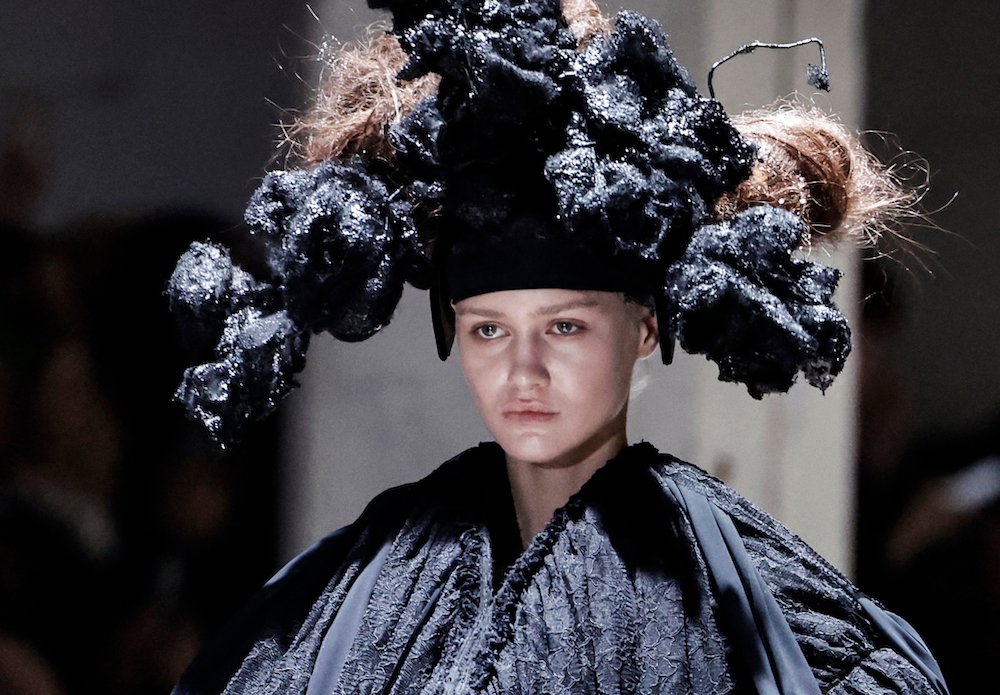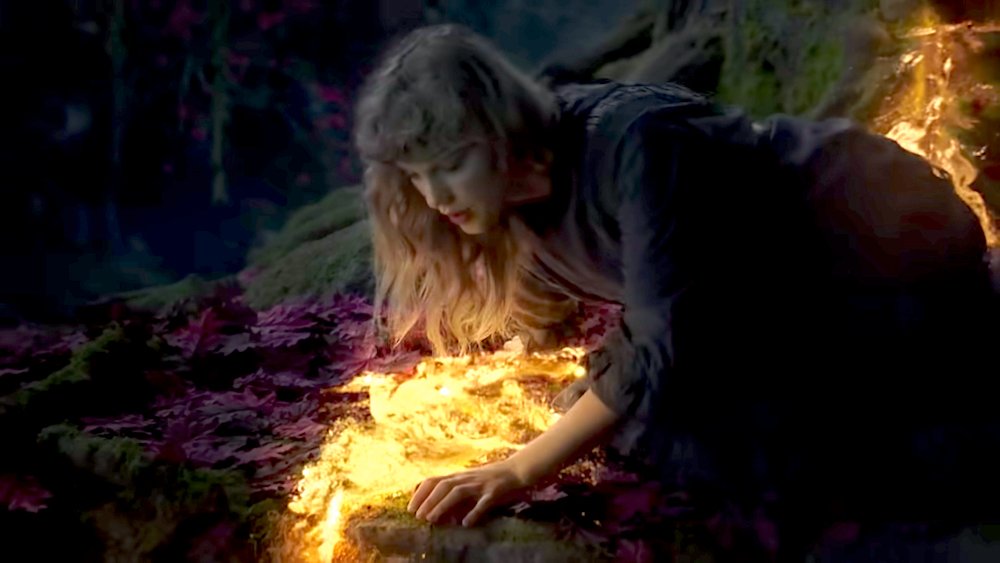

Fog-shrouded landscapes, obsessive love, tortured monsters, and crumbling estates are the hallmarks of the Gothic aesthetic. With Nosferatu (2024), Frankenstein (2025), and Wuthering Heights (2026) currently in the pop culture zeitgeist, Hollywood is clearly in the midst of a Gothic revival, but what does this return reveal about our cultural moment?
Historically, Gothic stories surge during moments of cultural anxiety. They thrive on uncertainty, fear of the unknown, and distrust in institutions. In an era defined by climate dread, political instability, economic precarity, and digital burnout, Gothic cinema offers a way to process collective unease. Instead of pretending everything is fine, these stories lean into our fears.
Take Nosferatu as an example. Historically, the vampire has functioned as a metaphor for societal fears around the "foreign" and the immigrant, an anxiety that, troublingly, is relevant in today’s political climate. Frankenstein, meanwhile, endures as a cautionary tale about the moral limits of scientific progress, a theme that resonates with unease surrounding the rapid expansion of artificial intelligence.
There’s also something undeniably appealing about Gothic excess. In a culture obsessed with minimalism, productivity, and polished online personas, Gothic cinema feels like a much needed escape. It embraces heightened emotions such as rage, grief, obsession, and desire and depicts unlikable, messy, and, at times, self-destructive characters who feel undeniably human.
Turning to the Gothic romance, stories like Wuthering Heights endure not because they depict healthy love, but because they portray love as consuming, obsessive, and destructive. Heathcliff and Catherine are toxic and volatile. In a dating-app era defined by emotional detachment and a fear of being seen as "cringe", where vulnerability is often avoided, that kind of romantic intensity feels almost defiant.
So why are we so obsessed with Gothic right now? Because it gives form to emotions we’re struggling to articulate. It allows cinema to explore fear and desire without offering easy resolutions. And in a moment when the future feels uncertain, that honesty is strangely comforting.
On This Topic