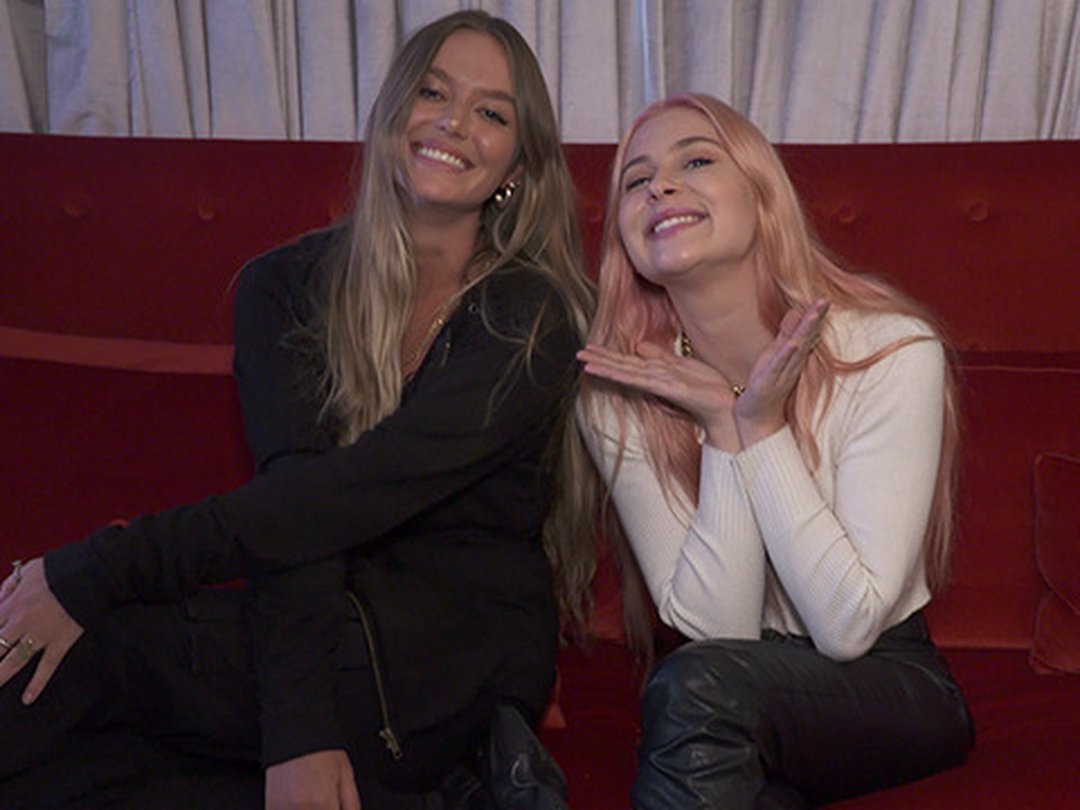
Diplo on Major Lazer
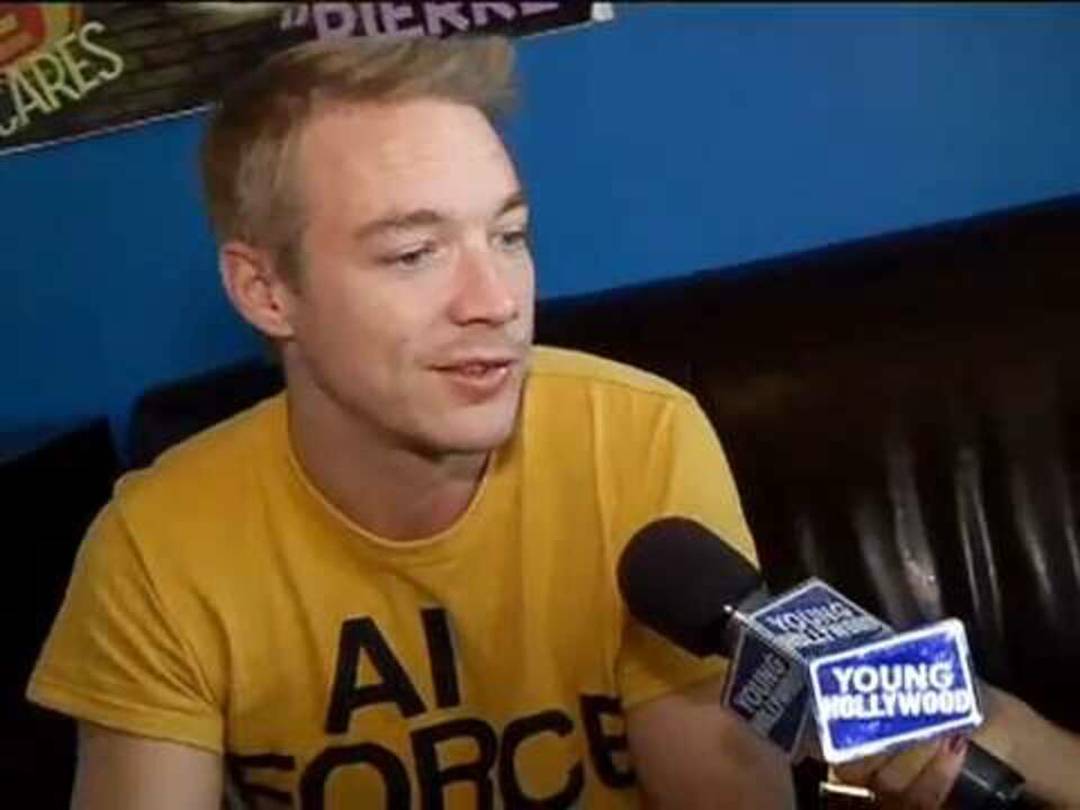
About this video
Diplo of Major Lazer talks to us about the group's backstory and the uniqueness of their sound.
Chapters (7)
Show ↓
Key Moments (5)
Show ↓
Full Transcript
Show ↓
Welcome to YoungHollywood. com. What's up? This is Diplo on the set of Keep It Going Louder, Eric directing. Let's go interview Nina Sky real quick. I see you got six chicks deep. That's the girls in the truck. Yeah. Six chicks deep. And you know if we're rolling. Then we're straight sexy. That's that. You have it here first, Young Hollywood. I got the girls in the truck, 'bout six chicks deep and you know if we're rolling then it's straight sexy. That's me. It's Michelle Marie. I am here with one half of Major Lazer, Diplo the man, and we are on the set of your video. Tell me about today. How's it been so far?
We're here with Eric Wareheim doing the video today. We just love what he does. We love the whole like bizarreness of it. I think people are into that. They kind of like what what we're doing with the with the loud and the crazy colors and the animations. So, right. Kind of brings together this whole the whole story.
Now you're working with Nina Sky today. Tell us more about the song.
Well, Keep It Going Louder. The the concept for this song is um, like I said, Major Lazer is more of a reggae influenced whole album. But Nina Sky, Ricky Blaze, Skerrit Bwoy, all these kids represent like the New York side of reggae music because they're all like second generation kids. Nina Sky is Puerto Rican. Um Skerrit Bwoy is Antiguan, Ricky Blaze is Jamaican. They're kind of making this new kind of dancehall sound. That's why we wanted to make kind of a a trancy dancehall sound with this record. And um this record had kind of the biggest sound to it. It had like a real pop sound, so um it was kind of natural to shoot a video for it.
Major Lazer is a concept. It's actually a cartoon character. Tell me the whole backstory on who he is.
Me and Switch, we're two producers, and we're doing like a reggae album. And it's a lot of guest artists. So we didn't wanna promote the record as two like white dudes too much. So we wanted to make more of a concept for the record and in kind of conceptualize it as like a you know the Gorillaz, that album. So it's kind of has this backstory to it. We can tell the story through our album, through the videos. He's like a Jamaican commando, ninja type of guy that saves people through dancehall and reggae music. And he's got a a long history, but he's, you know, he's a cartoon figure and he shoots zombies and mummies and sound boys and tries to destroy Babylon. And that's kind of like all the archetypes of reggae music. It has kind of a GI Joe, He-Man feel, you know, because that's the that's the essence of this record. We wanna go for like this 80s, early 90s kind of like cartoon, kid, you know, toy feel for the whole project.
With this album, you guys are mainly, you know, it's mainly a dancehall sound with reggae influence. How do you like to describe it yourself?
We love dancehall. Me and Switch and even M. I. A. and Santogold who helped us with this record. The thing about dancehall is it can do anything. You can sample a banjo, you can sample a punk rock riff. You can do anything and the artist there can just, you know, kill kill, you know, they can we thought we would scare some of the artists with our beats, and they were just like, easy, you know?
A lot of people have heard your name over the years, of course, because of M. I. A. and then you worked with her and a lot of other artists, and you've got this you're like a creative genius. I mean, I'm just letting you know that like a lot of creative genius. What's your process like? I mean, so many people want to know that.
I think that we have this whole family now, you know. We kind of M. I. A. was sort of the first figure to kind of break through and become, you know, kind of on a pop level. But we were always bubbling in the underground doing something that wasn't rock music, wasn't hip hop, wasn't pop. It wasn't underground. It was just like something new and different. And I think that we kind of got good at it and established it with people like Me and Switch, and Santogold, and Spank Rock, and The Crookers, and, you know, Kid Cudi, all these artists are kind of kids that we we started doing shows together and doing beats. And we never thought it would would pick up and get on the radio and, you know, now we're people are knocking down our doors to get remixes done or to, you know, do their single. They need a new, they need like a track that sounds like it's a it's new, you know, it sounds like now. So, We're always just wanting to push it forward and do it do the, you know, kind of the maddest ideas. We never we never aimed to have pop records, but we just do what we do, you know, with something like Paper Planes, that was just Yeah. a bizarre record, you know. We kinda was making fun of pop music in a way.
Now, how do you keep it fresh all the time? Because it seems like every single beat you make, I mean, everything sounds different.
We take as many, you know, influences and try to if if if we have an idea that just seems like that's that's not gonna work. That's my main motivation to try to make it work, you know. To try to make the maddest sound. And I mean, half of our records that we do are start start off as accidents. You know, we just kinda fix them and then, you know, most of the times they're pretty bad, but every once in a while we might have a good one.
You created most of the album down in uh Jamaica at Bob Marley's Tuff Gong Studio. That must have been a great experience. What was that like?
That studio is so, is so nice. It was actually super cheap. We couldn't believe it. And then it it was just such a good vibe. You know, we would have Bunny Wailer just come in and see what we're doing. He definitely wouldn't wouldn't be into what we're doing, but he would he would be he would show up and stop in. Most of the songs are improvised. And we would just cut takes and it would just easy, you know. I think that there's so much creative energy in Jamaica. It's crazy. If you ever feel like you're on have writer's block, just go to Jamaica. Go there.
If you were to become Major Lazer for a day, what would you be doing right now?
Probably be trying to topple over Babylon and uh killing as many zombies as possible. Smoke some weed, hang out with some girls. Go to clubs, stuff like that. They be ride on them. For Dip. Yeah.
Anybody who's uh wants to check out Major Lazer, this is Diplo, Young Hollywood. We're at the Keep It Going Louder video shoot. I'll see you guys later. Peace out.
Timestamps are approximate — click one to jump the player.
PEOPLE MENTIONED
- Diplo
Artist interviewed, one half of Major Lazer
- Eric Wareheim
Director of the 'Keep It Going Louder' video
- Nina Sky
Musical artist collaborating on 'Keep It Going Louder'
- Ricky Blaze
Musical artist mentioned in relation to New York reggae sound
- Skerrit Bwoy
Musical artist mentioned in relation to New York reggae sound
- Switch
Co-producer of Major Lazer
- M.I.A.
Artist who helped with the Major Lazer record and previously collaborated with Diplo
- Santogold
Artist who helped with the Major Lazer record
- Spank Rock
Artist mentioned as part of their creative family
- The Crookers
Artists mentioned as part of their creative family
- Kid Cudi
Artist mentioned as part of their creative family
- Bunny Wailer
Reggae legend who visited them at Tuff Gong Studio