'The Naked Gun' Reboot Makes Big Screen Absurdist Comedy Great Again!

The 2025 reboot of The Naked Gun proves studios must bring slapstick back to the big screen. Liam Neeson’s unexpectedly brilliant turn as Frank Drebin Jr., his work, and the addition of Pamela Anderson as the perfect fake femme fatale, have made us collectively miss the rule of theatrical comedy from the 1980s to the 2010s. How did the comedy rise, fall, and continue to endure on streaming? Theatrical comedies like this, once defining a generation’s sense of humor, deserve a second wind, especially for Gen-Z audiences who’ve been raised on background-noise comedies and TikTok clips. From the Zucker-Abrahams-Zucker era to the modern dry spell of parody, this is a case for laughter as a shared, cinematic experience. The new The Naked Gun proves, with all of its laugh-out-loud silliness, that slapstick still has juice, and studios need to take theatrical comedies seriously again.
Almost 40 years after The Naked Gun: From the Files of Police Squad! created roaring laughter in American cinemas, the inept police squad returns with a new face, a new generation of comics, but the same ridiculous spirit. This time, it is acting icon Liam Neeson’s turn to play Lt. Frank Drebin (Jr.), a role that not only displays his comedic chops but reminds audiences why deadpan delivery with a steely tone remains undefeated. Directed by Lonely Island alum Akiva Schaffer, this reboot understands what made the original spoof’s writing team -- Jerry Zucker, Jim Abrahams, and David Zucker -- so iconic: total, unrelenting, joke-per-second absurdity.
Pamela Anderson joins the chaos as a fumbling femme fatale with a scatting jazz number that may go down in spoof history. Alongside Neeson, she breathes new life into the role Priscilla Presley made famous -- completely self-unaware, unhinged, and defiantly unserious. As surprisingly funny and successful as this reboot is, it is also a very serious wake-up call. Studios, let comedies be comedies again, projected where they belong – on the big screen.
Liam Neeson’s casting was, at first, kind of strange to those who know his steely, serious presence. From Taken to Schindler’s List, the actor has never taken a turn towards full-blown comedy. However, he fully commits; his gravely voice lends absurdity to the deadpan visual gags, pratfalls, and extended bits about incessant coffee and EV police cruisers. Neeson sells these bits with straight-faced brilliance, leaning intensely on his public persona.
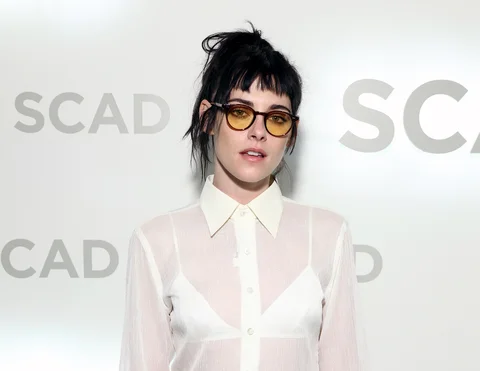
Pamela Anderson, fresh off a stunning starring turn in Gia Coppola’s The Last Showgirl and a renewed public appreciation after a difficult and abusive 1990s and 2000s, is perfect as the romantic lead. She is both stunning and silly, reviving the energy of vintage sexpot comedies while mocking every trope that has been thrown her way in the past. Whether she is wooing Drebin with incorrect wordplay or turning into a jazz banshee mid-heist, she is in on the joke, a welcome addition to the female-comedian canon formed bravely by Priscilla Presley decades ago. Together, they make the perfect pair for a comedy that hinges on contradiction: smartly stupid, timelessly topical, and bonkers noir.
With supporting performances from the likes of Paul Walter Hauser and internet icon Liza Koshy, this film’s ensemble is perfectly calibrated to match the likes of History of the World: Part One and Airplane!. Moreover, the sinister turns of Danny Huston and Kevin Durand use their arched brows and hyper-serious tone to undercut their evil masterplan, dialing up the absurdity to 11.
The original Naked Gun from 1988 became the gold standard for parody in the 1980s and ‘90s. Inspired by Mel Brooks fodder like Blazing Saddles and Young Frankenstein, The Naked Gun set its sights on police noirs of an earlier era. Soaked in neon lighting and roaring with a brass score, Leslie Nielsen’s Lt. Frank Drebin was the perfect punching bag of dumb incompetence. He was a man who botched everything yet somehow came out ahead. Packed with laid-out sight gags, puns, and set-piece absurdities, the ZAZ formula embraced chaos, subverted the seriousness of police procedurals, and never let a minute pass without a joke (even in the closing credits!). Timely in some of its gags -- from a Beirut sequence satirizing United States and Middle Eastern military tension to the entire plot hinging on the false accusation of heroine use -- Nielson barrels through these moments with a mix of ignorance and bravado.
Schaffer’s reboot honors this heritage with lovingly deranged sequences. There’s a nod to Mission: Impossible via a megalomaniac billionaire antagonist, jokes about police accountability following the 2020 reckoning, and even a running gag about coffee consumption as a policing tactic. Neeson barrels through these moments with a mix of confusion and bravado, much like Nielsen before him.
The reboot’s success makes sense if you know your comedy history. Silent films like those of Buster Keaton and Charlie Chaplin were pure visual gags and physical comedy. They had to be, as there was no dialogue. Duh. That tradition evolved into the screwball comedies of the ‘30s to the Mel Brooks genre parodies of the '70s and '80s, then the ZAZ era. Throughout, American comedies often reflected cultural anxieties through absurdity. Think the nuclear fear prevalent in Dr. Strangelove, or youthful ennui in The Graduate, or even Animal House’s absurd view of college education and masculinity. Even the dumbest films were a little bit political, just disguised in goofball packaging. That’s what The Naked Gun 2025 gets right. It skewers modern-day policing, touches on post-BLM accountability, and weaponizes Neeson’s masculine gravitas for idiocy. It’s satire that feels deceptively light but knows exactly what it’s doing.
For decades, comedies were cultural events. Films like Airplane!, Anchorman, Wedding Crashers, Superbad, and The Hangover made stars out of their leads and defined generations. People quoted these films at each other in school hallways. They rewatched them on DVD until the discs stopped working. So, what happened?
Streaming, for one. Today’s comedies are “content” -- bite-sized, backgroundable, with gags easily missed. Think Murder Mystery or Senior Year. Funny? Sometimes. Memorable? Rarely. There is also a global box office problem: U.S.-centric humor does not always translate across borders. Studios pivoted to franchises and action tentpoles because those overseas dollars are necessary. For example, Will Ferrell and John C. Reilly’s Talladega Nights made a smashing $148 million domestically… but just $14 million abroad. And comedy’s recent flirtation with hybrid genres, from dramadies to horror-comedies and action-comedies, has diluted the pure joy of laughing-for-laughter’s sake. Theatrical comedies did not just decline; studios found it embarrassing for comedies to be themselves.
There are practical reasons to return to theatrical comedies: they require smaller budgets, shorter shooting schedules, and have massive rewatch value. But there is also a soul-level one: these movies make us feel better, together. They offer catharsis, relief, and community laughter. In a post-Pandemic, streaming era, that kind of cinematic joy matters more than ever. Akiva Schaffer, with his Lonely Island roots, understands this. His absurdist instincts (look no further than Hot Rod or Pop Star: Never Stop Never Stopping for proof) blend perfectly with ZAZ-style spoof. He does not recreate old gags; he updates them, turns them inside out, and brings them into the now. We need more directors like him. We need more studios to greenlight these films, preferably original scripts and concepts that can birth entirely new comedy franchises. We need more Neesons willing to fall face-first for a laugh.
The Naked Gun isn’t just a worthy reboot; it’s a rallying cry. It proves that theatrical comedy still works. That slapstick still lands. That big screen laughter isn’t dead; it’s just been waiting for the right punchline. There are new films to parody and new tropes to reverse. Let this be the start. Let studios stop chasing four-quadrant franchises and start trusting audiences to laugh again. And, most of all, let’s bring comedy back to where it belongs: with popcorn, in the dark, surrounded by strangers, howling together.
On This Topic